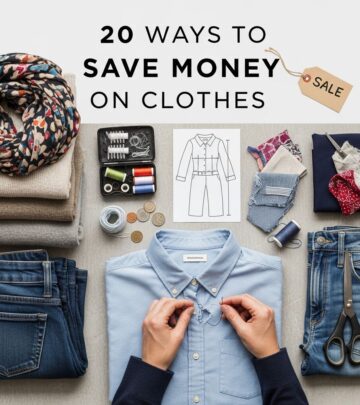
Improve Your Personal Style: 8 Budget-Friendly Steps
Learn how to define, refine, and elevate your personal style without overspending or going into debt.

You can look polished, confident, and stylish without draining your bank account or going into debt. Building a clear personal style is less about buying new pieces and more about making intentional choices with the clothes and accessories you already own.
This guide walks you through how to define your style, shop your own closet, plan outfits, and spend wisely so you can feel great about your look and your finances at the same time.
Why Improving Your Style Does Not Require Overspending
Many people assume that having great style means constantly buying new clothes, following every trend, or shopping at expensive stores. In reality, a well-defined personal style comes from understanding what works for you and using your budget strategically.
- You can build dozens of outfits from a small, thoughtful wardrobe.
- Most people regularly wear only a fraction of what they own.
- Intentional shopping often leads to fewer, higher-impact purchases.
Keeping your clothing and style budget under control supports your broader financial goals like saving, investing, and paying off debt, which are key to long-term financial stability according to consumer financial education guidance from organizations such as the Consumer Financial Protection Bureau.
Step 1: Clarify Your Personal Style Vision
Before you spend a single dollar, get clear on what your style looks and feels like. This saves you from impulse buying and helps you build a wardrobe that genuinely fits your lifestyle.
Identify How You Want To Show Up
Think about the image you want to project in different areas of your life: work, social events, casual days, and special occasions.
- Do you prefer a classic, timeless look or something bold and trend-driven?
- Are you drawn to minimal outfits or layered, textured styles?
- What colors make you feel confident and energized?
Write a short style statement, for example: “Polished, comfortable, and feminine with neutral tones and clean lines” or “Bold, creative, and casual with bright colors and fun accessories.” This becomes your filter for every future purchase.
Create A Budget-Friendly Inspiration Board
You do not need to buy everything you see on social media to upgrade your style. Instead, use these tools as inspiration:
- Screenshot outfits you love from social media or lookbooks.
- Save images in a digital folder or create a free online mood board.
- Look for repeating themes: similar colors, silhouettes, or pieces.
Use this board to guide how you combine what you already own and to identify a short list of gaps in your wardrobe.
Step 2: Shop Your Closet First
One of the most budget-friendly ways to improve your style is to start with your current wardrobe. Research on clothing use shows that many garments are worn far less than their potential life span, which has both financial and environmental implications.
Do A Practical Wardrobe Audit
Pull items out of your closet and dresser, and evaluate each piece honestly. Create simple piles:
- Love & wear often: These pieces fit well, feel good, and align with your current style vision.
- Sometimes wear: Good potential, but may need tailoring, styling ideas, or better pairings.
- Never wear: Wrong fit, damaged, or no longer your taste.
Ask yourself for each item:
- Does this fit me right now without discomfort?
- Can I create at least two outfits with it?
- Would I buy this again today?
Pieces you never wear can be:
- Sold on resale platforms to generate extra cash for wardrobe upgrades.
- Donated to local charities or clothing drives.
- Repurposed (for example, turning a long dress into a skirt with tailoring).
Organize What You Own
A key part of improving your style is being able to see what you have. Studies on decision-making suggest that clutter and too many options can increase mental fatigue and reduce satisfaction.
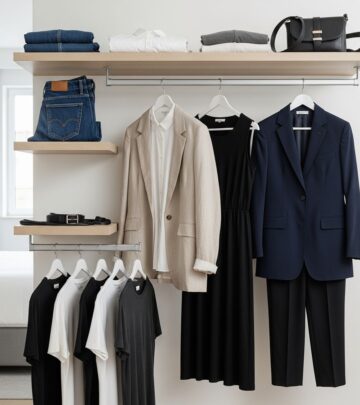
- Group similar items together: all jeans, all blouses, all blazers, etc.
- Arrange by color to make outfit planning easier.
- Store seasonal items separately so your daily choices feel more streamlined.
Once your wardrobe is organized, you may realize you have more style options than you thought.
Step 3: Define Your Everyday Style Uniforms
A style “uniform” is a repeatable outfit formula that works for your lifestyle and body type. Having a few go-to uniforms saves time, reduces decision fatigue, and keeps your look consistent.
Build Outfit Formulas From Your Favorites
Look at the clothes you love and wear most often. Identify patterns:
- Maybe you frequently wear high-waisted jeans, a tucked-in tee, and a blazer.
- Or you lean toward midi dresses with a belt and low heels.
- For work, you might prefer tailored trousers, a simple blouse, and loafers.
Turn these into simple formulas:
| Occasion | Uniform Formula | Example Pieces |
|---|---|---|
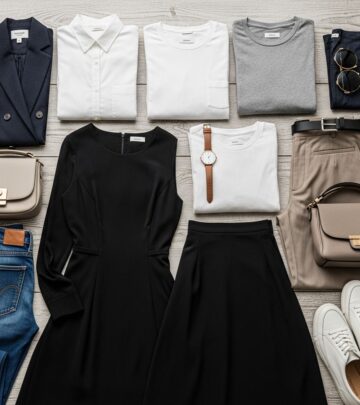
| Work | Tailored bottom + neutral top + structured layer | Black trousers, white blouse, navy blazer |
| Casual | Comfortable denim + easy top + sneakers/flat | Straight-leg jeans, striped tee, white sneakers |
| Evening | Statement piece + simple base + minimal jewelry | Printed dress, black heels, gold earrings |
These formulas help you put together outfits quickly using what you already own.
Use Accessories To Elevate Simple Looks
Accessories are often more affordable than clothing and can dramatically change the feel of an outfit.
- Add a belt to define your waist over dresses or oversized tops.
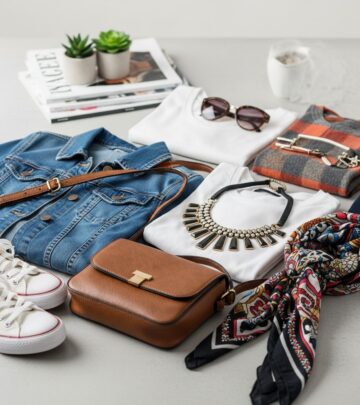
- Use scarves to add color and texture to neutral outfits.
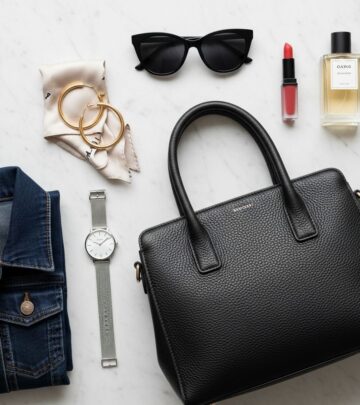
- Rotate jewelry—earrings, bracelets, and necklaces—to refresh repeated looks.
- Swap bags and shoes to go from casual to more polished quickly.
By focusing on accessories, you can maximize your existing wardrobe while keeping spending low.
Step 4: Create A Simple Wardrobe Plan
A clear wardrobe plan helps you avoid random purchases and build a closet where most pieces work together. This approach is similar to building a “capsule wardrobe,” which emphasizes versatile items that can be combined in many ways.
Identify Your Core Pieces
Core pieces are items you reach for repeatedly and that form the base of most outfits. Depending on your lifestyle, these may include:
- Well-fitting jeans in a wash that suits your style.
- Neutral tops (t-shirts, blouses, or knitwear) that pair with multiple bottoms.
- A structured blazer or jacket that works for both work and casual wear.
- Comfortable shoes appropriate for your daily activities.
List what you already own in each category and note what is missing or needs replacing due to wear and tear.
Choose A Simple Color Palette
Choosing a limited color palette maximizes mix-and-match potential and keeps your style cohesive.
- Pick 2–3 base neutrals (such as black, navy, gray, beige, or white).
- Add 2–3 accent colors that you love and that suit your skin tone.
- Use prints that combine your chosen colors for easy coordination.
When you shop, prioritize items within this palette so that new pieces integrate seamlessly into your existing wardrobe.
Step 5: Set A Style Budget That Protects Your Finances
Improving your personal style is most powerful when it aligns with your overall financial goals. A structured budget for clothing and personal appearance ensures you upgrade your wardrobe without sacrificing essentials like savings, emergency funds, or debt payments.
Decide How Much You Can Afford
Many personal finance educators recommend prioritizing necessities, savings, and debt repayment before discretionary categories like clothing. After covering these, you can allocate a reasonable monthly amount for style.
- Review your income and fixed expenses.
- Determine how much is left for discretionary spending.
- Set a monthly clothing budget that fits comfortably within that amount.
Your clothing budget can be flexible. Some months you may spend nothing, and other months you may save up for a larger, planned purchase.
Use A Simple Spending Plan For Clothing
To stay organized, track your style-related expenses in a separate category within your overall budget. According to guidance on budgeting and cash-flow management, tracking categories helps you make more intentional spending decisions.
- Keep a small list of wardrobe priorities for the next 3–6 months.
- Plan purchases around sales seasons, but only for items already on your list.
- Avoid using credit cards for clothing unless you can pay the balance in full.
Step 6: Shop Intentionally And Smart
Once you know your style, have audited your closet, and set a budget, you can shop strategically. The goal is to fill genuine gaps instead of chasing every trend.
Create A Short, Specific Shopping List
Based on your wardrobe plan, write down the exact items that will make the biggest difference:
- “Black ankle-length trousers for work” instead of “work pants.”
- “White leather sneakers” instead of “new shoes.”
- “Neutral cardigan to layer over dresses” instead of “sweaters.”
Bring this list with you when shopping, whether in-store or online, and stick to it as much as possible.
Use Budget-Friendly Shopping Strategies
There are many ways to upgrade your style for less:
- Thrift and consignment stores: Often carry quality pieces at a fraction of the original price.
- Resale apps: Allow you to buy and sell pre-loved items, turning unused clothes into budget for new-to-you pieces.
- Sales and clearance: Shop with a list so discounts are a bonus, not the reason for buying.
- Tailoring: Altering an item you already own or bought secondhand is often more cost-effective than buying new.
When shopping on a budget, focus on cost-per-wear rather than just the price tag. A slightly higher-priced item that you wear weekly can be more economical than a cheap item you wear once.
Step 7: Build Confidence In Your Style Without Overspending
Personal style is not only about clothes; it is also about confidence, posture, grooming, and how you carry yourself. Many of these elements are either free or low-cost, yet they elevate every outfit.
Maintain Simple, Consistent Grooming Habits
Basic grooming can make even simple outfits look intentional and polished.
- Keep nails clean and trimmed.
- Care for your hair with a style that you can maintain regularly.
- Make sure clothes are clean, ironed or steamed, and in good repair.
- Check for missing buttons, loose threads, or fading and address them promptly.
These habits usually cost little but make a big difference in how you feel in your clothes.
Practice Styling What You Own
Set aside time to try on combinations you have not worn before:
- Pair different bottoms with your favorite tops.
- Layer pieces in new ways, such as adding a shirt under a dress or a sweater over a dress.
- Test how different shoes and accessories change the mood of an outfit.
Take photos of outfits you like so you can easily recreate them when you are in a hurry.
Step 8: Maintain Your Style And Budget Over Time
Improving your personal style is an ongoing process, not a one-time project. To keep your wardrobe and finances aligned, review both periodically.
Review Your Wardrobe Seasonally
At the start of each season:
- Rotate appropriate clothing into the front of your closet.
- Evaluate what you did not wear last season and why.
- Update your shopping list based on upcoming weather and events.
This practice helps avoid last-minute panic buys and makes sure your wardrobe stays relevant to your life.
Check In With Your Budget Regularly
Set a recurring reminder to review your clothing and style spending. Research on financial habits shows that regularly monitoring your spending is associated with better money management and lower financial stress.
- Compare what you planned to spend with what you actually spent.
- Adjust your budget if your income or priorities change.
- Celebrate months where you used creativity instead of purchases to refresh your style.
Frequently Asked Questions (FAQs)
Q: How can I improve my style if I have almost no budget?
A: Focus on what you already own: organize your closet, define a few outfit formulas, practice mixing and matching, and use grooming and posture to elevate your look. Only consider buying items after you have maximized your current wardrobe.
Q: How often should I buy new clothes when I am trying to save money?
A: There is no fixed rule, but many people benefit from limiting clothing purchases to planned, seasonal updates or specific needs rather than monthly shopping. Prioritize your savings, emergency fund, and debt payments first, then use a set clothing budget for carefully chosen items.
Q: Are trends important for having good style?
A: Trends can be fun, but they are not essential. A strong personal style is built on pieces that fit well, suit your body and lifestyle, and align with your color palette. If you enjoy trends, incorporate them through small, affordable items like accessories rather than overhauling your entire wardrobe.
Q: How do I know which clothes to let go of?
A: Let go of items that do not fit, are uncomfortable, do not align with your current style, or have not been worn for a long time without a good reason. If you would not buy an item again today, it is a strong sign that it no longer belongs in your wardrobe.
Q: Is it worth tailoring clothes on a tight budget?
A: Yes, tailoring can be a smart investment, especially for quality pieces like blazers, trousers, or dresses. A small adjustment can turn an average item into a favorite and often costs less than buying something new.
References
- Start Small, Save Up — Consumer Financial Protection Bureau. 2021-06-01. https://www.consumerfinance.gov/consumer-tools/save-and-invest/
- A New Textiles Economy: Redesigning Fashion’s Future — Ellen MacArthur Foundation. 2017-11-28. https://ellenmacarthurfoundation.org/a-new-textiles-economy
- Clutter, Confusion, and Resistance to Change — Association for Psychological Science (APS). 2017-04-01. https://www.psychologicalscience.org/news/minds-business/clutter-confusion-and-resistance-to-change.html
- Capsule Wardrobe: A Sustainable Fashion Strategy — University of Leeds Sustainable Fashion. 2020-09-15. https://sustainable-fashion.leeds.ac.uk/capsule-wardrobe/
- Financial Well-Being in America — Consumer Financial Protection Bureau. 2017-09-26. https://www.consumerfinance.gov/data-research/research-reports/financial-well-being-america/
Similar Articles








Read full bio of medha deb