Upcycling Clothes: Free Wardrobe Makeover With Easy Projects
Transform your old clothes into stylish new pieces without spending a dime—save money and reduce waste today.
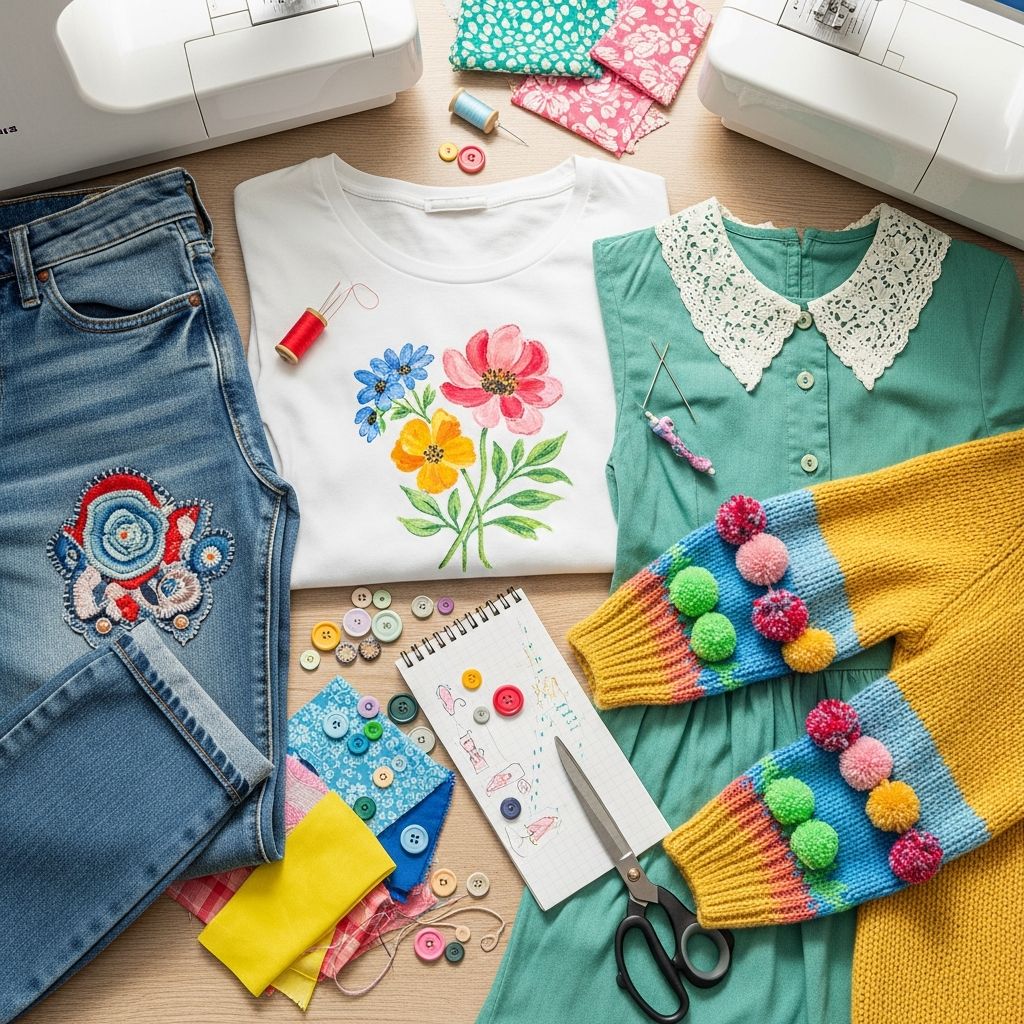
Upcycling clothes is one of the most budget-friendly and eco-conscious ways to refresh your style. Instead of buying new outfits, transform what you already own into fresh looks. This approach not only saves money but also combats the massive textile waste problem, where billions of pounds of clothing end up in landfills annually. By learning simple techniques, anyone can give their wardrobe a makeover without advanced sewing skills.
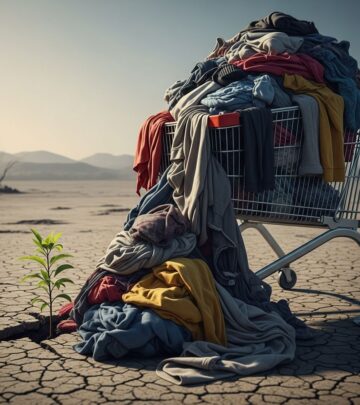
The fashion industry produces staggering amounts of waste. According to reports, much of donated clothing from thrift stores contributes to global textile landfills. Upcycling keeps garments in circulation longer, reducing environmental impact while creating unique, personalized pieces that stand out from mass-produced trends.
What Is Upcycling?
Upcycling means taking old or worn clothes and turning them into something of higher value or style, rather than throwing them away. Unlike recycling, which breaks items down, upcycling elevates them—think turning a baggy T-shirt into a fitted crop top or a stained pair of jeans into trendy shorts. It’s sustainable fashion at its core, promoting creativity and cost savings.
Beginners can start with no-sew methods using scissors, fabric glue, or safety pins. More advanced projects involve basic sewing, but free resources like library makerspaces make it accessible. Upcycling fosters individuality: curate pieces that reflect your style without following fleeting trends.
Why Upcycle Your Clothes?
- Save Money: Refresh your closet for free instead of shopping sales or fast fashion sites.
- Reduce Waste: Extend clothing life amid a crisis where thrift donations often landfill.
- Boost Creativity: Experiment with designs for one-of-a-kind outfits.
- Sustainable Living: Lower your carbon footprint by reusing textiles.
- Skill-Building: Learn alterations that fit your body perfectly.
Communities worldwide embrace upcycling through swaps, workshops, and DIY events, proving it’s a practical solution for modern wardrobes.
Easy No-Sew Upcycling Ideas
Start simple—no machine required. These hacks take minutes and yield professional results.
1. T-Shirt Crop Top
Cut above the waistline for an instant trendy top. For stability, fold and tie the bottom hem into a knot. Pair with high-waisted pants for a flattering silhouette.
2. Denim Shorts from Old Jeans
Chop legs at desired length, fray edges with sandpaper. Distress knees for vintage vibe—perfect summer staple.
3. Headband or Scrunchie from Fabric Scraps
Roll strips into tubes, secure with elastic. Eco-friendly accessories from leftovers.
4. Layered Tank from Multiple Tees
Layer and cut varying lengths for a ruffle effect. Pin or glue layers together.
These projects prove upcycling needs minimal tools. Local libraries often provide free sewing machines and supplies.
Sewing Projects for Beginners
Once comfortable, try stitches. Garrett demonstrates accessible refashions without expert skills.
| Project | Materials | Skill Level | Time |
|---|---|---|---|
| Pocket Tee to Tote Bag | Old T-shirt, thread | Beginner | 30 min |
| Button-Up to Skirt | Shirt, elastic | Beginner | 1 hour |
| Sweatshirt Raglan | Sweater, jersey knit | Intermediate | 2 hours |
| Leggings from Tights/PJs | Stretch fabric, waistband | Beginner | 45 min |
Step-by-Step: Pocket Tee Tote
- Lay T-shirt flat, cut off sleeves and neckline.
- Seam side under arms for bag shape.
- Turn inside out, sew bottom closed.
- Reinforce handles—sturdy market bag ready.
Practice on scraps. YouTube tutorials abound for visuals.
Advanced Refashion Techniques
Elevate skills with tailoring. Alter for fit: shorten hems, cinch waists, reshape busts. Seamstresses transform boxy blazers into hourglass fits or maxis into minis.
- Visible Mending: Embroider patches over holes—artistic repairs.
- Hybrid Garments: Combine fabrics, e.g., add lace to jeans.
- Pattern Duplication: Trace favorites to remake endlessly.
Innovate: too-small tops become cropped layers; long pants get practical hems. Clothes fit you, not sizes.
Tools and Supplies You’ll Need
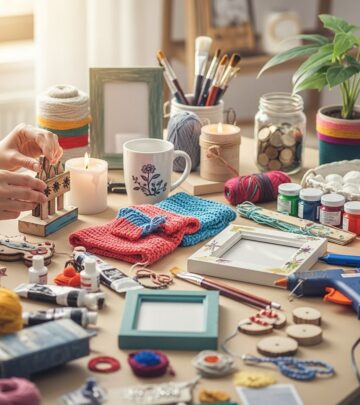
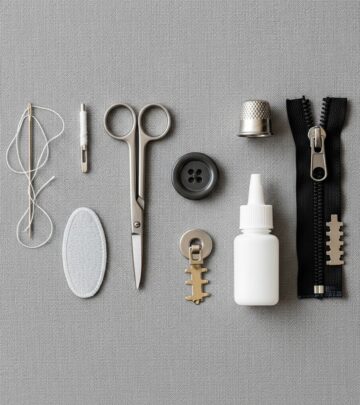
- Scissors (fabric shears ideal)
- Measuring tape
- Thread/needles or fabric glue
- Sewing machine (library access)
- Iron for crisp edges
- Chalk for marking
Affordable sources: thrift scraps, ReCreative-style shops. Free workshops teach techniques.
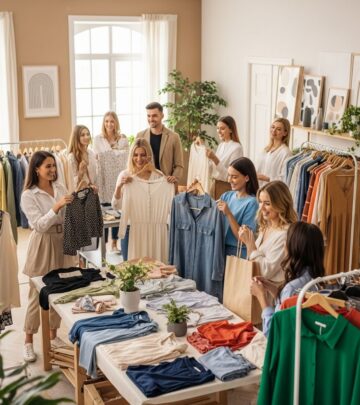
Clothing Swaps and Community Events
Join swaps: bring unworn items, leave with new-to-you pieces. Events cycle thousands of garments, preventing landfills. Host at home or attend markets—equal pricing democratizes access.
Workshops like Stitch ‘n’ Bitch offer mending sessions with supplies. Collaborate with upcyclers for custom pieces.
Caring for Upcycled Clothes
Prolong life: wash cold inside-out, air dry. Proper care maximizes wear.
Frequently Asked Questions (FAQs)
What if I can’t sew?
No-sew hacks like cutting and tying work great. Use glue for hems.
Where to learn more?
YouTube, library ideaLABs, or local swaps. Start small.
Is upcycling really sustainable?
Yes—reuses textiles, cuts production needs versus new buys.
Can I sell upcycled items?
Absolutely; many turn hobbies into side gigs via markets.
What about kids’ clothes?
Upcycle family hand-me-downs—patch, shorten for growth spurts.
Final Tips to Get Started
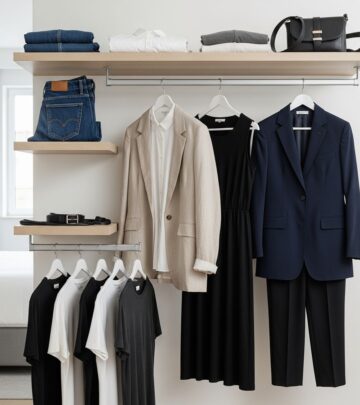
Inventory wardrobe: mend loved items, upcycle unloved ones. Borrow for events, buy secondhand. Intentionality breeds sustainability—get hands dirty for standout style.
References
- Textile Waste from Clothing Production — U.S. Environmental Protection Agency. 2024-05-15. https://www.epa.gov/facts-and-figures-about-materials-waste-and-recycling/textiles-material-specific-data
- Denver Clothing Upcyclers Make Fashion Sustainable — Westword. 2023-10-12. https://www.westword.com/arts-culture/denver-clothing-upcyclers-make-the-citys-fashion-more-sustainable-23737550/
- Sustainable Fashion and Upcycling Guidelines — United Nations Environment Programme. 2024-02-20. https://www.unep.org/resources/report/sustainability-and-circularity-fashion
- Upcycling and Altering Wardrobes — Cosmopolitan UK. 2022-09-15. https://www.cosmopolitan.com/uk/fashion/style/a35766242/upcycling-altering-clothes-new-wardrobe/
- Wardrobe Refashioning Projects — The Penny Hoarder. 2023-08-10. https://www.thepennyhoarder.com/make-money/side-gigs/how-to-refashion-clothes-sewing-projects/
Similar Articles








Read full bio of medha deb