Unsubsidized Student Loans: Smart Choice or Costly Mistake?
Explore the pros, cons, and strategies for deciding if unsubsidized student loans fit your financial plan for higher education.

Federal unsubsidized student loans provide essential funding for college without income restrictions, but their immediate interest accrual can lead to higher long-term costs. This guide breaks down eligibility, comparisons with subsidized loans, financial impacts, and decision-making strategies to help you borrow responsibly.
Understanding Federal Student Loan Basics
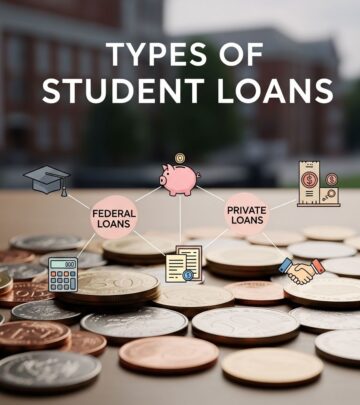
Federal Direct Loans, offered through the U.S. Department of Education, include two primary types: subsidized and unsubsidized. These loans help cover tuition, books, housing, and other education expenses after grants and scholarships. Unlike private loans, federal options feature fixed interest rates set annually by Congress, no credit checks for most borrowers, and robust repayment protections.
Subsidized loans target undergraduates with demonstrated financial need, where the government covers interest during enrollment, grace periods, and deferments. Unsubsidized loans, however, start charging interest from disbursement day, making borrowers fully responsible regardless of school status.
Key Features of Unsubsidized Loans
Unsubsidized loans stand out for their accessibility. They are available to undergraduates, graduates, and professional students without proving financial hardship. To qualify, file the Free Application for Federal Student Aid (FAFSA), enroll at least half-time, be a U.S. citizen or eligible noncitizen, maintain satisfactory academic progress, and have no prior loan defaults.
- Borrowing Limits: Dependents up to $31,000 total (combined subsidized/unsubsidized); independents up to $57,500; graduates/professionals up to $138,500.
- Interest Rates: Fixed at 6.53% for undergraduates (2024-2025); higher for graduates.
- Disbursement: Funds go directly to your school; excess refunded for other costs.
Interest accrues daily from the first disbursement. You can pay it while in school to avoid capitalization—where unpaid interest adds to principal, ballooning future payments—or let it accumulate until repayment begins.
Subsidized vs. Unsubsidized: A Side-by-Side Comparison
| Feature | Direct Subsidized Loans | Direct Unsubsidized Loans |
|---|---|---|
| Eligibility | Undergraduates with financial need | All undergrads, grads, professionals; no need requirement |
| Interest During School/Grace | Government pays | Borrower pays (accrues immediately) |
| Aggregate Limits (Dependents) | $23,000 | $31,000 total |
| Pros | Lower cost; no growth in school | Higher limits; wider access |
| Cons | Limited availability | Higher total repayment due to interest |
This table highlights why subsidized loans save money upfront, but unsubsidized fill gaps for broader needs.
The Real Cost of Interest Accrual
Interest on unsubsidized loans compounds quickly if ignored. For a $2,500 first-year loan at 6.53%, four years of accrual (no payments) adds about $653 to the balance before grace ends. Capitalization then generates interest on the new total, potentially doubling costs over a decade.
Consider this scenario:
- Subsidized $3,500: Balance remains $3,500 after four years.
- Unsubsidized $2,500: Grows to $3,153 ($2,500 principal + $653 interest).
Paying just interest in school—around $13/month for $2,500—prevents this growth, saving thousands long-term.
Advantages That Make Unsubsidized Loans Appealing
Despite costs, unsubsidized loans offer compelling benefits:
- No Need Test: Qualify based on enrollment, not family income.
- Higher Amounts: Bridge funding shortfalls after maxing subsidized aid.
- Federal Perks: Income-driven repayment, deferment, forbearance, Public Service Loan Forgiveness eligibility.
- Lower Rates: Often beat private loans (8-15% variable).
Grad students rely heavily on these, as subsidized options end at undergrad level.
Potential Drawbacks and Risks
Unsubsidized loans aren’t ideal for everyone. Immediate interest raises totals—e.g., a $20,000 loan could exceed $30,000 by repayment start if unpaid. Limits might not cover full costs at expensive schools, pushing toward pricier private loans. Always calculate total debt against post-grad earnings.
Unsubsidized Loans vs. Private Alternatives
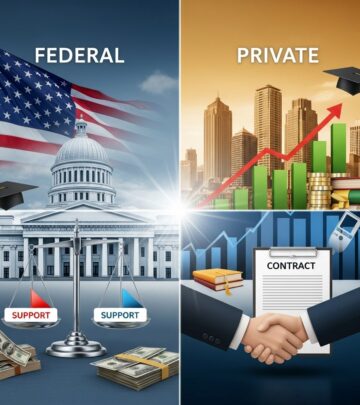
Private loans from banks require credit checks, cosigners, and offer variable rates without federal safeguards. Unsubsidized federal loans provide fixed rates, flexible plans, and forgiveness paths—superior for most.
| Aspect | Federal Unsubsidized | Private Loans |
|---|---|---|
| Interest Rate | Fixed (e.g., 6.53%) | Variable/Fixed (credit-based) |
| Credit Check | No | Yes, often cosigner needed |
| Repayment Options | Income-driven, forgiveness | Limited |
Exhaust federal aid first; private only as last resort.
Strategic Tips for Managing Unsubsidized Debt
- Max Subsidized First: Accept all offered to minimize costs.
- Pay Interest Early: Avoid capitalization with small payments.
- Borrow Minimally: Use school cost of attendance as cap.
- Seek Free Aid: Prioritize grants, scholarships, work-study.
- Plan Repayment: Use federal simulator tools for projections.
These steps can cut lifetime costs by 20-50%.
When Should You Consider Unsubsidized Loans?
Opt in if subsidized aid falls short, you’re a grad student, or private rates are unaffordable. Avoid if you can cover gaps via savings, part-time work, or cheaper schools. Run numbers: if projected salary supports payments (debt-to-income under 10%), proceed cautiously.
Frequently Asked Questions (FAQs)
Do unsubsidized loans require a credit check?
No, unlike private loans. Eligibility ties to FAFSA and enrollment.
Can I pay interest while in school?
Yes, recommended to prevent added principal.
What’s the grace period for unsubsidized loans?
Six months post-enrollment, but interest accrues throughout.
Are unsubsidized loans forgivable?
Yes, via programs like PSLF if qualifying.
How do rates compare year-to-year?
Set by Congress; 2024-2025 undergrad rate: 6.53%.
Building a Debt-Free Path Forward
Weigh unsubsidized loans against your financial future. Their flexibility beats private options, but disciplined use—paying interest early, borrowing less—is key to affordability. Consult your financial aid office and use official calculators for personalized advice.
References
- Subsidized vs. Unsubsidized Student Loans — Ascent Funding. 2024. https://www.ascentfunding.com/blog/subsidized-vs-unsubsidized-loans/
- What Is an Unsubsidized Student Loan? — Saving for College. 2024. https://www.savingforcollege.com/article/what-is-an-unsubsidized-student-loan
- Should I Take Out Unsubsidized Student Loans? — Experian. 2024. https://www.experian.com/blogs/ask-experian/should-i-take-out-unsubsidized-student-loans/
- Subsidized vs. Unsubsidized Loans — Bankrate. 2024. https://www.bankrate.com/loans/student-loans/subsidized-vs-unsubsidized-student-loans/
- Top 4 Questions: Direct Subsidized Loans vs. Direct Unsubsidized Loans — Federal Student Aid (studentaid.gov). 2024. https://studentaid.gov/articles/subsidized-vs-unsubsidized-loans/
Similar Articles








Read full bio of Sneha Tete