Unsecured Personal Loans: What To Know And How They Work
Discover how unsecured personal loans provide flexible funding without collateral, their benefits, risks, and application tips for smart borrowing.

Unsecured personal loans offer borrowers a way to access funds without pledging assets like homes or vehicles as security. Lenders approve these based primarily on credit history, income stability, and overall financial profile, providing a lump sum repaid through fixed monthly payments.
Core Mechanics of Unsecured Borrowing
These loans function as installment products where approval leads to a one-time disbursement of the full amount. Repayment occurs over a predetermined term, often spanning 24 to 60 months, with each payment covering both principal and interest at a fixed rate. This structure ensures payment predictability, unlike revolving credit options such as credit cards.
Approval hinges on factors including credit scores typically above 670 for favorable terms, debt-to-income ratios under 36%, and verifiable employment or income sources. Without collateral, lenders mitigate risk through higher interest rates, which can range from 6% to 36% APR depending on borrower qualifications.
Everyday Applications and Funding Flexibility
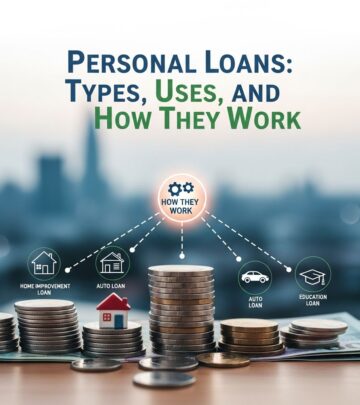
Borrowers utilize these loans for diverse needs due to their unrestricted use. Common purposes include merging high-interest debts into a single lower-rate obligation, funding home upgrades without home equity requirements, covering medical bills, or financing events like weddings.
- Debt Management: Consolidate credit card balances or other loans to simplify payments and potentially reduce total interest costs.
- Home Projects: Renovate kitchens, repair roofs, or install energy-efficient systems without securing against property.
- Health Costs: Address unexpected procedures or therapies not fully covered by insurance.
- Life Milestones: Support education, travel, or family celebrations with structured financing.
- Urgent Needs: Bridge cash flow gaps from job loss or vehicle breakdowns.
Key Advantages for Qualified Borrowers
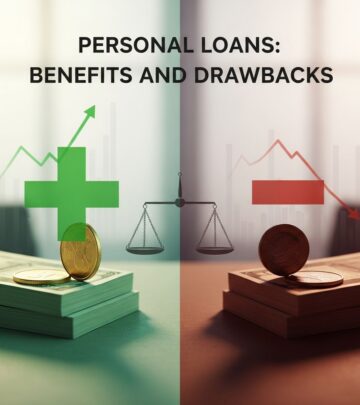
The absence of collateral stands out as a primary benefit, preserving personal assets from repossession risks in case of default. Processing tends to be swift, often funding within days of approval, as no asset appraisals are necessary. For individuals with strong credit profiles, rates can compete favorably with other unsecured options, and the fixed terms aid budgeting.
| Advantage | Description |
|---|---|
| No Asset Pledge | Avoid risking property ownership; approval based on financial reliability alone. |
| Rapid Funding | Funds often available in 1-3 business days post-approval. |
| Budget-Friendly | Fixed payments enable precise monthly planning. |
| Versatile Use | No restrictions on how funds are spent, unlike specialized loans. |
Potential Drawbacks and Risk Factors
Higher interest burdens compared to secured alternatives reflect the elevated lender risk. Stricter eligibility often excludes those with fair or poor credit, potentially leading to denials or unfavorable terms. Defaulting damages credit scores significantly, as payments are reported to major bureaus, and lenders may pursue collections or legal action.
| Drawback | Impact |
|---|---|
| Elevated Rates | APRs up to 36% for subprime borrowers increase total repayment. |
| Credit Demands | Requires good scores (670+); alternatives needed for lower profiles. |
| Default Penalties | Credit harm, fees, and collection efforts without asset recovery buffer. |
Navigating the Application Journey
Begin by assessing personal finances: calculate debt-to-income ratio (monthly debts divided by gross income), review free credit reports annually from AnnualCreditReport.com, and compare lender offers via prequalification tools that avoid hard inquiries. Gather documents like pay stubs, tax returns, and ID proofs upfront.
- Prequalify Online: Use lender platforms for soft credit checks to gauge rates without score impact.
- Compare Offers: Evaluate APRs, fees (origination 1-8%), terms, and customer reviews across banks, credit unions, and online providers.
- Submit Formal Application: Provide detailed financial info; expect a hard credit pull.
- Review Terms: Scrutinize the loan agreement for total costs, autopay discounts, and prepayment policies.
- Accept and Receive Funds: E-sign documents; funds deposit directly.
Secured vs. Unsecured: A Strategic Comparison
Secured loans tie funding to assets like savings accounts, vehicles, or homes, yielding lower rates (3-10% APR) but with repossession threats. Unsecured options prioritize speed and asset protection, suiting those unwilling to collateralize valuables. Credit unions may blend types, securing against internal accounts selectively.
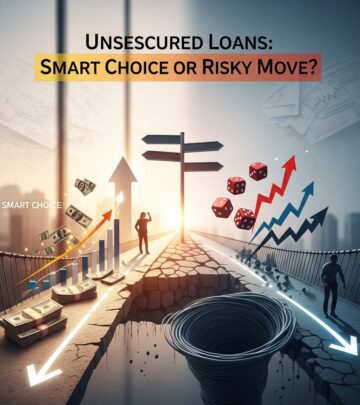
Choose unsecured if asset preservation is key and credit supports competitive rates; opt for secured to access lower costs or qualify with weaker profiles.
Optimizing Approval Odds
Strengthen applications by paying down debts to lower utilization below 30%, disputing credit report errors, and adding positive history via secured cards if needed. Joint applications with co-signers can bolster weak profiles, sharing repayment duty. Credit unions often extend more lenient terms to members.
Long-Term Financial Impacts
Responsible use can elevate credit scores through on-time payments and reduced credit card reliance. However, overborrowing strains budgets; aim for loans under 36% of take-home pay. Prepayment options without penalties allow early principal reduction, saving interest.
Frequently Asked Questions
Can I get an unsecured loan with bad credit?
Possible but challenging; expect high rates or smaller amounts. Alternatives like secured loans or credit-builder options may suit better.
How fast do unsecured loans fund?
Typically 1-7 days after approval, faster than secured due to no appraisals.
Are origination fees common?
Yes, 1-8% of loan amount deducted upfront; factor into total cost calculations.
Does paying off early save money?
Often yes, if no prepayment penalties apply; check terms.
What credit score is needed?
670+ for best rates; 580+ may qualify at higher costs.
References
- Unsecured personal loans: how they work – Upstart Support — Upstart. 2024. https://upstarthelp.upstart.com/personal-loans/unsecured-personal-loans-how-they-work
- What to know about unsecured personal loans — OneMain Financial. 2024. https://www.onemainfinancial.com/resources/loan-basics/what-to-know-about-unsecured-personal-loans
- Unsecured Loans — Global Credit Union. 2024. https://www.globalcu.org/loans/personal-loans/Unsecured-Loans/
- What is an Unsecured Personal Loan? — Citi. 2024. https://www.citi.com/personal-loans/learning-center/basics/unsecured-personal-loan
- What Is An Unsecured Loan And How Do They Work? — Bankrate. 2024-03-18. https://www.bankrate.com/loans/personal-loans/unsecured-loans-definition/
Similar Articles








Read full bio of Sneha Tete