Unsecured Loans: Definition, Types, and How They Work
Complete guide to unsecured loans: understand types, benefits, risks, and qualification requirements.
Understanding Unsecured Loans
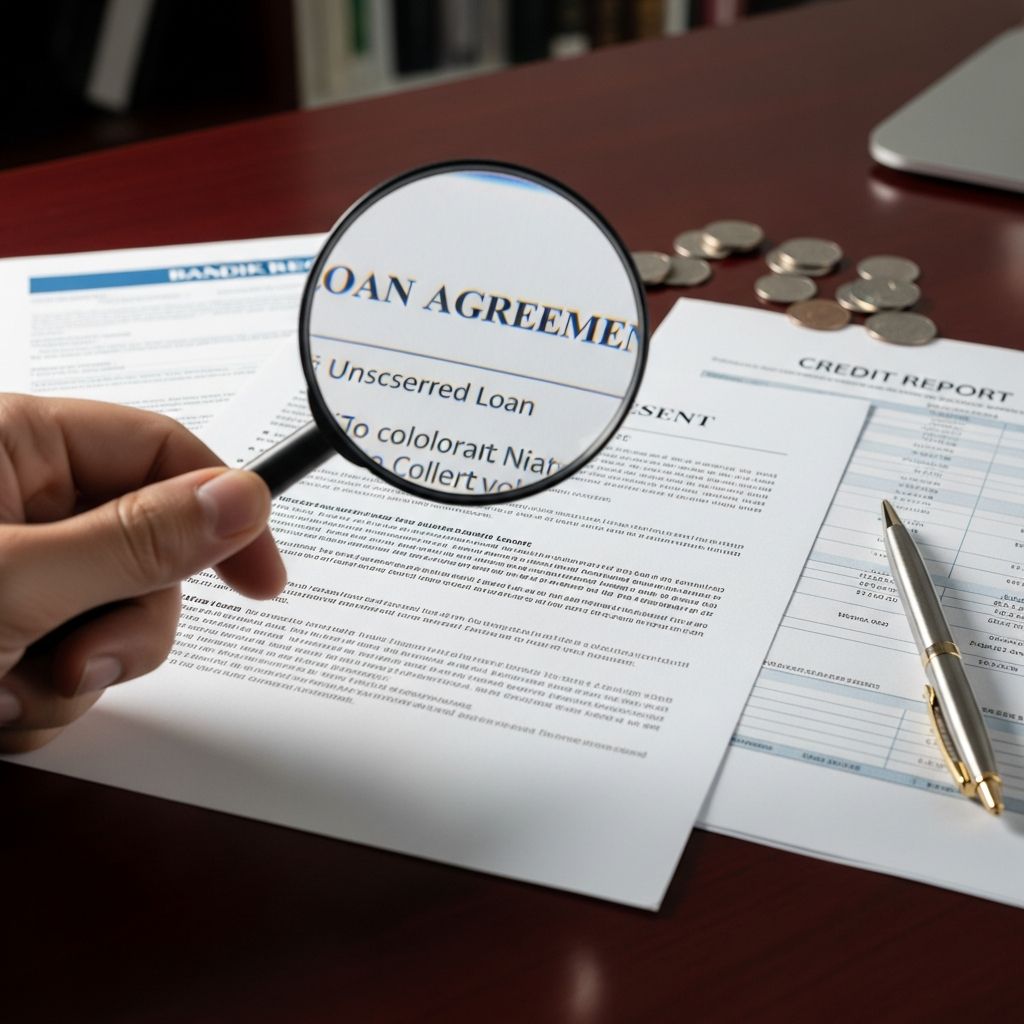
An unsecured loan is a type of debt product that does not require collateral to secure the borrowing arrangement. Unlike secured loans that are backed by physical assets such as homes, vehicles, or savings accounts, unsecured loans rely solely on the borrower’s creditworthiness and promise to repay. These loans are often referred to as signature loans because the borrower’s signature and personal commitment are typically all that’s needed to obtain the funds, provided they meet the lender’s specific borrowing requirements.
Unsecured loans have become increasingly popular among consumers seeking flexible financing options without the risk of losing their assets. They are offered by various financial institutions including banks, credit unions, and online lenders. The fundamental principle behind unsecured lending is that lenders assess the borrower’s ability and willingness to repay based on credit history, income stability, and overall financial profile rather than tangible collateral.
How Unsecured Loans Differ From Secured Loans
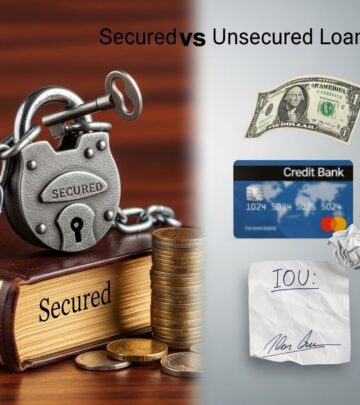
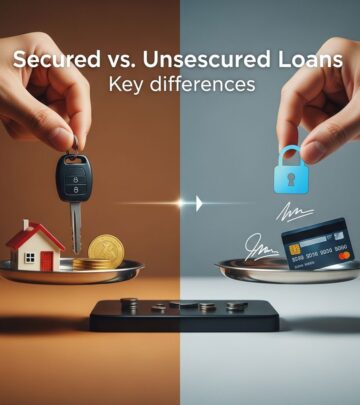
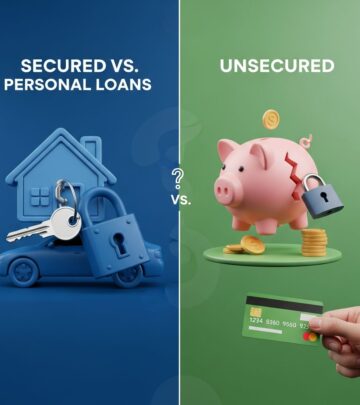
The primary distinction between unsecured and secured loans lies in the collateral requirement. Secured loans mandate that borrowers pledge an asset of value as insurance against default. If the borrower fails to repay, the lender has the legal right to seize and sell the collateral to recover their investment. This security significantly reduces the lender’s risk, which is why secured loans typically come with lower interest rates and more lenient credit requirements.
Unsecured loans operate on the opposite principle. Since there is no collateral backing the loan, lenders assume considerably more risk. To compensate for this increased exposure, lenders typically charge higher interest rates and impose stricter credit score requirements. The approval process for unsecured loans is often more rigorous, and borrowers may face lower borrowing limits compared to what they could obtain with a secured loan of similar terms.
Types of Unsecured Loans
Unsecured loans come in various formats to meet different financial needs and borrowing preferences. The most common types include:
Personal Loans
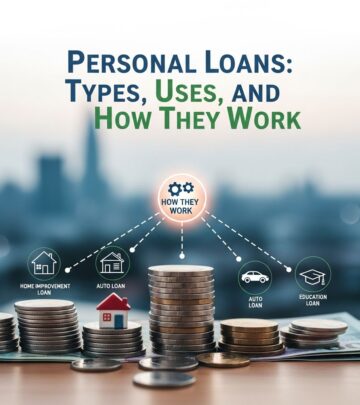
Personal loans are among the most flexible unsecured loan options available. These loans can be used for virtually any legal purpose, including debt consolidation, financing large purchases, funding home renovations, covering medical expenses, or managing unexpected emergencies. Some lenders offer specialized personal loans marketed for specific purposes, such as wedding loans, pet loans, or holiday loans. However, these are technically still unsecured personal loans with funds designated for particular uses. Personal loan interest rates are typically lower than credit card rates, making them an attractive option for borrowers seeking cost-effective financing.
Student Loans
Student loans represent another significant category of unsecured loans. These loans are specifically designed to help students finance their education, including tuition, books, and living expenses. Federal student loans and private student loans both fall into the unsecured category, though they may have different terms, interest rates, and repayment options.
Credit Cards
Credit cards function as revolving unsecured debt, allowing borrowers to access credit up to a predetermined limit and repay on a flexible schedule. Unlike installment loans that require fixed monthly payments over a set period, credit card debt can be managed with minimum payments, though carrying a balance typically results in substantial interest charges.
Key Characteristics of Unsecured Loans
Unsecured loans can be structured as either revolving debt or installment loans. Revolving debt, exemplified by credit cards, allows borrowers to draw funds repeatedly up to a credit limit and repay flexibly. Installment loans require borrowers to repay the total balance through fixed, equal monthly payments over a predetermined loan term. Most personal and student loans operate on the installment structure, providing predictability in payment amounts and loan duration.
Advantages of Unsecured Loans
Unsecured loans offer several significant benefits for qualified borrowers:
- No collateral required: Borrowers retain full ownership and control of their assets without risk of seizure.
- Fast access to funds: The application and approval process is often quicker than secured loans, allowing borrowers to access needed funds rapidly.
- No risk of asset loss: Even if the borrower defaults, lenders cannot seize personal property to satisfy the debt.
- Fewer borrowing restrictions: Unsecured loans can typically be used for a wide variety of purposes with minimal restrictions.
- Competitive rates for strong credit: Borrowers with excellent credit scores may qualify for highly competitive interest rates.
Disadvantages of Unsecured Loans
Despite their advantages, unsecured loans carry certain drawbacks that borrowers should carefully consider:
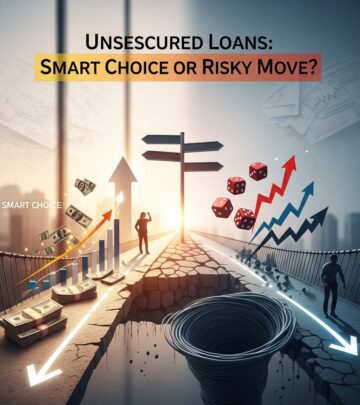
- Higher interest rates: To offset the increased risk, lenders charge substantially higher interest rates compared to secured loans.
- Stricter credit requirements: Qualifying for unsecured loans typically requires good to excellent credit scores.
- Lower borrowing limits: Borrowers with lower credit scores may face significantly reduced borrowing limits.
- More difficult approval process: Lenders conduct thorough credit and income verification, making approval harder to obtain.
- Fewer options than secured loans: The variety of unsecured loan products may be more limited than secured alternatives.
Qualification Requirements for Unsecured Loans
Lenders evaluate multiple factors when determining unsecured loan eligibility. Understanding these criteria helps borrowers prepare strong applications and qualify for favorable terms.
Credit History and Score
Your credit score is arguably the most critical factor in unsecured loan approval. Lenders use this three-digit number to assess your historical payment behavior and creditworthiness. A higher credit score demonstrates that you reliably repay debts on time and manage credit responsibly. Borrowers with excellent credit scores typically unlock more favorable loan terms, lower interest rates, and higher borrowing limits. Those with lower credit scores may face higher rates or approval denials entirely.
Income Stability
Lenders require evidence of reliable, stable income to confirm your ability to make monthly loan payments. You’ll typically need to provide recent pay stubs, tax returns, or other income documentation. Self-employed individuals may need to provide additional financial records. The lender’s fundamental concern is ensuring you have sufficient income to cover both the new loan payment and your existing financial obligations without defaulting.
Debt-to-Income Ratio
Your debt-to-income ratio (DTI) is calculated by dividing your total monthly debt payments by your gross monthly income. This metric reveals what percentage of your income is already committed to existing debts. Lenders use DTI to assess how much additional debt you can responsibly manage. A lower DTI is preferable, as it demonstrates you have sufficient income remaining after current obligations to handle new loan payments. Most lenders prefer DTI ratios below 43 percent, though this varies by institution.
Assets and Savings
Although unsecured loans don’t require collateral, lenders often want assurance that you have personal savings or assets. Demonstrating financial reserves suggests you can weather financial emergencies without defaulting on loan payments. Borrowers with substantial savings are viewed as lower-risk, potentially qualifying for better terms.
Uses for Unsecured Loans
The flexibility of unsecured loans makes them suitable for numerous purposes. Common applications include consolidating high-interest credit card debt into a single, lower-interest loan payment; financing home improvements or renovations; covering medical or dental expenses; funding education or professional development; managing emergency expenses; planning major life events like weddings; or making significant purchases. This versatility makes unsecured loans an attractive option for borrowers with diverse financial needs.
Comparison of Unsecured Loan Types
| Loan Type | Typical Use | Interest Rate Range | Repayment Structure | Credit Score Requirements |
|---|---|---|---|---|
| Personal Loans | Debt consolidation, purchases, emergencies | 6% – 36% | Fixed installments | Good to Excellent |
| Student Loans | Education expenses | 3% – 13% (varies by type) | Fixed or income-based | Varies; federal loans have lower requirements |
| Credit Cards | General purchases, revolving credit | 16% – 24%+ (average) | Minimum payment or full balance | Fair to Excellent |
Prequalification and Application Process
Many lenders now offer prequalification services that allow borrowers to check eligibility before submitting formal applications. Prequalification typically involves a soft credit inquiry that doesn’t negatively impact your credit score. This preliminary step helps borrowers understand what loan terms and amounts they might qualify for without the commitment of a full application. Once prequalified, formal applications require more detailed financial information and trigger a hard credit inquiry, which temporarily lowers your credit score by a few points.
Consequences of Default
Failure to make unsecured loan payments carries serious consequences. Missing payments damages your credit score, making it harder and more expensive to borrow in the future. Multiple missed payments can result in loan default, after which lenders may engage collection agencies to pursue repayment. In some cases, lenders pursue legal action against borrowers, potentially resulting in wage garnishment or bank account levies. Even after resolving a defaulted loan, the negative mark remains on your credit report for seven years, significantly impacting your creditworthiness.
Frequently Asked Questions
Q: What is the main difference between unsecured and secured loans?
A: Secured loans require collateral that lenders can seize if you default, resulting in lower interest rates. Unsecured loans have no collateral requirement but carry higher interest rates and stricter credit requirements.
Q: Can I get an unsecured loan with bad credit?
A: While possible, obtaining an unsecured loan with poor credit is challenging and expensive. You’ll likely face higher interest rates, lower borrowing limits, or potential denial. Alternative options include credit-building loans or secured loans.
Q: How quickly can I receive funds from an unsecured loan?
A: Many online lenders disburse funds within 1-3 business days after approval. Traditional banks may take 5-7 business days. Speed depends on the lender and application method.
Q: What is the typical interest rate for unsecured personal loans?
A: Interest rates typically range from 6% to 36%, depending on credit score, income, DTI, and lender policies. Borrowers with excellent credit qualify for lower rates.
Q: Can unsecured loans be used for any purpose?
A: Generally yes, for legal purposes. However, some lenders restrict use for certain activities like gambling or illegal substances. Student loans are restricted to education expenses.
Q: How does my credit score affect unsecured loan terms?
A: Higher credit scores unlock lower interest rates, higher borrowing limits, and faster approval. Lower scores result in higher rates, lower limits, or denial.
Q: What should I do if I can’t make my unsecured loan payment?
A: Contact your lender immediately to discuss options. Many lenders offer payment deferrals, loan modifications, or hardship programs. Avoiding communication worsens the situation.
References
- What Is An Unsecured Loan And How Do They Work? — Bankrate. 2024. https://www.bankrate.com/loans/personal-loans/unsecured-loans-definition/
- Federal Student Loan Basics — U.S. Department of Education. 2024. https://www2.ed.gov/
- Understanding Credit Reports and Scores — Consumer Financial Protection Bureau. 2024. https://www.consumerfinance.gov/
Similar Articles








Read full bio of medha deb