Unsecured Credit Cards: Benefits, Risks, And Smart Use
Discover how unsecured credit cards provide flexible borrowing without deposits, ideal for those with solid credit histories seeking rewards and perks.

Unsecured credit cards represent the standard form of credit card available to most consumers, providing access to a revolving line of credit without the need for any upfront deposit or collateral. These cards rely on the issuer’s assessment of your creditworthiness to determine approval, limits, and terms.
Understanding the Fundamentals of Unsecured Cards
At their core, unsecured credit cards function as open-ended accounts where users can borrow up to a set limit, repay portions or the full amount, and borrow again. Approval hinges on factors like credit score, income, debt levels, and payment history, allowing issuers to gauge repayment likelihood. Unlike secured alternatives, there’s no tied asset, making them riskier for providers but more convenient for users with proven financial responsibility.
Credit limits on these cards often range higher than secured versions, sometimes reaching thousands of dollars based on profile strength. Interest accrues on carried balances via the annual percentage rate (APR), which varies but tends lower for strong applicants.
Key Distinctions from Secured Credit Cards
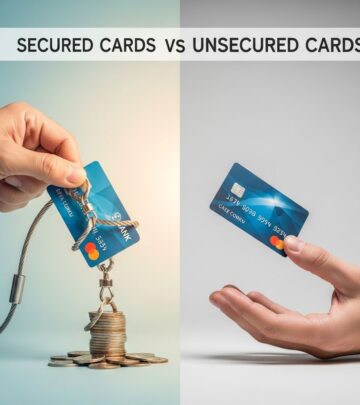
To grasp unsecured cards fully, compare them directly with secured ones, which demand a refundable deposit matching or influencing the credit limit. This table highlights core differences:
| Feature | Secured Credit Card | Unsecured Credit Card |
|---|---|---|
| Collateral Requirement | Yes, typically $200-$2,500 deposit | No deposit needed |
| Credit Limit Basis | Tied to deposit amount | Based on credit score, income, history |
| Typical APR Range | Often higher | Generally lower for good credit |
| Primary Users | New or rebuilding credit | Established credit profiles |
| Rewards Availability | Limited or none | Frequent cash back, points, perks |
This comparison shows unsecured cards suit those beyond initial credit-building stages, offering greater flexibility.
Advantages of Choosing Unsecured Credit Cards
Unsecured cards shine for eligible users through several benefits. First, the absence of a deposit frees up personal funds for other uses, unlike secured cards where cash is locked. Higher credit limits enable larger purchases or better cash flow management without immediate full repayment pressure.
- Competitive Rates: Qualified individuals access lower APRs, sometimes with 0% introductory offers on purchases or balances, reducing borrowing costs.
- Rich Rewards Programs: Many feature cash back on everyday spending, travel miles, or points redeemable for gifts, amplifying value on routine expenses.
- Enhanced Perks: Benefits like purchase protection, extended warranties, airport lounge access, or travel insurance add practical utility.
- Upgrade Potential: Responsible use can lead to limit increases or premium card transitions without new applications.
These features make unsecured cards a staple for everyday finance, business spending, or maximizing returns on purchases.
Potential Drawbacks and Risks
Despite strengths, unsecured cards aren’t ideal for everyone. Good to excellent credit is often required for prime terms; subprime options exist but carry steeper APRs and fees.
- Stricter Approval: Limited history or low scores reduce options and lead to conservative limits or denials.
- Fee Structures: Premium variants impose annual fees ($95-$550+), plus potential charges for late payments, cash advances, or foreign transactions.
- Overspending Temptation: Generous limits without deposit caps can foster debt if balances revolve with interest.
- Impact on Credit: High utilization or missed payments harm scores more severely due to higher issuer risk exposure.
Weighing these helps determine fit; those prone to carrying balances might prefer debit or secured paths initially.
Qualification Criteria and Application Insights
Issuers evaluate applications holistically. A FICO score above 670 typically unlocks favorable unsecured cards, alongside stable income exceeding expenses and low debt-to-income ratios under 36%. Recent positive payment trends and limited inquiries boost chances.
For fair credit (580-669), subprime unsecured cards exist, often from credit unions or specialists, though with caveats like elevated rates. Students or young adults may find starter unsecured options emphasizing future income potential.
Pre-qualification tools let users check eligibility sans hard inquiries, preserving scores during shopping.
Strategies for Optimal Unsecured Card Use
To leverage these cards effectively:
- Pay Balances Fully Monthly: Avoid interest entirely, treating the card as zero-cost financing while earning rewards.
- Keep Utilization Below 30%: Maintains strong credit scores; pay mid-cycle if needed.
- Select Matching Rewards: Align with spending habits—groceries for cash back, travel for miles.
- Monitor Statements: Catch errors early and track towards financial goals.
- Request Upgrades Periodically: After 6-12 months of good habits, seek higher limits sans new credit pull.
Business owners benefit similarly, deducting expenses while building corporate credit separate from personal.
Alternatives for Credit Newcomers
If unsecured approval proves elusive, consider bridges like secured cards, which report activity to bureaus aiding future unsecured transitions. Authorized user status on a trusted family member’s card offers indirect history building, visible on reports if issuer reports it.
Charge cards, requiring full monthly payoff, mimic unsecured perks without revolving balances. Credit-builder loans provide structured positive history sans spending temptation.
Frequently Asked Questions
Can I get an unsecured credit card with bad credit?
Yes, but options are limited to high-APR cards; focus on secured first for rebuilding.
Do unsecured cards build credit?
Absolutely—timely payments and low utilization positively impact scores.
What’s the average credit limit on an unsecured card?
Varies widely; $500-$5,000+ common based on profile strength.
Are there unsecured cards with no annual fee?
Many, especially entry-level or cash-back focused ones for good credit.
How do I convert a secured card to unsecured?
After responsible use (6-18 months), issuers often auto-upgrade or allow requests.
Navigating Unsecured Cards in Today’s Market
As of 2026, unsecured cards evolve with digital wallets, enhanced security like tokenization, and personalized rewards via AI analytics. Economic shifts influence APRs; monitor Federal Reserve trends for rate cues. Diversifying with 2-3 cards maximizes perks without overextending, always prioritizing debt avoidance.
For immigrants or non-traditional profiles, ITIN-based cards expand access. Pairing with budgeting apps ensures disciplined use, turning potential liabilities into assets.
References
- What Is an Unsecured Credit Card? — Experian. 2023. https://www.experian.com/blogs/ask-experian/what-is-unsecured-credit-card/
- Secured vs. Unsecured Credit Cards: What’s the Difference? — American Express. 2024-10-15. https://www.americanexpress.com/en-us/credit-cards/credit-intel/secured-vs-unsecured-credit-cards/
- Secured vs. Unsecured Credit Cards: How Do They Work? — Synchrony. 2024. https://www.synchrony.com/blog/banking/secured-vs-unsecured-credit-cards
- What Is an Unsecured Credit Card? — Capital One. 2025-01-20. https://www.capitalone.com/learn-grow/money-management/what-is-unsecured-credit-card/
- Secured vs Unsecured Credit Cards — Harvard FCU. 2024-05-10. https://blog.harvardfcu.org/secured-vs-unsecured-credit-cards
- What Is An Unsecured Credit Card? — Bankrate. 2025-02-01. https://www.bankrate.com/credit-cards/advice/what-is-an-unsecured-credit-card/
Similar Articles








Read full bio of medha deb