Unsecured Cards for 500 Credit Scores
Discover if a 500 credit score qualifies for unsecured cards, top options, and strategies to boost approval odds in 2026.

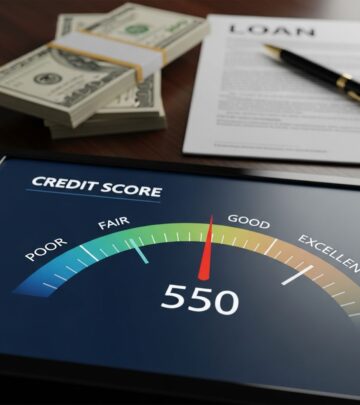
Securing an unsecured credit card with a 500 credit score presents challenges due to its classification in the poor range on FICO models, typically spanning 300-579. Lenders view this score as high-risk, often demanding stronger profiles for no-deposit products. However, targeted cards exist for subprime borrowers, offering pathways without collateral while reporting activity to bureaus for rebuilding.
Understanding Credit Score Impacts on Card Approval
Credit scores gauge repayment likelihood using payment history (35%), amounts owed (30%), length of history (15%), new credit (10%), and mix (10%). A 500 score signals delinquencies or thin files, prompting issuers to impose high APRs (often 25-36%) or fees. Unsecured cards bypass deposits but scrutinize income stability, debt-to-income ratios below 36%, and recent inquiries.
Approval hinges beyond scores: steady employment, residencies over six months, and bank balances bolster cases. Prequalification tools scan soft pulls, revealing fits without dings. For 500-score holders, success rates hover under 20% for premium unsecureds but rise with specialized issuers.
Top Unsecured Credit Card Choices for Poor Credit
Several issuers target bad-credit applicants with unsecured offerings. These prioritize accessibility over rewards, focusing on reporting and gradual limit hikes.
- Prosper Card: Welcomes fair-to-poor scores; $59 annual fee waived first year via autopay. Prequalifies sans hard pull; builds history through on-time payments.
- Seen Mastercard: Invitation or prequal-based; $0-$75 fees. Starts at $300-$3,000 limits, virtual access immediate, reports to Equifax, Experian, TransUnion. Limit boosts after five payments.
- PerPay Card: No credit check; links payroll for coverage. Membership tiers set limits; auto-transfers clear balances, fostering habits sans traditional underwriting.
- Capital One Options: Unsecured variants approve 520-540 scores per user data. Avoids deposits; pairs well post-secured use for upgrades.
Compare key terms:
| Card | Annual Fee | APR Range | Initial Limit | Key Perk |
|---|---|---|---|---|
| Prosper Card | $0 first year, then $59 | High (28-35% est.) | Varies | Autopay waiver |
| Seen Mastercard | $0-$75 | Not specified | $300-$3,000 | Virtual card |
| PerPay Card | Membership-based | N/A (payroll-linked) | Based on paycheck | No credit check |
| Capital One Unsecured | $0-$35 est. | High | Low start | Upgrade path |
Secured Cards as a Bridge to Unsecured Access
When unsecured denials hit, secured cards require $200+ deposits as limits, easing approvals for 500 scores. Responsible use—under 30% utilization, timely payments—triggers graduations to unsecured status, refunding deposits.
- Capital One Secured: $49 min deposit for many; 80% graduate to unsecured post-approval.
- Standard options: Report positively, yielding 50-100 point gains yearly.
Strategy: Start secured, maintain perfection six months, reapply unsecured. This sequences builds history without multiple inquiries.
Steps to Qualify for Unsecured Credit with Low Scores
- Prequalify Extensively: Use issuer sites for soft checks; target 3-5 matches.
- Optimize Profile: Pay down debts; dispute errors via AnnualCreditReport.com (weekly free from bureaus).
- Boost Income Proof: Recent paystubs, tax returns aid manual reviews.
- Limit Applications: Space 90 days; inquiries drop scores 5-10 points temporarily.
- Add Authorized User: Piggyback positive accounts ethically.
Timeline: 3-6 months of fixes lift to 600+, unlocking better unsecureds.
Fees, APRs, and Pitfalls to Avoid
Subprime unsecureds carry traps: $30-39 late fees, 29.99%+ APRs compounding balances. Annual fees erode value; read PDAs fully. Prefer no-fee starters or waivers. Unlike secureds, fees aren’t refundable on closure.
Red flags: Offshore issuers, unusable networks, hidden charges. Stick to Mastercard/Visa for ubiquity.
Building Credit Long-Term from a 500 Base
Consistent use yields results: Pay full monthly, keep utilization <10%. Diversify with one card initially. Tools like Credit Karma track progress. Aim 700+ in 12-24 months via compounding positive data.
Alternatives: Credit-builder loans ($1,000 avg gain), rent reporting (Experian Boost adds utilities).
FAQ
Q: Is a 500 score too low for any unsecured card?
A: No—specialized cards approve via income, not solely scores. Prequalify first.
Q: How long to upgrade from secured?
A: 6-12 months with perfect payments; many auto-graduate.
Q: Do these cards offer rewards?
A: Rarely; prioritize building over cashback initially.
Q: What’s the easiest unsecured for bad credit?
A: Prequal-dependent; PerPay skips checks, Capital One suits 500-550.
Q: Can I get no-deposit cards with no credit history?
A: Yes, some like payroll-linked ignore scores.
Final Thoughts on Navigating Low-Score Credit
Patience and discipline turn 500 scores into unsecured access. Start modest, scale wisely—freedom follows reliability. Monitor via free weekly reports; celebrate increments.
References
- Best Unsecured Credit Cards for Bad Credit 2026 — Intuit Credit Karma. 2026. https://www.creditkarma.com/credit-cards/i/best-unsecured-credit-cards-for-building-credit
- Unsecured Credit Cards for Bad Credit — NerdWallet. 2026. https://www.nerdwallet.com/credit-cards/learn/unsecured-credit-cards-for-bad-credit
- The Best Credit Cards for Bad Credit in 2026 — YouTube (Noelle). 2026. https://www.youtube.com/watch?v=kMJMeW60eY4
- Can You Get a Credit Card With No Deposit? — Citi.com. 2026-03-03. https://www.citi.com/credit-cards/understanding-credit-cards/can-you-get-a-credit-card-with-no-deposit
- Credit Cards for Rebuilding Credit — Mastercard. 2026. https://www.mastercard.com/us/en/personal/find-a-card/credit-card/credit-type/bad-credit.html
Similar Articles








Read full bio of Sneha Tete