Unpaid Tuition and Credit Scores
Discover how skipping tuition payments can harm your credit and learn proactive strategies to safeguard your financial future.
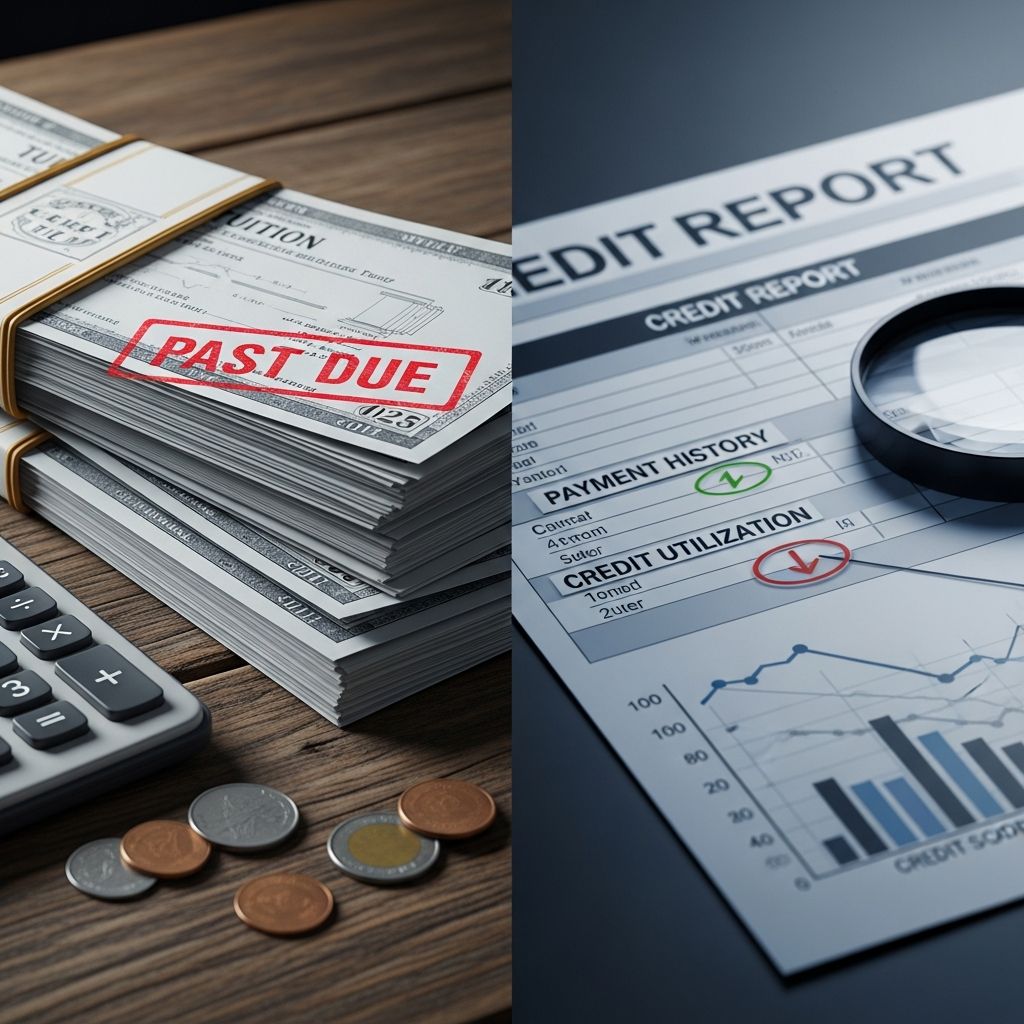
Navigating college expenses is challenging, and falling behind on tuition payments can create unexpected financial hurdles. While most educational institutions do not routinely share payment records with credit bureaus, prolonged non-payment can trigger serious repercussions, including potential damage to your credit profile. This comprehensive guide examines the pathways through which unpaid tuition influences credit health, immediate school responses, legal safeguards, and practical resolutions.
Direct Link Between Tuition Debt and Your Credit Profile
Tuition obligations differ from federal or private student loans because universities typically handle them internally rather than reporting to major credit agencies like Equifax, TransUnion, or Experian on a regular basis. Short-term delays in payment—such as a few weeks—rarely register on credit reports. However, when balances remain outstanding for months, institutions may escalate by transferring the debt to third-party collection firms. These collection entries then appear on your credit file, directly lowering your score by signaling risk to lenders.
The severity of the impact hinges on factors like the debt size, your prior credit history, and how swiftly you address it. Collection accounts linger for up to seven years from the initial delinquency date, though their negative weight diminishes with time and positive financial behaviors.
Immediate Repercussions of Missed Tuition Payments
Educational institutions enforce swift measures to encourage prompt payment, prioritizing administrative leverage over credit reporting. Common initial steps include:
- Financial Holds: Blocking access to registration for upcoming semesters until clearance.
- Academic Record Restrictions: Preventing transcript releases needed for job applications, transfers, or further studies.
- Diploma Withholding: Delaying degree conferral, which stalls career progression.
- Class Enrollment Cancellation: Removal from active courses after extended delinquency.
- Housing and Services Cutoff: Loss of dorm access or meal plans.
These holds create cascading effects, disrupting education and employment prospects far sooner than credit damage.
State-Specific Safeguards Against Harsh Penalties
Not all regions permit unrestricted use of holds. Several U.S. states have enacted laws curbing aggressive tactics:
| State | Key Protections |
|---|---|
| New York | Prohibits transcript/diploma withholding for unpaid tuition post-2022 reforms. |
| California | Limits holds on transcripts and degrees. |
| Maine | Protects access to academic records. |
| Minnesota | Bans certain financial holds. |
| Washington | Restricts diploma denial. |
Students in these areas retain better leverage to negotiate resolutions without total academic lockdown. Always verify your state’s policies through official education department resources.
When Does Debt Escalate to Collections?
Schools often maintain internal recovery teams before external involvement. Policies vary: some impose late fees after 30 days, others after 90 days add substantial penalties (up to 22% in certain public systems). If internal efforts fail, debt sale or assignment to agencies follows. Once in collections:
- The account blemish appears on all three credit reports.
- Your score may drop 100+ points initially, depending on baseline.
- Recovery requires negotiating pay-for-delete agreements, though not guaranteed.
Proactive communication with your bursar’s office can avert this stage.
Tuition Installment Plans: A Viable Lifeline
Many campuses offer interest-free installment options to spread costs. Enrollment may be voluntary or automatic upon delinquency. Key considerations:
- No or Low Interest: Often 0% if paid timely.
- Administrative Fees: Flat charges per term ($20–50 common).
- Late Penalties: Fees or interest activation on missed installments.
- Eligibility: Typically requires minimum balance and auto-debit setup.
These plans prevent collections while allowing continued enrollment, but assess affordability to avoid cycling debt.
Legal Ramifications Beyond Credit Reports
If collections fail, lawsuits may ensue. Civil judgments do not directly impact credit scores but enforce payment via wage garnishment or liens (in some states). Statutes of limitations apply—often 3–6 years from delinquency—after which suits become harder, though aggressive institutions sue promptly. Freezing assets or credit checks via AnnualCreditReport.com helps monitor status.
Strategies to Rebuild After Credit Damage
Addressing the root debt first is paramount. Steps include:
- Contact the School: Request hardship extensions or plans.
- Negotiate Collections: Settle for less or secure deletions.
- Monitor Credit: Use free weekly reports from AnnualCreditReport.com.
- Build Positive History: Secured cards, on-time utility payments.
- Dispute Errors: Under FCRA if inaccuracies appear.
Expect gradual score recovery over 6–12 months with consistent effort.
Preventive Financial Planning for Students
Avoiding delinquency starts with budgeting. Tools like campus financial aid offices, scholarships, and part-time work mitigate risks. Differentiate tuition from loans: federal loans report delinquencies after 90 days, defaulting after 270, with harsher federal consequences like tax refund offsets.
Frequently Asked Questions
Does a one-month late tuition payment hurt credit?
No, schools rarely report short delays directly.
Can I graduate with unpaid tuition?
Often no, due to holds, unless state-protected.
How long do tuition collections stay on reports?
Seven years from delinquency start.
Are tuition payment plans free of interest?
Usually yes, but check for fees.
What if I drop out with unpaid tuition?
Debt persists and may go to collections.
In summary, while unpaid tuition poses indirect credit threats via collections, awareness and action preserve both academic progress and financial stability. Prioritize dialogue with administrators and leverage available plans for sustainable management.
References
- Does Unpaid Tuition Affect Your Credit Score? — Experian. 2023. https://www.experian.com/blogs/ask-experian/does-unpaid-tuition-affect-credit-score/
- Consumer Alert: Protecting Your Cash and Credit in College. Part 2 — WHEC. 2023. https://www.whec.com/archive/consumer-alert-protecting-your-cash-and-credit-in-college-part-2-unpaid-tuition-can-kill-your-credit-score/
- I have unpaid tuition, not loan, from college. Will it go away if i… — Avvo Legal Answers. 2023. https://www.avvo.com/legal-answers/i-have-unpaid-tuition-not-loan-from-college-will-i-5670096.html
- How to Get Student Loans for Past Due Tuition — Ascent Funding. 2024. https://www.ascentfunding.com/blog/how-to-get-student-loans-for-past-due-tuition/
- How Universities Can Combat Effects of Unpaid Tuition — Campus Commerce. 2023. https://campuscommerce.com/blog-how-universities-can-combat-effects-of-unpaid-tuition/
- Do Student Loans Affect My Credit Score? — Freedom Debt Relief. 2024. https://www.freedomdebtrelief.com/learn/credit-score/do-student-loans-affect-credit-score/
Similar Articles








Read full bio of Sneha Tete