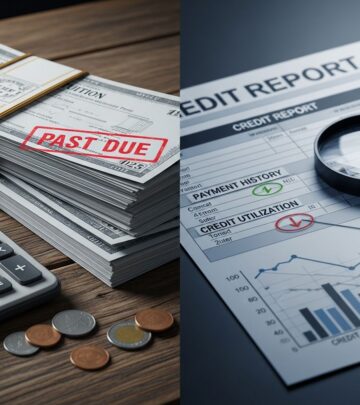
Unpaid Taxes and Credit Scores
Discover how skipping tax payments can indirectly damage your credit profile through liens, levies, and financial strain.
Unpaid taxes do not directly appear on your credit report or lower your credit score, as the IRS does not report tax debts to credit bureaus like Experian, Equifax, or TransUnion. However, failure to address tax obligations can trigger serious consequences such as penalties, interest, liens, and levies that indirectly damage your creditworthiness and ability to secure loans or credit.
The Direct Link Between Taxes and Credit: Why It’s Not Straightforward
Credit scores are calculated based on factors like payment history, credit utilization, length of credit history, new credit, and credit mix. Tax payments are not part of this system because the IRS operates separately from consumer credit reporting agencies. According to official credit reporting standards, non-payment of federal income taxes won’t show up as a missed payment on your report.
That said, the financial ripple effects are profound. When taxes go unpaid, accumulating costs can strain your budget, leading to missed payments on credit cards, loans, or mortgages—each of which directly tanks your score. Payment history alone accounts for 35% of your FICO score, making these indirect hits particularly damaging.
IRS Enforcement Actions: From Notices to Liens
The IRS follows a structured process for delinquent taxes. It begins with notices sent via mail, urging payment. Ignoring these leads to escalated measures:
- Failure-to-Pay Penalty: 0.5% per month on unpaid taxes (0.25% if on a payment plan), capped at 25%, plus compounding interest.
- Failure-to-File Penalty: Steeper at 5% per month, also capped at 25%, applied if you don’t file returns.
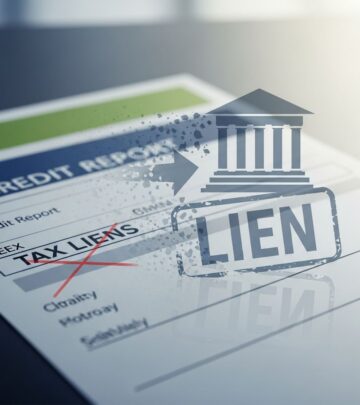
- Tax Lien: A public claim against your assets for debts typically over $10,000. Liens are filed with county records and often reported to credit bureaus, appearing as public records that signal risk to lenders.
- Tax Levy: Unlike liens, levies seize wages, bank accounts, or property to collect debts directly.
Tax liens remain on credit reports for seven years after payment (up to 15 years if unpaid), severely impacting scores by indicating unpaid government debt.
How Tax Liens Specifically Harm Your Credit Profile
A federal tax lien creates a legal hold on your property, prioritizing IRS claims over other creditors. While not all liens automatically hit credit reports, most do through public record notifications. This derogatory mark:
- Lowers credit scores significantly, often by 100+ points depending on your starting score and debt amount.
- Makes lenders view you as high-risk, leading to denials for mortgages, auto loans, or credit cards.
- Can freeze existing credit lines or hike interest rates on active accounts.
- Affects non-credit areas like higher insurance premiums and challenges selling property.
| Tax Debt Amount | Likely IRS Action | Credit Impact Level |
|---|---|---|
| Under $10,000 | Notices, penalties | Low (indirect via cash flow) |
| $10,000+ | Possible lien | High (public record) |
| Chronic delinquency | Lien + levy | Severe (score drop + denials) |
Even paid liens linger, but a release can be filed to note satisfaction, aiding gradual score recovery.
State and Local Taxes: Additional Credit Risks
Federal taxes aren’t alone. State income or property taxes can also lead to liens if unpaid. For instance, delinquent property taxes may result in municipal liens that appear on credit reports, complicating home sales or refinances. Unlike the IRS, some states report directly to bureaus, amplifying risks.
Property tax liens often arise from smaller, ongoing debts and can accrue faster penalties, pushing homeowners toward foreclosure risks that devastate credit.
Real-Life Financial Consequences Beyond Scores
The damage extends further:
- Borrowing Barriers: Lenders check public records; a lien flags you as unreliable.
- Employment Hurdles: Some jobs review credit; liens raise red flags.
- Asset Complications: Liens must be addressed before selling homes or vehicles.
- Compounding Debt: Interest on tax debt (currently around federal short-term rate + 3%) grows balances quickly.
Case in point: A mid-range lien can block mortgage approval, forcing reliance on high-interest alternatives that worsen debt cycles.
Strategies to Prevent and Resolve Tax-Related Credit Damage
Proactive steps can mitigate harm:
- File and Pay on Time: Use IRS Direct Pay or EFTPS for free electronic payments.
- Request Extensions: File Form 4868 for six more months to pay, avoiding failure-to-file penalties.
- Set Up Installment Agreements: Short-term (180 days) or long-term plans reduce penalties; apply via IRS Online Payment Agreement tool.
- Offer in Compromise (OIC): Settle for less if you qualify based on income/assets; use IRS pre-qualifier tool.
- Temporary Delay: Currently Not Collectible status if hardship proven.
For liens, request withdrawal after payment or via streamlined programs if compliant. Dispute inaccuracies on reports via bureaus.
Rebuilding Credit After Tax Troubles
Recovery timeline: Scores rebound as liens age (drop off after 7 years) and positive behaviors accumulate.
- Pay off debts promptly and get lien releases filed.
- Secure secured credit cards to rebuild payment history.
- Keep utilization under 30% and avoid new inquiries.
- Monitor reports weekly via AnnualCreditReport.com.
Expect 6-12 months for noticeable improvement with consistent effort.
Frequently Asked Questions (FAQs)
Will paying taxes with a credit card hurt my score?
No direct hit if paid off timely, but high balances increase utilization, indirectly lowering scores. Avoid if carrying balances.
Can I remove a tax lien from my credit report early?
Yes, via IRS withdrawal programs post-payment, or dispute if erroneous. Paid liens still note for 7 years.
Does state tax debt affect federal credit reports?
Yes, state liens appear as public records, similar to federal ones.
What if I can’t pay my full tax bill?
Contact IRS immediately for plans; penalties accrue otherwise.
How long until unpaid taxes lead to a lien?
Typically after multiple notices, for debts over $10,000, but varies by case.
Key Takeaways for Financial Health
Addressing tax debts swiftly preserves credit integrity. Use official IRS resources like IRS.gov for tools and forms. Regular financial check-ups, including free credit monitoring, help spot issues early.
References
- Can Not Paying My Taxes Hurt My Credit? — Experian. 2023. https://www.experian.com/blogs/ask-experian/can-unpaid-taxes-hurt-my-credit/
- Does Owing the IRS Affect Your Credit Score? — Community Tax. 2024. https://www.communitytax.com/tax-blog/does-owing-the-irs-affect-your-credit-score/
- How Do Unpaid Taxes Affect Your Credit Score? — Swallick & Associates. 2023. https://www.swallick.com/how-do-unpaid-taxes-affect-your-credit-score
- Do Delinquent Property Taxes Affect Credit Score? — KeyBank. 2025-08-01. https://www.key.com/personal/financial-wellness/articles/impact-of-unpaid-taxes.html
- Do Taxes Affect Your Credit Score? — Chase. 2024. https://www.chase.com/personal/credit-cards/education/credit-score/do-taxes-affect-your-credit-score
- Does a Tax Lien Hurt Your Credit Score? — Rush Tax Resolution. 2024. https://rushtaxresolution.com/does-a-tax-lien-hurt-your-credit-score/
- Does IRS Debt Show on Your Credit Report? — H&R Block. 2024. https://www.hrblock.com/tax-center/lifestyle/financial-education/taxes-affect-credit-score/
Similar Articles








Read full bio of Sneha Tete