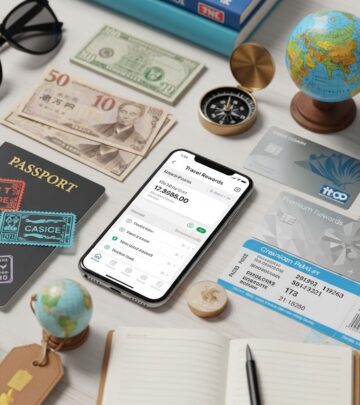
Travel Rewards Cards: Expert Guide To Maximize Points In 2025
Discover how travel rewards cards can transform your spending into free flights, hotel stays, and more with smart earning and redemption strategies.

Travel rewards cards represent a powerful tool for frequent travelers and casual spenders alike, allowing users to accumulate points or miles on purchases that can be redeemed for flights, accommodations, and other trip essentials. These cards differ from standard credit options by offering elevated earning rates on travel-related categories and a suite of perks designed to enhance the travel experience.
Core Mechanics of Earning Rewards
Rewards on travel cards accrue as points or miles tied to specific programs. Cardholders earn these by making purchases, with bonus multipliers often applied to categories like airfare, hotels, and dining. For instance, spending on airlines might yield 2 to 5 times the base rate, accelerating accumulation for future redemptions.
Everyday transactions also contribute, typically at a 1x to 2x rate, ensuring steady progress even without dedicated travel spending. Programs like Chase Ultimate Rewards or Capital One miles exemplify this, where points build across broad purchase types before conversion to travel value.
Categories of Travel Rewards Cards
Travel cards fall into distinct groups, each tailored to different user needs and loyalties.
- Flexible Points Cards: These earn issuer-specific points redeemable across multiple partners. Ideal for those without brand preferences, they support portal bookings or transfers to airlines and hotels, often yielding high value.
- Airline Co-Branded Cards: Linked to a single carrier’s loyalty program, these provide miles for flights, upgrades, and perks like free bags. Best for loyal flyers of one airline.
- Hotel Loyalty Cards: Focused on specific chains, offering accelerated points at properties, free nights, and elite status. Suited for frequent guests of brands like Marriott.
| Card Type | Best For | Example Earning Rates | Key Perk |
|---|---|---|---|
| Flexible | Versatile travelers | 2x-10x on travel | Point transfers |
| Airline | Frequent flyers | 2x-5x on airline spend | Free checked bags |
| Hotel | Stay loyalists | 3x-6x at hotels | Elite status |
Strategic Ways to Accumulate Points
To optimize earnings, focus on bonus categories aligned with your habits. Cards often boost rates for dining, gas, and streaming alongside travel. Welcome bonuses—points for meeting spending thresholds—provide a quick start, sometimes equaling months of regular use.
Pairing cards within an ecosystem amplifies results. For example, using a no-fee card for routine buys and a premium one for travel maximizes overall yields without excessive fees.
Maximizing Redemption Value
The true power of travel rewards lies in redemption. Flexible points shine when transferred to partners, often at 1:1 ratios, unlocking premium award flights or suites at lower cash cost. Issuer portals offer convenience, sometimes with bonuses like 25% value uplifts.
- Transfer to partners for peak value (e.g., business class awards).
- Book via portals for statement credits.
- Avoid low-value options like cash back, which dilute points to 1 cent each or less.
Timing matters: Monitor award availability and sweet spots where miles stretch furthest, such as short-haul flights or off-peak hotels.
Premium Perks and Protections
Beyond rewards, top cards deliver lifestyle enhancements. Airport lounge access, priority boarding, and travel credits offset annual fees for qualifying users.
Insurance benefits include trip delay coverage, baggage loss reimbursement, and primary car rental protection—safeguards worth hundreds in potential claims. Application credits for Global Entry or TSA PreCheck further reduce out-of-pocket costs.
Evaluating Costs and Fees
Annual fees range from $0 to $550+, balanced by perks. Calculate net value: If credits and rewards exceed the fee, it’s worthwhile. Foreign transaction fees plague some cards, so opt for travel-focused ones that waive them.
Interest charges erode benefits if balances carry over; pay in full monthly to preserve value.
Selecting Your Ideal Card
Assess spending patterns, travel frequency, and loyalty. Budget travelers may prefer no-fee options like Bank of America Travel Rewards, while high spenders benefit from premium flexible cards.
Review credit score requirements—most demand good to excellent credit. Simulate earnings with online calculators to project annual points.
Common Pitfalls to Avoid
Chasing sign-up bonuses without sustainable spending leads to debt. Overspending to hit thresholds negates rewards. Forgetting transfer deadlines or blackouts diminishes options.
- Track expiration policies—many points last indefinitely if active.
- Understand devaluation risks as programs tweak charts.
Real-World Examples
A mid-tier flexible card like Chase Sapphire Preferred earns 5x on portal travel, with a $50 hotel credit and 25% redemption bonus, netting strong value for $95 annually. Hotel cards like Marriott Bonvoy options grant 6x at properties plus free nights. Airline cards offset fees via bag savings for families.
Frequently Asked Questions
What is the best way to redeem travel points?
Transferring to airline or hotel partners typically yields 1.5-2 cents per point, far above portal or cash rates.
Do travel cards have annual fees?
Many do, but perks like credits often offset them for active users.
Can I earn rewards without traveling?
Yes, base rates apply to all purchases, building points steadily.
Are points transferable between programs?
Only within issuer partners; once transferred out, they’re irreversible.
How do I qualify for a travel card?
Good credit (670+ FICO) and ability to pay balances fully.
Building a Rewards Portfolio
Combine cards for coverage: A flexible points earner as primary, co-branded for targeted spend. Ladder sign-ups to harvest bonuses yearly, rotating via responsible churning. Track via apps to redeem optimally.
For families, pool points where possible or designate cards per spender. Businesses access parallel premium options with higher limits.
In summary, travel rewards cards reward strategic use, turning routine expenses into extraordinary trips when wielded wisely.
References
- How Do Travel Credit Cards Work? — Bankrate. 2024-10-15. https://www.bankrate.com/credit-cards/travel/how-do-travel-rewards-work/
- How Do Travel Credit Cards Work? — NerdWallet. 2024-11-02. https://www.nerdwallet.com/travel/learn/how-do-travel-credit-cards-work
- The pros and cons of travel credit cards — The Points Guy. 2024-09-20. https://thepointsguy.com/credit-cards/pros-cons-of-travel-credit-cards/
- How Do Credit Card Miles Work? — Discover. 2024-08-10. https://www.discover.com/credit-cards/card-smarts/how-do-credit-card-miles-work-for-travel-rewards/
- Bank of America® Travel Rewards Credit Card — Bank of America. 2025-01-12. https://www.bankofamerica.com/credit-cards/products/travel-rewards-credit-card/
- An Overview: How Do Travel Credit Cards Work? — Chase Bank. 2024-12-05. https://www.chase.com/personal/credit-cards/education/rewards-benefits/how-do-travel-credit-cards-work
Similar Articles








Read full bio of Sneha Tete