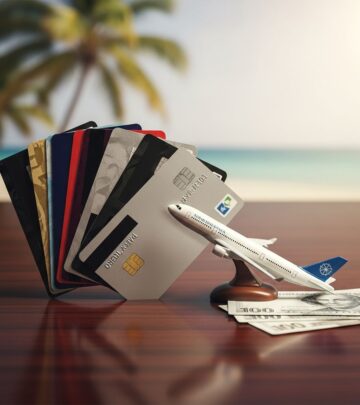
Unlocking Travel Credit Cards
Discover how travel credit cards deliver rewards, perks, and protections to elevate your journeys and maximize every trip.

Travel credit cards transform everyday spending into opportunities for enhanced journeys by offering elevated rewards on travel-related purchases and a suite of exclusive benefits. These cards cater to frequent travelers, providing tools to offset costs, streamline experiences, and add layers of protection.
Core Mechanics of Travel Rewards Programs
At their foundation, travel credit cards operate through rewards structures that incentivize spending in specific categories. Cardholders accumulate points, miles, or cash back primarily on expenses like airfare, accommodations, car rentals, and rideshares. Rates often range from 2X to 10X points per dollar spent, depending on the card and booking method.
To maximize earnings, many issuers require bookings through their dedicated portals, where bonus multipliers apply. For instance, purchases via a card’s travel platform can yield higher returns on flights and hotels, blending convenience with accelerated rewards accumulation.
- Earn bonus rewards on airlines, hotels, and transit.
- Utilize issuer portals for optimal point multipliers.
- Track spending to hit welcome bonuses, often requiring $3,000–$6,000 in initial purchases.
Premier Perks for Seamless Journeys
Beyond rewards, these cards shine with perks that elevate the travel process. Airport lounge access stands out, granting entry to premium areas with complimentary food, drinks, and workspaces during layovers. Cards like those from Delta or Capital One provide visits to exclusive clubs, sometimes including guest passes.
Elite status shortcuts are another draw. Hotel cards deliver automatic tiers like Platinum, unlocking room upgrades, late checkouts, and bonus points without dozens of required stays. Airline variants offer priority boarding, free checked bags for multiple passengers, and companion certificates for discounted second tickets.
| Perk Type | Examples | Typical Value |
|---|---|---|
| Lounge Access | Delta Sky Club, Priority Pass | $400+ annually |
| Elite Status | Hotel Platinum, Airline Gold | Upgrades worth $200/stay |
| Bag Fees Waiver | First bag free for 9 travelers | $60–$100 per roundtrip |
| Priority Services | Boarding, Check-in | Time savings |
Financial Offsets and Credits
Annual fees on premium cards—ranging from $95 to $650—often come with statement credits that effectively reduce or eliminate the cost. Common offsets include $300 airline credits for fees, baggage, or upgrades; $200 dining rebates; and $120 Global Entry/TSA PreCheck reimbursements every 4–4.5 years.
No foreign transaction fees prevent 3% surcharges abroad, while cell phone protection covers up to $1,000 in damages. Resort credits, complimentary breakfasts, and ship-ahead services add luxury without extra spend.
For value calculation: A $395 fee might pair with $300 travel credit plus 10,000 anniversary miles (worth $100+), netting positive returns for active users.
Comprehensive Travel Protections
Insurance features provide peace of mind. Trip cancellation/interruption reimburses non-refundable costs up to policy limits; baggage delay covers essentials after 6 hours, up to $500. Lost luggage compensation reaches $3,000 per passenger, with auto rental collision damage waiver standard.
These activate automatically for card-paid trips, requiring minimal documentation like receipts and airline reports. Primary coverage often means no need to file with personal insurance first.
- Trip delay: 6+ hours for reimbursements.
- Baggage: Loss/delay protections.
- Rental car: Collision waiver up to full value.
- Emergency assistance: 24/7 concierge for bookings.
Redeeming Rewards Strategically
Points flexibility defines top cards. Transferable rewards move 1:1 to airline/hotel partners, enabling premium redemptions like business-class flights. Issuer portals allow direct bookings, sometimes with bonuses, though transfers often yield higher value.
Redemption options span statement credits for travel, portal bookings, or cash back at lower rates. Frequent flyers prioritize transfers for outsized value, such as 2–5 cents per point versus 1 cent for cash.
Choosing the Right Card for Your Lifestyle
Selection hinges on travel patterns. Airline loyalists favor co-branded cards for status acceleration and free bags. Hotel enthusiasts gain from chain-specific perks. Generalists opt for flexible points like Chase or Capital One for broad usability.
Assess annual fee against perks usage: Infrequent travelers may prefer no-fee options like Bank of America Travel Rewards. Credit score requirements typically start at good (670+), with premium cards needing excellent (740+).
| Traveler Type | Recommended Focus | Key Cards Example |
|---|---|---|
| Frequent Flyer | Airline miles, lounge | Delta Reserve |
| Hotel Stay | Elite status, upgrades | Marriott Brilliant |
| Flexible | Transfer points | Venture X, Sapphire |
| Beginner | No fee, simple rewards | Discover it Miles |
Potential Drawbacks and Mitigations
High fees demand justification through usage; unused perks waste value. Rewards concentrate on travel, underperforming for everyday spends. Mitigation: Pair with a flat-rate card and calculate net value annually.
Temptation to overspend exists, but paying balances fully preserves rewards. Building credit first ensures approval.
Frequently Asked Questions
What is the best travel credit card for beginners?
No-fee cards like Discover it Miles offer unlimited 1.5X miles on all purchases, redeemable for travel credits, ideal for entry-level users.
Do travel cards cover family benefits?
Many extend free bags or lounge visits to companions on the same reservation.
How to avoid foreign fees?
Select cards explicitly stating no foreign transaction fees, standard on most travel options.
Are points transferable?
Premium cards from Chase, Amex, Capital One allow 1:1 transfers to partners.
What’s the value of lounge access?
Day passes cost $50–$75; annual memberships $400–$600, offset by card perks.
Maximizing Long-Term Value
Combine cards for coverage: One for airlines, another for hotels. Time applications for bonuses, space redemptions. Track via apps for concierge use and credit offsets.
Ultimately, travel credit cards suit those spending $10,000+ annually on trips, turning costs into elevated experiences through rewards, perks, and safeguards.
References
- Hidden Benefits of Premium Travel Credit Cards — Wells Fargo. 2023. https://creditcards.wellsfargo.com/hidden-benefits-of-premium-travel-credit-cards/
- The Pros And Cons Of Travel Credit Cards — Bankrate. 2025-03-15. https://www.bankrate.com/credit-cards/travel/pros-and-cons-of-travel-credit-cards/
- The pros and cons of having travel credit cards — The Points Guy. 2024-10-01. https://thepointsguy.com/credit-cards/pros-cons-of-travel-credit-cards/
- Travel & Airline Credit Cards — Mastercard. 2026-01-20. https://www.mastercard.com/us/en/personal/find-a-card/credit-card/categories/travel-and-airline.html
- What are travel rewards cards and why get one? — Chase Bank. 2024. https://www.chase.com/personal/credit-cards/education/rewards-benefits/what-are-travel-rewards-cards
Similar Articles








Read full bio of medha deb