Prequalification: 4 Easy Steps To Estimate Loan Eligibility
Discover how prequalification empowers smarter financial decisions for loans and credit cards without credit score risks.

Prequalification serves as an initial assessment tool that allows consumers to estimate their potential eligibility for loans or credit cards based on basic financial details, typically involving a soft credit inquiry that does not affect credit scores.
Understanding the Basics of Prequalification
Prequalification represents a preliminary evaluation where lenders review self-reported information like income, housing costs, and savings alongside a soft pull of your credit history. This process provides an approximate idea of loan amounts, interest rates, or credit limits you might access without committing to a formal application.
Unlike full applications, prequalification relies on estimates rather than verified documents, making it quick—often completed in minutes online or via phone. Lenders use this to gauge interest and fit before deeper reviews.
- Self-provided data on employment and finances
- Soft credit check for basic history overview
- Estimated terms rather than firm commitments
How Prequalification Works Step by Step
The journey begins when you input details on a lender’s website or app, such as annual salary, debts, and desired loan type. Algorithms and soft inquiries generate personalized offers, showing possible rates and limits.
- Submit basic personal and financial info
- Lender performs soft inquiry (no score impact)
- Receive estimates for products like mortgages or cards
- Decide to proceed to full application if interested
This method enables rate shopping across providers, as multiple soft pulls within a short window count as one for scoring purposes.
Prequalification for Mortgages: A Homebuyer’s Essential Tool
In real estate, prequalification helps buyers understand borrowing power early. Provide income estimates and down payment ideas; lenders reply with rough mortgage figures.
| Aspect | Prequalification Details |
|---|---|
| Documentation | Basic self-reported info only |
| Credit Impact | None (soft check) |
| Timeline | Minutes to hours |
| Outcome | Borrowing estimate |
Though not binding, it signals seriousness to sellers without the rigor of preapproval.
Credit Cards and Prequalification Opportunities
Card issuers often send prequalified offers based on credit bureau lists of likely candidates. These stem from soft prescreening matching basic criteria like score ranges.
You can self-initiate by entering details on issuer sites, receiving tailored card suggestions without score dings. Pre-approval mailers function similarly, inviting formal applications.
Advantages for Card Seekers
- Identify matching rewards or low-APR options
- Avoid unnecessary hard inquiries
- Boost application confidence
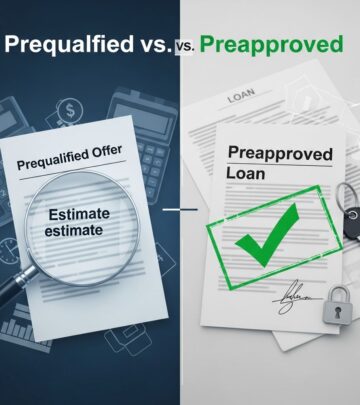
Prequalification vs. Preapproval: Key Distinctions
While terms overlap, prequalification uses lighter checks; preapproval demands verified docs and often hard inquiries.
| Feature | Prequalification | Preapproval |
|---|---|---|
| Credit Inquiry | Soft (no impact) | Hard (temporary dip) |
| Documents Needed | Estimates | Pay stubs, tax returns, statements |
| Timeframe | Quick | Days |
| Strength | Estimate | Stronger approval signal |
Preapproval suits competitive markets like housing, proving readiness; prequalification fits exploratory shopping.
Impact on Your Credit Profile
Soft inquiries during prequalification leave scores untouched, unlike hard pulls in full apps or some preapprovals that cause minor, short-term drops.
Prescreened offers from bureaus also use soft checks, ensuring unsolicited mailers pose no risk.
Steps to Pursue Prequalification Effectively
Start with major issuers’ tools—answer queries on income, SSN (optional), and goals. Compare across banks for best fits.
- Check issuer prequal pages or apps
- Review multiple offers side-by-side
- Verify soft inquiry confirmation
- Advance only to promising leads
For mortgages, contact officers early to align estimates with market realities.
Common Misconceptions About Prequalification
Myths persist: it guarantees approval (false—full review needed), affects scores (rarely), or binds you (no obligation).
Another: all offers are equal. Issuer-specific criteria vary, so shop widely.
When to Advance Beyond Prequalification
Once estimates align with goals, submit full apps. Expect document uploads and hard pulls then.
In cards, post-prequal application reveals exact limits; for loans, it triggers underwriting.
Building a Stronger Prequalification Profile
Optimize by reviewing free credit reports annually, paying debts promptly, and limiting inquiries. Higher scores yield better estimates.
Optimization Strategies
- Reduce credit utilization below 30%
- Ensure accurate self-reported data
- Time shopping within 14-45 day windows
- Improve score via on-time payments
FAQs on Prequalification
Does prequalification hurt my credit score?
No, it uses soft inquiries that do not appear on reports seen by most lenders or impact scores.
Can I prequalify for multiple lenders?
Yes, safely shop rates as soft pulls aggregate for scoring.
Is prequalification the same as approval?
No, it’s an estimate; full apps determine final outcomes.
How long are prequal offers valid?
Varies by lender, often 30-90 days—check specifics.
Who offers prequalification tools?
Banks, credit unions, card issuers, and mortgage providers online.
Real-World Applications and Success Stories
Buyers use prequals to target affordable homes, avoiding overbids. Card hunters snag optimal rewards without rejections.
One strategy: prequalify seasonally for balance transfers, locking low rates proactively.
In tightening markets, prequals filter viable options, saving time and stress.
References
- Pre-Selected vs Pre-Approved Credit Offers: What’s the Difference? — Diamond Credit Union. 2023-05-15. https://diamondcu.org/blog/pre-selected-vs-pre-approved/
- Prequalified Vs. Preapproved: What’s The Difference? — Bankrate. 2025-01-20. https://www.bankrate.com/mortgages/preapproved-vs-prequalified/
- Prequalified vs. Preapproved: What’s the Difference? — Experian. 2024-11-10. https://www.experian.com/blogs/ask-experian/pre-approved-vs-pre-qualified-whats-the-difference/
- Pre-Qualified vs. Pre-Approved: Compared — Capital One. 2025-02-01. https://www.capitalone.com/learn-grow/money-management/credit-card-pre-approval-pre-qualification/
- Mortgage Pre-Qualification vs. Pre-Approval — Bank of America. 2024-12-05. https://www.bankofamerica.com/mortgage/learn/mortgage-prequalification/
Similar Articles








Read full bio of Sneha Tete