Unlocking the Potential of Accessory Dwelling Units
Discover how ADUs boost property value, generate income, and provide flexible living solutions in today's housing market.
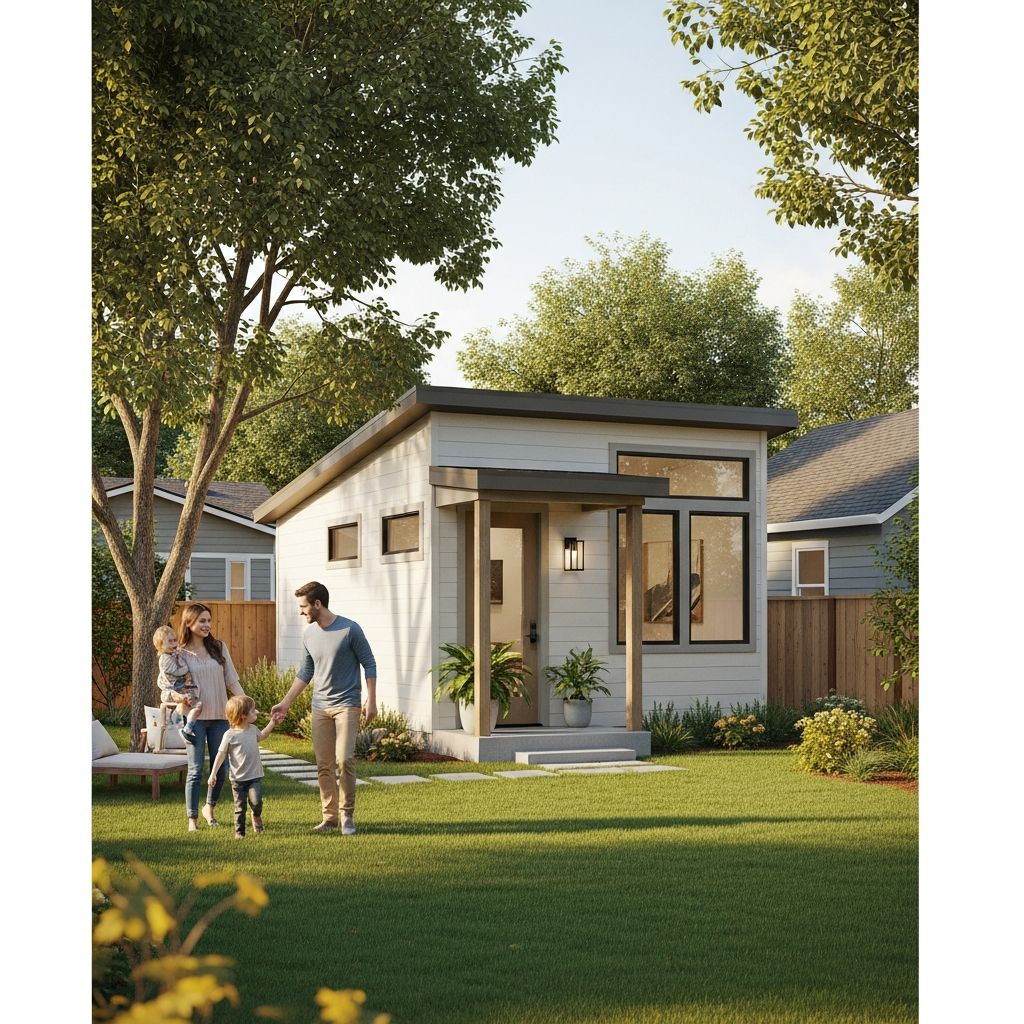
Accessory Dwelling Units (ADUs) represent a smart, versatile approach to expanding living space on existing properties without the need for sprawling new developments. These secondary residences, often tucked into backyards or attached to primary homes, offer homeowners multifaceted advantages in an era of housing shortages and rising costs. From creating rental revenue streams to accommodating multigenerational families, ADUs are reshaping residential landscapes across the United States.
What Exactly Is an Accessory Dwelling Unit?
An
ADU
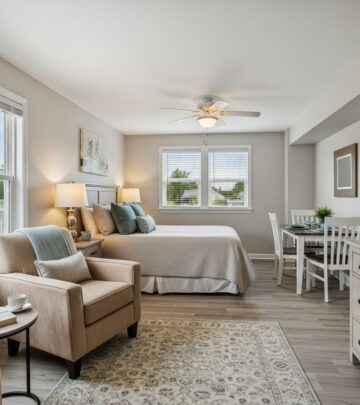
is a self-contained living space located on the same lot as a primary single-family home. It includes essential features like a kitchen, bathroom, sleeping area, and entrance, enabling independent occupancy. Unlike traditional apartments, ADUs integrate seamlessly into suburban or urban neighborhoods, promoting efficient land use.Commonly known by names such as in-law suites, granny flats, or carriage houses, ADUs vary in scale from compact studios under 500 square feet to more spacious units up to 1,200 square feet, depending on local ordinances. They address critical needs like affordable housing and family support while enhancing property utility.
Exploring the Diverse Types of ADUs
ADUs come in several configurations to suit different properties and homeowner preferences. Understanding these options helps in selecting the best fit for your space and budget.
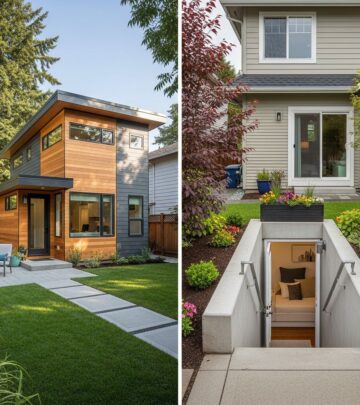
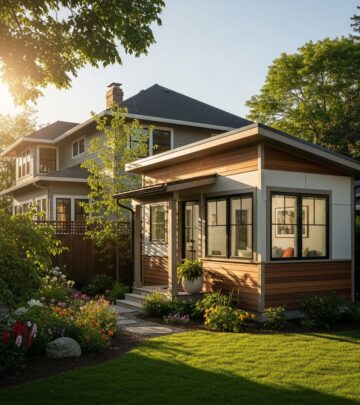
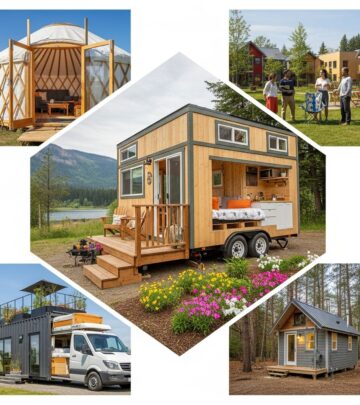
- Detached ADUs: Standalone structures like backyard cottages or garages converted into full residences. These provide maximum privacy and can command premium rental rates due to their house-like feel.
- Attached ADUs: Extensions of the main home, such as additions to the side, rear, or above the garage. They share infrastructure like utilities, reducing construction costs.
- Junior ADUs (JADUs): Smaller units (typically under 500 sq ft) carved out from the primary dwelling’s interior, like basement apartments or attic conversions. Ideal for properties with limited outdoor space.
- Garage-Top or Over-Garage ADUs: Built above existing garages, these maximize vertical space and often require minimal foundation work.
Each type balances cost, privacy, and integration. For instance, detached units may boost property appeal for buyers seeking income potential, while attached ones streamline shared family living.
Key Advantages of Adding an ADU to Your Property
Building an ADU delivers tangible returns that extend beyond immediate utility. Homeowners report enhanced financial security, lifestyle flexibility, and community contributions.
Boosting Property Value and Marketability
One of the most compelling
benefits
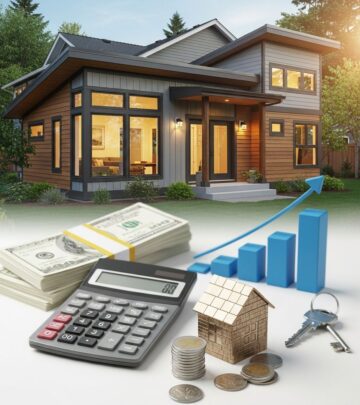
is the substantial uplift in home equity. Studies show ADUs can increase property values by up to 30%, with detached models often yielding the highest premiums due to their versatility. Buyers covet the added square footage and income-generating potential, making ADU-equipped homes stand out in competitive markets.The return on investment hinges on construction costs versus local sale prices per square foot. In high-demand areas, this delta ensures quick recoupment, often exceeding base market rates thanks to adaptable uses.
Generating Reliable Rental Income
In a tight housing market, ADUs shine as
passive income sources
. Renters prefer their privacy and single-family ambiance over apartments, leading to lower vacancy risks and higher rates—sometimes covering full mortgage payments. Short-term rentals via platforms like Airbnb amplify earnings in tourist hotspots.For fixed-income households, this revenue promotes stability without relocating. Low-income families benefit from affordable options, easing broader supply pressures.
Supporting Multigenerational Living and Aging in Place
ADUs facilitate
aging relatives
staying nearby, slashing costs of facilities ($5,250–$13,630 monthly) while maintaining independence. AARP data reveals 69% of adults over 50 would consider ADUs for proximity with autonomy, and 68% for caregiver housing.Custom designs accommodate mobility needs, balancing privacy and support. This setup preserves family ties and community roots.
Creating Dedicated Workspaces and Guest Quarters
With remote work surging, ADUs offer
separate offices
, boosting productivity by delineating professional and personal spaces. They double as guest houses for visitors, eliminating hotel expenses.Flexible designs adapt to life changes—teen suites, hobby studios, or future rentals—ensuring long-term relevance.
Environmental and Community Wins
ADUs use fewer resources than new builds, conserving land and reducing energy for heating/cooling. They densify housing respectfully, curbing urban sprawl while honoring neighborhood character.
Navigating Zoning Laws and Regulations
While promising, ADUs require compliance with local rules. Many states now streamline approvals to combat shortages, as in model policies authorizing ADUs in single-family zones for personal or rental use.
- Check setbacks, size caps (e.g., 50% of primary home or 1,200 sq ft max), and parking mandates.
- Some areas mandate owner-occupancy or limit short-term rentals.
- Streamlined permits favor single-story, prefab designs.
Consult municipal planning departments early. Jurisdictions like California and Oregon lead with permissive laws, but variances may be needed elsewhere.
Financing Your ADU Project
Funding options abound for qualified homeowners. Key avenues include:
| Option | Description | Pros | Cons |
|---|---|---|---|
| Home Equity Line of Credit (HELOC) | Tap equity for flexible draws | Lower rates, tax-deductible interest | Variable rates, lien on home |
| Construction Loan | Short-term financing for builds | Funds phases, converts to mortgage | Higher rates, strict quals |
| Cash-Out Refinance | Replace mortgage, extract equity | Lump sum, fixed rates | Resets mortgage clock |
| Personal Loans or Grants | Unsecured or local incentives | No collateral, quick access | Higher interest, limited amounts |
Assess costs: $150–$500/sq ft, varying by type and location. ROI calculators factor rentals and appreciation. Partner with lenders experienced in ADUs.
Step-by-Step Guide to Building Your ADU
- Assess Feasibility: Review zoning, lot size, utilities.
- Design Phase: Hire architects for compliant plans emphasizing efficiency.
- Secure Permits: Submit for reviews; expect 1–6 months.
- Financing and Contracts: Lock funds, select vetted builders.
- Construction: 3–12 months; monitor progress.
- Inspections and Occupancy: Final checks, then rent or occupy.
Prefab options accelerate timelines and cut costs by 20–30%.
Potential Challenges and Solutions
Common hurdles include high upfront costs, neighbor pushback, and lengthy permits. Mitigate with prefab, community outreach, and pre-approved designs. Insurance adjusts easily, often at nominal hikes.
Long-term, ADUs future-proof properties amid demographic shifts like aging populations and remote work.
Frequently Asked Questions (FAQs)
Do ADUs increase property taxes?
Typically yes, based on added value, but exemptions or phased increases apply in some areas. Consult local assessors.
Can I rent out my ADU short-term?
Depends on zoning; many allow with limits (e.g., 30-day min). Platforms like Airbnb thrive where permitted.
How much does an ADU cost to build?
$100,000–$400,000 average, influenced by size, type, and finishes. Detached units trend higher.
Are ADUs allowed in my neighborhood?
Verify with city hall; reforms in 40+ states ease restrictions.
What’s the ROI timeline?
Often 5–10 years via rent/value growth, faster in hot markets.
References
- Six Benefits of an Accessory Dwelling Unit — ROST Architects. 2024-04-15. https://www.rostarchitects.com/articles/2024/4/15/six-ways-an-accessory-dwelling-unit-can-benefit-you
- Accessory Dwelling Units Act — American Legislative Exchange Council (ALEC). Accessed 2026. https://alec.org/model-policy/accessory-dwelling-units-act/
- Evidence Brief: Affordable Accessory Dwelling Units — Habitat for Humanity. Accessed 2026. https://www.habitat.org/our-work/impact/affordable-accessory-dwelling-units-evidence-brief
- Enhancing Property Value With Accessory Dwelling Units — Better Place Design Build. Accessed 2026. https://betterplacedesignbuild.com/resources/tips/adu-benefits/
- Reasons to Build an Additional Dwelling Unit — Banner Bank. Accessed 2026. https://www.bannerbank.com/financial-resources/blog/reasons-to-build-an-additional-dwelling-unit-on-your-property
- Everything You Need to Know About Accessory Dwelling Units — Extra Space Storage. Accessed 2026. https://www.extraspace.com/blog/moving/everything-you-need-to-know-about-accessory-dwelling-units/
Similar Articles








Read full bio of Sneha Tete