Unlocking Personal Loans: A Complete Guide
Discover everything about personal loans, from types and benefits to smart strategies for borrowing responsibly in 2026.

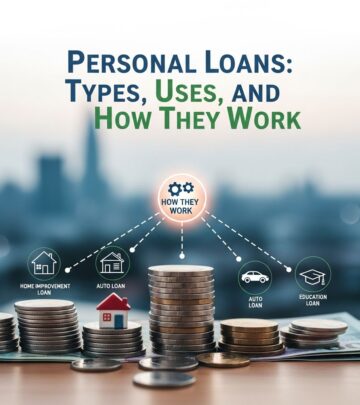
Personal loans provide a versatile way to access funds for various needs, offering lump-sum amounts repaid in fixed installments. These loans stand out for their flexibility, allowing borrowers to address everything from urgent expenses to long-term financial goals without pledging major assets in most cases.
Defining Personal Loans and Their Core Mechanics
At their essence, personal loans deliver a one-time cash infusion from banks, credit unions, or online platforms, which you repay over a defined period through predictable monthly payments. Terms typically span one to seven years, with loan amounts ranging from $1,000 to $50,000 or higher depending on the lender and your profile.
The process begins with an application where lenders assess your credit score, income stability, and debt levels. Upon approval, funds arrive quickly—often within days—and you commit to a schedule of principal plus interest payments. Most feature fixed rates for budgeting ease, though variable options exist.
- Lump-sum disbursement: Receive all funds upfront for immediate use.
- Fixed payments: Consistent amounts simplify financial planning.
- Unsecured majority: No collateral needed, relying on your creditworthiness.
Key Variations in Personal Loan Options
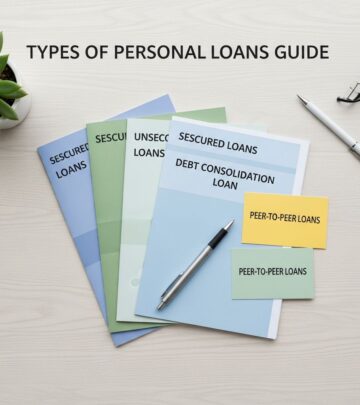
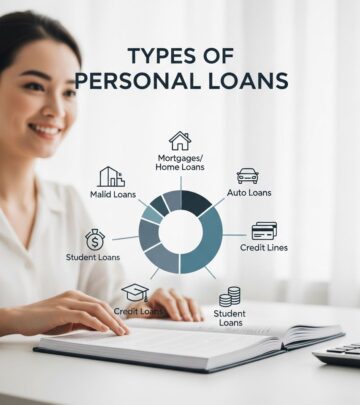
Personal loans aren’t one-size-fits-all; they divide into secured and unsecured categories, with further specializations like lines of credit or buy-now-pay-later setups.
| Type | Collateral Required | Typical Rates | Best For |
|---|---|---|---|
| Unsecured | No | Higher (due to risk) | Good credit borrowers needing quick cash |
| Secured | Yes (e.g., savings, CD) | Lower | Poor credit with assets to pledge |
| Debt Consolidation | Usually no | Competitive if rates beat existing debt | Multiple high-interest balances |
| Line of Credit | Sometimes | Variable | Ongoing or flexible needs |
Secured versions tie to assets like savings accounts, reducing lender risk and unlocking better terms, but defaulting means asset loss. Unsecured loans dominate, prioritizing credit history over possessions.
Strategic Applications for Personal Loans
Borrowers leverage these loans across life scenarios, prioritizing high-impact uses to maximize value.
- Debt relief: Merge credit cards or payday loans into one lower-rate payment, potentially saving thousands in interest.
- Home upgrades: Fund renovations that boost property value without tapping home equity lines.
- Medical crises: Cover unexpected bills when insurance falls short.
- Major events: Finance weddings, moves, or funerals without draining savings.
- Vehicle or appliance buys: Avoid high-interest auto financing for smaller purchases.
Avoid less optimal uses like routine spending or investments, as fees and rates can erode benefits.
Advantages That Make Personal Loans Appealing
These loans shine for their structure and accessibility, outperforming alternatives in key ways.
- Budget-friendly predictability: Fixed rates and payments eliminate surprises, unlike variable credit card minimums.
- Swift funding: Ideal for time-sensitive needs, with no collateral hassles for most.
- Cost efficiency: Average rates beat credit cards (often under 15% vs. 21%+), especially for strong profiles.
- Versatility: Few restrictions on fund use, empowering personal choice.
Banks like Wells Fargo highlight no-origination-fee options, further enhancing affordability.
Potential Drawbacks and Risk Mitigation
While powerful, personal loans carry costs and risks demanding caution.
- Origination fees: 1-8% of loan amount upfront, inflating total cost.
- Rate sensitivity: Poor credit means higher APRs, amplifying expenses.
- Early payoff penalties: Some lenders charge for settling ahead of schedule.
- Credit impact: Hard inquiries ding scores temporarily; missed payments harm long-term.
To counter, compare APRs (including fees), target lenders waiving extras, and ensure payments fit your debt-to-income ratio under 36%.
Navigating Eligibility and Approval Factors
Success hinges on lender criteria, centered on financial health.
- Credit score: 670+ FICO ideal for prime rates; sub-600 may need secured options.
- Income proof: Stable earnings via pay stubs or tax returns.
- Debt-to-income (DTI): Below 40% preferred.
- History: Low utilization and on-time payments boost odds.
Rejections? Cosigners or secured loans help, but build credit first via secured cards.
Fixed vs. Variable Rate Breakdown
Choosing between rate types affects long-term costs.
Fixed rates lock in payments, shielding against market hikes—perfect for extended terms. Most loans (90%+) follow this model.
Variable rates start lower but fluctuate with indexes like prime rate, suiting short-term borrows you can accelerate payoff.
| Aspect | Fixed Rate | Variable Rate |
|---|---|---|
| Payment Stability | High | Low |
| Initial Cost | Higher | Lower |
| Risk Level | Low | High |
Comparing Personal Loans to Alternatives
Versus credit cards, personal loans win on rates for larger sums; against home equity, they avoid property risks. Lines of credit offer draw-as-needed flexibility but variable costs.
Step-by-Step Guide to Securing a Personal Loan
- Evaluate needs: Calculate exact amount and purpose.
- Check credit: Free reports reveal starting point.
- Pre-qualify: Soft pulls from multiple lenders show offers sans score hit.
- Compare terms: Prioritize APR, fees, terms via aggregator sites.
- Apply: Submit docs; review full disclosure.
- Manage repayment: Automate payments; refinance if rates drop.
Frequently Asked Questions (FAQs)
Can I use a personal loan for anything?
Yes, with rare exceptions like tuition; common for debt, repairs, events.
How fast do personal loans fund?
Often same-day to 3 days post-approval.
Do personal loans build credit?
Yes, on-time payments boost scores via payment history (35% of FICO).
What’s a good personal loan APR?
Under 10% for excellent credit; 15-20% average.
Should I consolidate debt with a personal loan?
If new rate < current debts and you avoid new charges, yes.
Smart Borrowing in 2026: Final Tips
With rates stabilizing post-inflation, shop online lenders for competitive edges. Always project total costs: use calculators for scenarios. Responsible use—pairing loans with budgets—turns them into wealth-building tools, not traps.
References
- 8 types of personal loans and their uses — plus 5 to avoid — Bankrate. 2024. https://www.bankrate.com/loans/personal-loans/types-of-personal-loans/
- Personal Loans: Definition, Uses & More — California Credit Union. 2025. https://www.ccu.com/learn/banking-basics/what-is-a-personal-loan/
- What Can Personal Loans Be Used For? — PNC Insights. 2025. https://www.pnc.com/insights/personal-finance/borrow/what-can-personal-loans-be-used-for.html
- What Is a Personal Loan and How Does It Work? — National Council on Aging. 2025. https://www.ncoa.org/article/what-is-a-personal-loan-and-how-does-it-work/
- What is a personal loan? — Achieve. 2025. https://www.achieve.com/learn/personal-loans/what-is-a-personal-loan
- Ways to Use a Personal Loan — Wells Fargo. 2025. https://www.wellsfargo.com/personal-loans/uses-of-a-personal-loan/
Similar Articles








Read full bio of Sneha Tete