Unlocking Home Ownership: The Title Process
Navigate the essential title search, deed transfer, and insurance steps to secure clear ownership in your home buying journey.
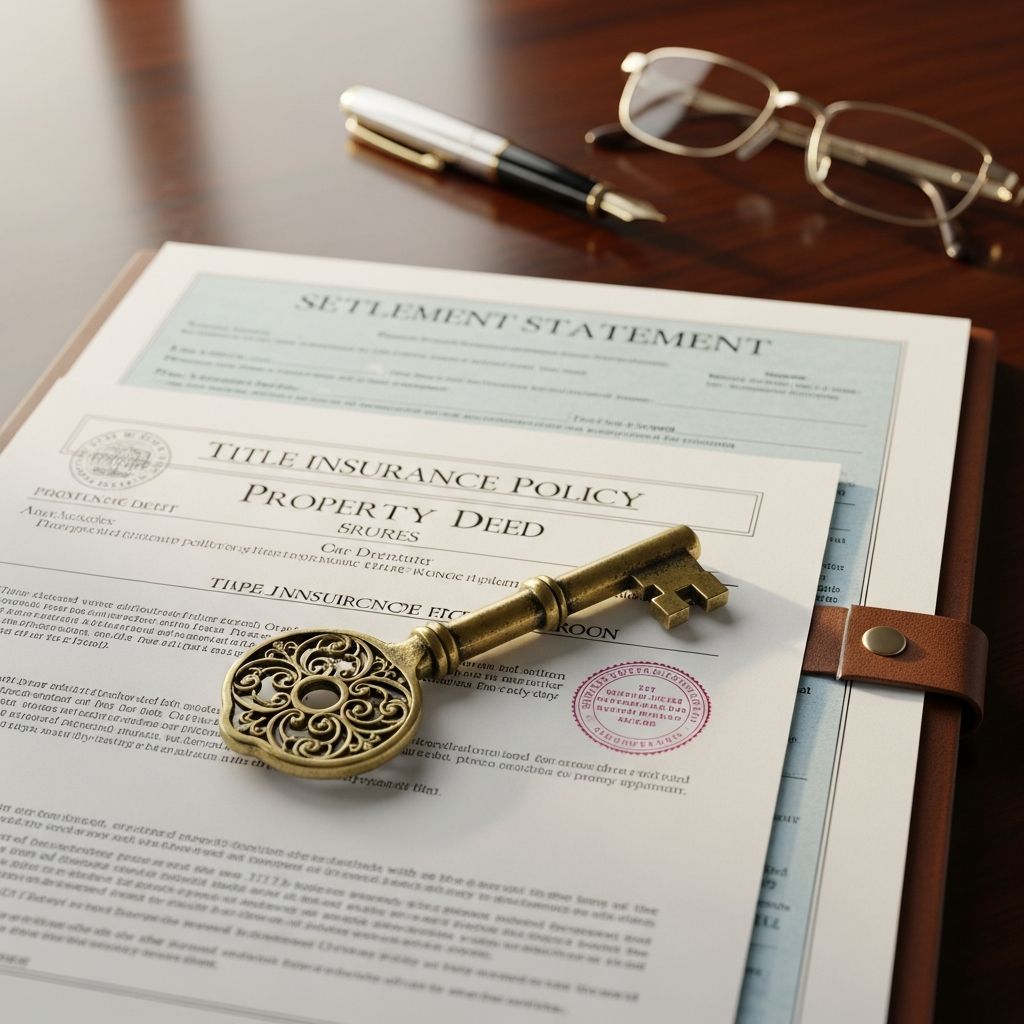
Acquiring a property involves more than selecting the perfect house; it requires verifying legal ownership rights through a meticulous title process. This ensures buyers receive unencumbered possession, free from past claims or debts. Understanding this foundational step empowers homebuyers to proceed confidently during real estate transactions.
Defining Property Title and Its Core Importance
A property title represents the legal right to own and control a piece of real estate. Unlike a physical document, it signifies bundled ownership rights that include possession, use, and transferability. When purchasing a home, the seller conveys this title to the buyer, typically via a deed recorded in public records.
The significance of a clear title cannot be overstated. It protects against unforeseen financial liabilities, such as unpaid taxes or contractor liens, which could force new owners into costly resolutions. Without proper validation, buyers risk losing their investment or facing prolonged legal disputes.
Tracing Ownership: The Comprehensive Title Search
The title search forms the cornerstone of due diligence in home purchases. Performed by a title company, attorney, or settlement agent, this investigation delves into public records spanning decades to construct the chain of title—a sequential record of every owner and transfer.
Examiners review deeds, mortgages, court filings, tax assessments, and probate documents. The goal is to confirm the seller’s authority to sell and identify any defects that could cloud ownership. This process usually occurs shortly after offer acceptance, taking about one week.
Common Title Defects and Resolutions
- Unpaid Taxes: Outstanding property levies must be settled before closing to prevent municipal claims on the new owner.
- Liens: Debts like mechanic’s liens from unpaid contractors attach to the property and require payoff or bonding.
- Judgments: Court-ordered debts against prior owners can encumber the title if not discharged.
- Easements or Restrictions: Legal rights allowing third-party access or usage limits, often from utilities or HOAs.
- Forged Documents or Fraud: Rare but serious issues like impersonated signatures demand quiet title actions.
Upon completion, the title company issues a commitment outlining exceptions and requirements for clearance. Buyers and lenders review this to negotiate solutions, such as seller concessions or escrow holds.
Securing Protection: Title Insurance Essentials
Title insurance serves as a safeguard against undiscovered defects post-closing. Unlike standard policies, it is a one-time premium covering future losses indefinitely. Lenders mandate a policy protecting their interest, while owner’s coverage—optional but advisable—shields personal equity.
| Policy Type | Coverage Focus | Typical Cost |
|---|---|---|
| Lender’s Policy | Protects mortgage lender from title risks | 0.5-1% of loan amount |
| Owner’s Policy | Shields buyer from losses due to defects | $1,000-$2,500 average |
| Enhanced Policies | Broader coverage for surveys, HOAs | 10-20% premium increase |
Premiums vary by location and purchase price, often negotiable between buyer and seller. This insurance mitigates risks like boundary disputes or heirship claims emerging years later.
Navigating the Deed: Transferring Ownership Rights
The deed is the tangible instrument effectuating title transfer. Signed by the seller (grantor), it names the buyer (grantee) and describes the property precisely. Common types include warranty deeds guaranteeing clear title and quitclaim deeds offering no assurances[10].
At closing, the deed is delivered, executed, and recorded with the county recorder’s office. Recording provides public notice, establishing priority against future claims. Failure to record leaves the buyer vulnerable to subsequent liens.
Deed Variations and When to Use Them
- General Warranty Deed: Full guarantees against all prior defects; standard for residential sales.
- Special Warranty Deed: Seller warrants only during their ownership; common in foreclosures.
- Quitclaim Deed: Transfers interest without warranties; used in family transfers or refinances.
Integrating Title into the Broader Closing Timeline
The title process interlocks with escrow, spanning 30-45 days post-offer acceptance. Key milestones include earnest money deposit, home inspection, appraisal, and final loan approval.
Pre-closing, the title commitment circulates for review. Lenders issue a Closing Disclosure three days prior, itemizing fees including title premiums. On closing day, parties convene—often at the title office—to sign documents amid wired funds disbursement.
- Review preliminary title report (1 week post-contract).
- Resolve exceptions via seller affidavits or payoffs.
- Conduct final walkthrough 24 hours before closing.
- Sign deed, mortgage, and disclosures at settlement.
- Record documents and disburse proceeds; receive keys.
Post-closing, the title company mails the final policy and deed copy, confirming insured ownership.
Risks of Skipping Title Due Diligence
Foregoing a thorough title examination invites peril. Buyers might inherit mechanic’s liens exceeding $50,000 or face eviction from undisclosed easements. Historical cases reveal fraud where forged deeds stripped ownership, underscoring insurance’s value.
First-time buyers should engage reputable title professionals early. Real estate agents coordinate with escrow officers to streamline communication and preempt delays.
State Variations in Title Handling
Practices differ by jurisdiction. Attorney states like Missouri mandate legal oversight for searches and closings, while escrow states rely on title companies. Some require surveys; others use affidavits. Buyers must adapt to local customs for compliance.
Cost Breakdown: Budgeting for Title Services
Expect 0.5-1% of purchase price for combined search, exam, and insurance. Itemized fees cover recording ($50-200), escrow handling ($300-800), and endorsements. Shop multiple quotes, as sellers often cover lender policies.
Frequently Asked Questions
What triggers a title search?
It begins after mutual acceptance, typically within days, to align with the 30-45 day escrow period.
Can I perform my own title search?
While public records are accessible, professionals ensure comprehensive coverage and legal interpretation; DIY risks oversights.
How long does title insurance last?
Owner policies endure as long as ownership, with no renewals needed.
What if a defect arises after closing?
File a claim with your insurer, who defends title and compensates losses up to policy limits.
Who pays for title insurance?
Customary splits vary: buyers often cover owner’s, sellers lender’s; negotiate per contract.
Empowering Your Purchase: Next Steps
Armed with title knowledge, buyers can demand transparency and protections. Consult lenders for bundled services and agents for vendor recommendations. A vetted title process fortifies your path to unassailable homeownership.
References
- Home Buying Process Timeline: 17 Steps Every Buyer Should Know — Redfin. 2023. https://www.redfin.com/blog/home-buying-process-timeline/
- Understanding the Title Process — Fannie Mae. 2024. https://yourhome.fanniemae.com/understanding-title-process
- What Every First-time Homebuyer Should Know About Title and Escrow — Endpoint. 2024. https://endpoint.com/closing-guide/first-time-homebuyer-know-title-escrow
- Closing on a House: A Step-By-Step Buyer’s Guide — Century 21 Affiliated. 2024-12-10. https://c21affiliated.com/2024/12/10/closing-on-a-house-a-step-by-step-buyers-guide
- Missouri Homebuying and Closing Process — Amitree. 2024. https://www.amitree.com/resources/real-estate/missouri-homebuying-and-closing-process/
- House title: What you need to know — Rocket Mortgage. 2024. https://www.rocketmortgage.com/learn/house-title
Similar Articles








Read full bio of Sneha Tete