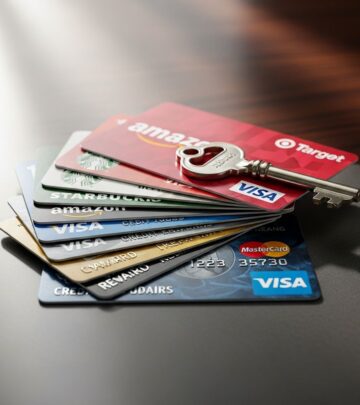
Unlocking Grocery Rewards on Credit Cards
Discover how to maximize cash back and points on everyday grocery shopping with the right credit card strategies and merchant rules.

Grocery shopping represents a significant portion of household budgets, and credit cards offering enhanced rewards in this category can substantially reduce costs through cash back, points, or miles. These programs categorize purchases based on merchant types rather than specific items, enabling consistent earnings on food, household essentials, and more when using qualifying cards.
Understanding Rewards Categories for Food Shopping
Credit card issuers define grocery rewards through specific merchant category codes (MCCs), primarily using code 5411 for supermarkets and grocery stores assigned by networks like Visa and Mastercard. This classification focuses on the store’s primary business rather than individual products bought, meaning cleaning supplies or snacks purchased at a supermarket typically qualify for bonus rates.
Most grocery bonus cards provide elevated returns—often 2% to 6% cash back—on eligible transactions up to annual or quarterly caps. Beyond flat-rate cards, some feature rotating categories requiring activation for quarterly boosts, while others tie rewards to online orders or delivery services from approved merchants.
- Bonus rates apply to supermarkets, delis, bakeries, and smaller grocers with MCC 5411.
- Online grocery platforms and pickup services often qualify if sourced from grocery merchants.
- Rewards accrue as cash back (statement credits or deposits), points, or miles redeemable for travel or purchases.
Merchant Category Codes: The Hidden Key to Bonuses
MCCs determine eligibility, with grocery stores standardized under 5411. Cardholders can verify codes on statements or issuer tools, as discrepancies arise if a merchant’s code doesn’t align with expectations. Issuers do not control these codes; merchants select them based on primary sales.
For instance, a store selling mostly groceries will trigger bonuses, even for non-food items. Conversely, mixed retailers may code differently, leading to base rates instead of bonuses. Always review your card’s terms, as exclusions vary by issuer.
Stores That Qualify and Those That Don’t
Traditional supermarkets like Kroger, Safeway, or Publix reliably earn bonuses due to their grocery-focused MCC. Smaller independents and specialty shops (e.g., meat markets, dairy stores) often qualify too.
However, superstores and clubs frequently fall short:
| Eligible Store Types | Ineligible Store Types |
|---|---|
| Supermarkets (e.g., Kroger) | Superstores (e.g., Walmart, Target) |
| Local grocers & delis | Wholesale clubs (e.g., Costco, Sam’s) |
| Online grocery from supermarkets | Convenience stores & pharmacies |
| Bakeries & seafood markets | Discount chains with mixed goods |
Wholesale clubs like Costco earn club-specific rewards on some cards but not standard grocery bonuses. Superstores code as discount stores (MCC 5310), yielding only base rates.
Top Credit Cards for Grocery Rewards
Select cards excel in this category, balancing high rates with reasonable caps and perks. Here’s a comparison of standout options:
| Card Name | Grocery Rate | Cap/Limit | Key Exclusions | Other Perks |
|---|---|---|---|---|
| Blue Cash Preferred® from Amex | 6% cash back | $6,000/year | Superstores, clubs | Disney Bundle credits |
| Chase Sapphire Preferred® | 3x points (online) | None specified | Walmart, Target | Travel protections |
| Bank of America® Customized Cash | 2% (or 3% Preferred) | $2,500/quarter | None (includes clubs) | Flexible categories |
| Capital One Savor | 3% cash back | None | Superstores | Entertainment bonuses |
| Costco Anywhere Visa® by Citi | 2% (at Costco) | None | Other clubs | Gas rewards |
Bank of America uniquely includes wholesale clubs, making it versatile for bulk shoppers. Activation is needed for quarterly caps on cards like Chase Freedom Flex®.
Issuer-Specific Rules for Maximizing Earnings
Chase Freedom and Sapphire Cards
Chase categorizes full-service grocers with delis and bakeries as eligible, extending to delivery from grocery merchants. Online purchases qualify on select cards, excluding superstores. Rotating categories can hit 5% with activation.
American Express Blue Cash Options
Amex targets U.S. supermarkets, rewarding up to high annual limits before dropping to 1%. Delivery and pickup from supermarkets count, but superstores do not.
Bank of America and Capital One
Bank of America embraces a broad definition, incorporating clubs and specialty food stores. Capital One focuses on supermarkets and dairy, excluding big-box retailers.
Citi’s Costco card prioritizes warehouse shopping at base grocery-like rates elsewhere.
Online and Delivery: Modern Grocery Rewards
E-commerce has transformed shopping, with many cards now rewarding Instacart, Amazon Fresh (if grocery-coded), and grocer apps. Chase includes pickup/delivery if merchant-coded correctly. Verify MCC for third-party services, as some code as general retail.
- Eligible: Orders from supermarkets via apps.
- Potential exclusions: Services from ineligible merchants.
- Tip: Check statements post-purchase for correct categorization.
Strategies to Boost Your Grocery Savings
Combine cards for coverage: Use a high-rate grocery card at supermarkets and a flat-rate elsewhere. Track quarterly caps and activate bonuses. Pair with store loyalty for compounded discounts.
Monitor statements for MCC errors—contact issuers if miscoded. Welcome bonuses often require grocery spending, accelerating rewards.
- Review card terms annually for updates.
- Shop at confirmed eligible merchants.
- Redeem cash back promptly for groceries.
Frequently Asked Questions
Do cleaning supplies earn grocery rewards?
Yes, if bought at a grocery-coded merchant; rewards are store-based, not item-specific.
Why doesn’t Walmart count as a grocery store?
Walmart uses discount store MCC (5310), not 5411, per issuer rules.
Can I earn bonuses on alcohol purchases?
Typically yes, at eligible grocers, unless card excludes it.
What if my favorite store is miscoded?
Appeal via issuer support with receipts; success varies.
Are international groceries rewarded?
Most cards limit U.S. supermarkets; check terms.
Potential Pitfalls and How to Avoid Them
Caps limit earnings—e.g., Amex’s $6,000/year—after which rates drop. Quarterly choices require management. Superstore habits forfeit bonuses; redirect spending strategically. Always pay balances to avoid interest eroding rewards.
In summary, mastering MCCs and issuer definitions unlocks substantial value from routine shopping. Select cards aligning with your habits for optimal returns.
References
- What is a Grocery Rewards Credit Card? — SoFi. 2023. https://www.sofi.com/learn/content/what-is-a-grocery-rewards-credit-card/
- Do All Grocery Store Purchases Earn Grocery Cash Back Rewards? — Bankrate. 2024-03-15. https://www.bankrate.com/credit-cards/rewards/grocery-store-purchases-and-cash-back-rewards/
- Guide to Maximizing Rewards on Grocery Store Purchases — Chase. 2025. https://www.chase.com/personal/credit-cards/education/rewards-benefits/maximize-rewards-on-groceries
- How do credit card issuers define grocery purchases? — CardRatings. 2024-02-10. https://www.cardratings.com/rewards/how-do-credit-card-issuers-define-grocery-purchases.html
- How to ensure you earn bonus points for grocery purchases — The Points Guy. 2024-01-20. https://thepointsguy.com/credit-cards/grocerys-stores-vs-supermarkets-bonus-category/
Similar Articles








Read full bio of medha deb