Unlocking Financial Freedom: Credit Counseling Explained
Discover how professional credit counseling can transform your debt struggles into a clear path to stability and long-term financial wellness.
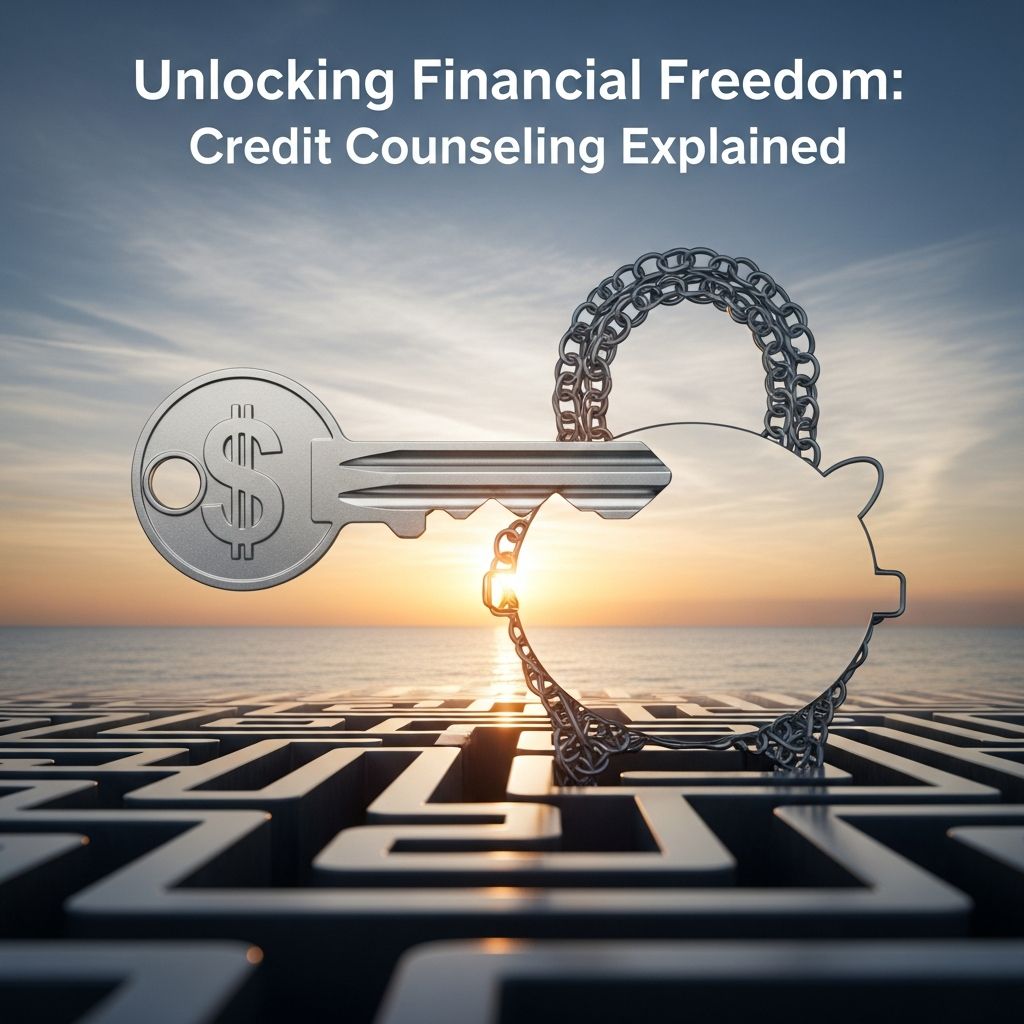
Credit counseling serves as a vital lifeline for individuals overwhelmed by debt, providing expert guidance to regain control over personal finances. These services, often delivered by certified nonprofit professionals, analyze your income, expenses, and obligations to craft customized strategies for repayment and stability.
Understanding the Essence of Credit Counseling
At its core, credit counseling involves a thorough evaluation of your financial landscape by trained experts who identify root causes of debt accumulation. Unlike quick-fix solutions, it emphasizes sustainable habits through one-on-one sessions that review budgets, spending patterns, and credit utilization. Counselors may recommend tools like debt management programs (DMPs), where multiple debts consolidate into a single payment, potentially with negotiated lower interest rates from creditors.
This process not only addresses immediate pressures but also equips you with knowledge to prevent recurrence. Sessions can occur in-person, over the phone, or online, making them accessible for diverse needs such as credit card debt, student loans, or housing-related challenges.
Key Advantages That Set Credit Counseling Apart
Credit counseling delivers multifaceted benefits, transforming chaotic finances into structured progress. Here’s a breakdown of its primary impacts:
- Streamlined Repayment Through DMPs: Counselors negotiate with lenders to merge debts into one affordable monthly installment, often securing rate reductions and fee waivers. This can shorten payoff timelines from decades to 3-5 years.
- Enhanced Financial Knowledge: Participants gain skills in budgeting, saving, and smart credit use, fostering lifelong independence. Studies show 70% report boosted confidence post-counseling.
- Stress Alleviation: Professional support reduces anxiety by providing a clear roadmap, allowing focus on daily life rather than bill juggling.
- Credit Score Recovery: Consistent DMP payments build positive history, unlike settlement options that may harm scores.
- Bankruptcy Avoidance: Many explore alternatives that preserve assets and credit integrity.
These advantages make it ideal for those able to make payments but needing organization, particularly with unsecured debts like cards.
Comparing Credit Counseling to Other Debt Solutions
To choose wisely, understand distinctions from alternatives. The table below highlights key differences:
| Option | Approach | Credit Impact | Cost | Best For |
|---|---|---|---|---|
| Credit Counseling | Education + DMP negotiation | Positive over time | Low/no fee nonprofits | Manageable payments, learning habits |
| Debt Settlement | Negotiate lump-sum reductions | Often negative | Fees on settled amount | High unsecured debt, can’t pay full |
| Debt Consolidation Loan | Single loan refinances debts | Neutral if paid on time | Interest on new loan | Good credit for loan approval |
| Bankruptcy | Court discharges debts | Severe long-term damage | Court/filing fees | Extreme hardship, no other options |
Credit counseling shines for its low risk and educational focus, preserving credit while tackling root issues.
Who Benefits Most from These Services?
This aid suits various scenarios beyond just credit cards. Common users include:
- Those trapped in paycheck-to-paycheck cycles seeking budgeting overhaul.
- Individuals facing foreclosure or mortgage woes, with counselors aiding payment plans.
- Post-disaster recoverers rebuilding after losses.
- Student loan borrowers needing repayment strategy tweaks.
- Anyone desiring proactive credit health without drastic measures.
Even if debt-free, it builds foundational skills for future security.
Steps to Engage a Credit Counseling Service
Getting started is straightforward:
- Research Reputable Agencies: Prioritize nonprofits accredited by bodies like the National Foundation for Credit Counseling (NFCC). Check reviews, certifications, and fee transparency.
- Schedule Initial Consultation: Free sessions review your finances confidentially.
- Review Proposed Plan: Ensure it fits your budget; no obligation to enroll in DMPs.
- Implement and Monitor: Make payments via the agency; track progress monthly.
- Graduate Successfully: Complete the program debt-free with improved habits.
Expect fees of $0-50 monthly, often waived for hardship.
Real-World Outcomes and Statistics
Data underscores effectiveness: A 2016 NFCC report found 73% of clients paid debts more consistently post-counseling. DMPs frequently yield interest savings in thousands, accelerating freedom. Long-term, users report sustained wellness, avoiding cycles that trap millions annually.
Frequently Asked Questions (FAQs)
Is credit counseling free?
Many nonprofits offer initial sessions at no cost, with nominal fees for ongoing DMPs covered by donations or low charges.
Will it hurt my credit score?
No—enrollment doesn’t appear on reports; timely payments actually improve it.
How long does a DMP last?
Typically 3-5 years, tailored to your ability.
Can I still use credit cards in counseling?
Usually, agencies close accounts to focus on payoff, but secured options may remain.
Is it only for severe debt?
No, it’s valuable for education even with moderate issues.
Building Lasting Habits Beyond Counseling
Post-program success hinges on applying lessons: Track expenses daily, maintain emergency funds covering 3-6 months’ costs, and limit credit to 30% utilization. Regularly review reports for errors. These practices solidify gains, turning temporary aid into permanent empowerment.
Ultimately, credit counseling isn’t a bailout but a bridge to autonomy. By partnering with experts, you decode finances, negotiate better terms, and emerge resilient.
References
- The Benefits of Credit Counseling — GreenPath Financial Wellness. 2023. https://www.greenpath.com/blog/credit/the-benefits-of-credit-counseling/
- What is Credit Counseling and How Can It Help? — National Debt Relief. 2024. https://www.nationaldebtrelief.com/es/blog/debt-guide/debt-relief/what-is-credit-counseling-and-how-can-it-help/
- The Benefits of Credit Counseling as an Alternative to Debt Settlement — McCarthy Lawyer. 2024-10-17. https://mccarthylawyer.com/2024/10/17/the-benefits-of-credit-counseling-as-an-alternative-to-debt-settlement/
- The Benefits of Using a Credit Counseling Service — CCCS of NE Iowa. 2023. https://www.cccsofiowa.org/about/blog/the-benefits-of-using-a-credit-counseling-service
- How Credit Counseling Can Help with Managing Debt — Bank of America Better Money Habits. 2025. https://bettermoneyhabits.bankofamerica.com/en/debt/credit-counseling
- Guide To Credit Counseling — Bankrate. 2025. https://www.bankrate.com/personal-finance/credit/guide-to-credit-counseling/
- What is the difference between credit counseling and debt settlement, debt consolidation, or credit repair? — Consumer Financial Protection Bureau (CFPB). 2024. https://www.consumerfinance.gov/ask-cfpb/what-is-the-difference-between-credit-counseling-and-debt-settlement-debt-consolidation-or-credit-repair-en-1449/
Similar Articles








Read full bio of Sneha Tete