Unlocking Financial Doors: The Power of Your Credit Report
Discover how your credit report shapes your financial future, from securing loans to protecting against fraud and boosting everyday opportunities.

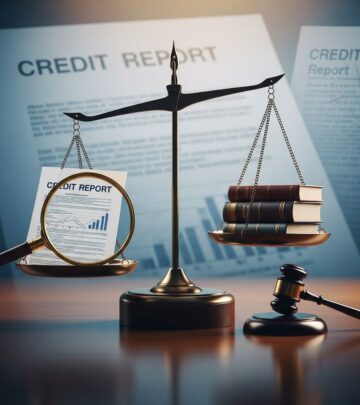
Your credit report serves as a comprehensive record of your financial behavior, influencing everything from loan approvals to rental agreements. It empowers lenders, employers, and service providers to assess your reliability, directly impacting your ability to achieve major life goals like homeownership or career advancement.
Understanding the Anatomy of a Credit Report
A credit report is essentially a detailed ledger of your borrowing activities. It tracks accounts such as credit cards, mortgages, auto loans, and installment loans, recording key details like account opening dates, credit limits or loan amounts, and payment histories spanning up to a decade. Positive entries reflect on-time payments and responsible usage, while negative marks include delinquencies (late payments by 30, 60, or 90 days), collections, repossessions, foreclosures, and bankruptcies.
Three major bureaus—Equifax, Experian, and TransUnion—compile these reports independently, drawing data from lenders and creditors. Although similar, variations can occur due to differing information sources, making it vital to review all three periodically.
Key sections typically include:
- Personal Information: Name, address, Social Security number, and employment details (though not income).
- Account Summaries: Balances, status (open/closed), and payment records.
- Public Records: Bankruptcies, liens, or judgments.
- Inquiries: Hard inquiries from applications and soft inquiries from checks.
How Credit Reports Fuel Credit Scores
Credit scores, numerical summaries ranging from 300 to 850, are derived directly from your credit report data using models like FICO and VantageScore. Higher scores signal lower risk, unlocking favorable terms.
| Factor | FICO Weight | Description |
|---|---|---|
| Payment History | 35% | Tracks on-time vs. late payments; most influential factor. |
| Credit Utilization | 30% | Ratio of balances to limits; aim below 30%. |
| Length of History | 15% | Age of oldest and average accounts; longer is better. |
| Credit Mix | 10% | Diversity of accounts (revolving vs. installment). |
| New Credit | 10% | Recent inquiries and new accounts; too many hurt scores. |
Maintaining low utilization and consistent payments can elevate your score, demonstrating fiscal discipline to potential creditors.
Everyday Impacts: Loans, Housing, and Beyond
Your credit report profoundly affects major financial decisions. Lenders scrutinize it to approve loans and set interest rates; a strong report means lower APRs, potentially saving thousands over a loan’s life. For instance, on a $300,000 mortgage, a 100-point score difference could reduce payments by hundreds monthly.
Housing providers, including landlords and utilities, often require credit checks. Poor reports lead to higher deposits or denials. Even employment can hinge on it—certain roles in finance or security demand clean records.
- Auto Loans: Better scores yield lower rates and larger approvals.
- Rentals: Indicates rent payment reliability.
- Insurance: Influences premiums; poor credit correlates with higher claims risk.
- Utilities/Cell Service: Waives deposits for high scores.
Protecting Your Finances: Fraud Detection and Prevention
Regularly reviewing your credit report is your first line of defense against identity theft. Suspicious entries—like unfamiliar accounts or inquiries—signal fraud early, allowing swift action to freeze credit and dispute items. The Consumer Financial Protection Bureau emphasizes that early detection minimizes damage and hassle.
Fraudsters exploit stolen data for unauthorized loans or purchases, tarnishing your record until resolved. Annual free reports via AnnualCreditReport.com, plus weekly access post-COVID, enable proactive monitoring without score impacts (soft inquiries only).
Steps to Access and Maintain a Stellar Credit Report
Obtaining your report is straightforward and free. Visit AnnualCreditReport.com for reports from all three bureaus weekly. Dispute errors online, by phone, or mail—bureaus must investigate within 30 days.
To build and sustain a robust report:
- Pay Bills Promptly: Set autopay for consistency.
- Limit New Applications: Space out hard inquiries.
- Keep Utilization Low: Pay down balances before statements close.
- Diversify Wisely: Mix credit types without overextending.
- Update Info: Notify bureaus of address changes.
Positive aging helps; closed accounts in good standing remain beneficial for up to 10 years.
Common Myths and Realities About Credit Reports
Misconceptions abound. Unlike popular belief, credit reports don’t list income or medical history. Inquiries don’t plummet scores long-term—effects fade in months. Closed accounts aren’t erased immediately; they persist if positive.
| Myth | Reality |
|---|---|
| Checking your report hurts your score. | Only hard inquiries do; self-checks are soft. |
| Old negatives vanish quickly. | Bankruptcies stay 7-10 years; delinquencies 7 years. |
| More cards always boost scores. | Too many signal risk if utilization rises. |
Long-Term Strategies for Credit Excellence
Cultivating excellent credit is a marathon. Start young with secured cards or student loans. Avoid maxing limits—request increases instead. For rebuilding post-setbacks, secured cards and credit-builder loans help without high risk.
Monitor via free tools from bureaus or apps, but verify accuracy against official reports. Consistent habits yield compounding benefits, like premium rewards cards or elite loan terms.
Frequently Asked Questions (FAQs)
How often should I check my credit report?
Weekly for free via AnnualCreditReport.com; more if applying for credit or suspecting issues.
Does closing a card improve my score?
Often not—it shortens history and may hike utilization.
Can I remove accurate negatives?
No, but time heals; most drop after 7 years.
Do all lenders see the same report?
No, they pull from one or more bureaus.
Is credit repair legit?
DIY is free and effective; beware scams promising deletions.
References
- What is a credit report? — Consumer Financial Protection Bureau. 2023-10-01. https://www.consumerfinance.gov/ask-cfpb/what-is-a-credit-report-en-309/
- Why Credit Reports and Scores Matter to Your Financial Health — National Urban League. 2024-05-15. https://nul.org/blog/your-credit-why-credit-reports-and-scores-matter-your-financial-health
- What Is a Credit Report and Why Does It Matter? — Credible. 2025-02-20. https://www.credible.com/personal-finance/what-is-a-credit-report
- What Is a Credit Report and Why Is it Important? — American Express. 2024-11-10. https://www.americanexpress.com/en-us/credit-cards/credit-intel/what-is-credit-report/
- Why does your credit, credit score, and credit report matter? — Principal Financial Group. 2025-01-05. https://www.principal.com/individuals/learn/what-credit-score-and-how-do-you-improve-yours
- Understanding Your Credit — Federal Trade Commission. 2024-08-12. https://consumer.ftc.gov/articles/understanding-your-credit
Similar Articles








Read full bio of Sneha Tete