Credit Tradelines: 5 Strategic Ways To Boost Your Score
Discover how credit tradelines shape your financial profile and strategies to leverage them for stronger credit health.

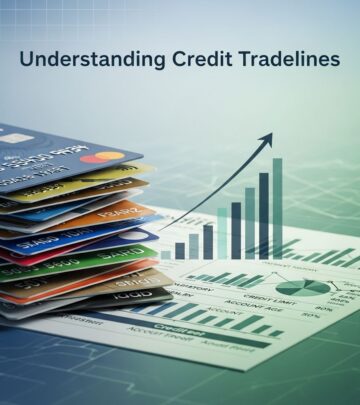
Credit tradelines represent the individual accounts listed on your credit report, serving as the foundation for calculating your credit score and demonstrating your financial reliability to lenders. These entries provide a detailed record of your borrowing and repayment behaviors across various accounts.
Defining Credit Tradelines in Modern Finance
At its core, a credit tradeline is any credit account that appears on your credit report, encompassing credit cards, loans, and lines of credit reported by creditors to major bureaus like Equifax, Experian, and TransUnion. Each tradeline includes critical data points such as account opening date, payment status, balance, and credit limit, which collectively paint a picture of your credit management skills.
Unlike a single credit score, which summarizes your creditworthiness, tradelines offer granular insights. Lenders scrutinize them to evaluate risk before approving new credit. For instance, a history of consistent payments across multiple tradelines signals dependability, while delinquencies can hinder access to favorable terms.
Key Components of a Tradeline Profile
Every tradeline contributes specific elements that influence credit evaluations:
- Payment History: Tracks whether payments were made on time, late, or missed. This factor weighs most heavily, often comprising 35% of FICO scores.
- Account Age: The length of time an account has been open affects perceived stability; older accounts bolster scores by showing long-term responsibility.
- Credit Utilization: Ratio of current balances to credit limits. Keeping this below 30% is advisable for optimal scoring.
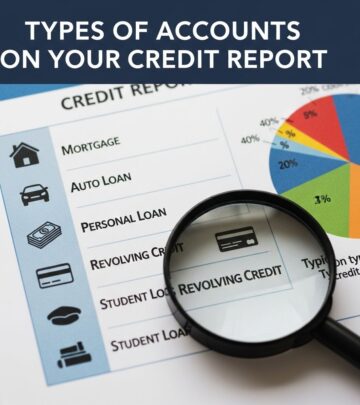
- Account Type: Mix of revolving (e.g., cards) and installment (e.g., loans) credits demonstrates versatility in handling debt.
These components are aggregated across all tradelines to generate scores used by FICO and VantageScore models. Without at least one active tradeline in the past six months, no score is calculable.
Types of Credit Tradelines Explained
Tradelines vary by ownership and reporting, each offering unique advantages for credit building.
Primary Tradelines
These are accounts you directly open and manage, such as personal credit cards or auto loans. They form the backbone of your credit file, with your payment activity solely reflecting your habits. Primary tradelines are ideal starters for those with thin files, as timely management directly enhances scores.
Authorized User Tradelines
As an authorized user on someone else’s account, you gain the benefit of that tradeline’s history without primary responsibility. Positive histories from seasoned accounts can rapidly elevate scores, potentially by 50-250 points for those with limited credit, though negatives transfer risks too. Selection matters: prioritize low-utilization, aged accounts with flawless payments.
Vendor and Trade Tradelines
Common in business contexts but applicable personally, these involve supplier accounts with terms like Net-30, allowing purchases with deferred payments. They build credit through reported on-time invoice settlements, often requiring minimal upfront credit checks.
| Type | Pros | Cons | Best For |
|---|---|---|---|
| Primary | Full control; direct history building | Requires approval; personal liability | New credit builders |
| Authorized User | Quick score boost; no payments needed | Risk of negative spillover; temporary | Thin files |
| Vendor/Trade | Easy access; business-friendly | Limited to purchases; varying reports | Business credit |
How Tradelines Drive Credit Score Improvements
Tradelines directly feed into the five major FICO score factors. Payment history dominates at 35%, where on-time tradeline payments across accounts solidify a strong profile. Length of credit history (15%) favors aged tradelines, signaling experience.
Credit utilization (30%) improves with more tradelines increasing total available credit, diluting usage ratios. A diverse mix (10%)—revolving and installment—shows adaptability. New credit (10%) cautions against too many recent inquiries tied to fresh tradelines.
Real-world impacts include faster approvals for mortgages or cards. Businesses with robust tradelines secure better loan rates and supplier discounts, enhancing cash flow.
Strategic Ways to Build Credit Using Tradelines
Intentional tradeline management accelerates credit growth.
- Select Reporting Accounts: Confirm creditors report to all three bureaus before opening.
- Diversify Portfolio: Balance cards, loans, and vendor lines for a healthy mix.
- Maintain Low Utilization: Pay balances promptly to stay under 30%.
- Preserve Age: Avoid closing old accounts; they anchor history.
- Monitor Regularly: Use free reports to verify accuracy and dispute errors.
For quick wins, add high-quality authorized user positions, but pair with primary activity for sustainability. Businesses can stack Net-30 vendor accounts, reporting payments to build separate profiles.
Potential Pitfalls and Risks of Tradelines
While powerful, mismanagement harms scores. Late payments on any tradeline scar histories for seven years. High utilization spikes ratios, dropping scores temporarily.
Authorized user risks include inheriting poor histories if the primary holder falters. Fraudulent tradelines warrant disputes for removal. Over-reliance on purchased tradelines skirts ethical lines and may violate lender terms.
Business tradelines rarely cross to personal reports unless personally guaranteed, risking separation failure. Always prioritize genuine usage over shortcuts.
Removing or Managing Problematic Tradelines
Inaccurate or outdated tradelines can be challenged via bureau disputes. Fraud victims should file reports promptly for excision. Cosigners released from obligations may see score shifts based on prior data.
Strategic closures target newest, lowest-limit accounts to preserve age and utilization. Pay down high-balance tradelines first for utilization gains.
Real-World Applications for Individuals and Businesses
Individuals leverage tradelines for rentals, utilities, or loans sans traditional credit. Businesses use them for vendor credit, easing expansion without equity dilution. Strong profiles unlock lines of credit at preferential rates.
Case in point: New entrepreneurs report 50% score jumps in months via vendor tradelines and timely pays. Long-term, diverse portfolios negotiate superior supplier terms.
Frequently Asked Questions
What counts as a tradeline?
Any reported credit account, including cards, loans, and certain vendor lines.
Do all accounts report to credit bureaus?
No; verify with providers, as not all do.
Can tradelines hurt my score?
Yes, via late pays, high use, or negatives from shared accounts.
How many tradelines for good credit?
Quality trumps quantity; aim for 3-5 diverse, positive ones.
Are authorized user tradelines safe?
When vetted, yes; risks exist with poor primary management.
Advanced Tactics for Credit Optimization
Layer tradelines thoughtfully: Start with secured cards as primaries, add authorized users for age, then vendor lines for mix. Track via apps syncing bureau data. For businesses, separate EIN profiles prevent personal bleed.
Season accounts by light usage before heavy reliance. Simulate changes with score tools to predict impacts. Consistency yields compounding gains over time.
References
- Business Tradelines: How They Help Build Credit — OnDeck. 2023-2024. https://www.ondeck.com/resources/business-tradelines
- What Are Tradelines and How Do They Affect You? — Experian. 2024-01-15. https://www.experian.com/blogs/ask-experian/what-are-tradelines/
- Guide To Tradelines That Quickly Build Your Business Credit — Nav. 2024-05-20. https://www.nav.com/blog/tradelines-that-build-credit-2671164/
- Credit Tradelines: Risk and Alternatives — CreditSuite. 2024-03-10. https://www.creditsuite.com/blog/credit-tradelines/
- What Is a Credit Tradeline? — American Express. 2024-06-01. https://www.americanexpress.com/en-us/credit-cards/credit-intel/credit-tradelines/
Similar Articles








Read full bio of medha deb