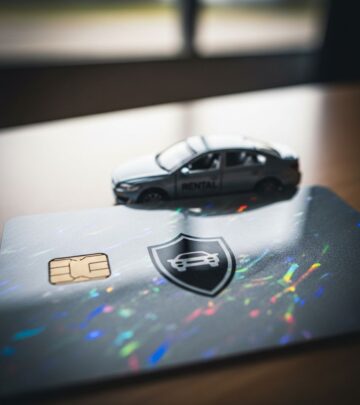
Unlocking Credit Card Rental Car Coverage
Discover how credit card perks can shield your rental car trips from unexpected costs, saving you money on insurance.

Credit card rental car insurance provides a valuable layer of protection for the vehicle you rent, often covering damage or theft without the need to purchase expensive options from the rental agency. This benefit, commonly called an Auto Rental Collision Damage Waiver (CDW), activates under specific conditions and can save travelers hundreds of dollars per trip.
Understanding the Fundamentals of Credit Card Rental Protection
At its core, this perk reimburses costs associated with physical harm to the rental vehicle or its theft. It typically does not extend to liability for injuries, personal property inside the car, or medical bills, so travelers must rely on other policies for those risks. Major issuers like Visa include this as a standard feature when you pay fully with an eligible card.
To engage the benefit, follow these essential steps:
- Pay the full rental cost using the qualifying credit card.
- Decline the rental company’s collision or loss damage waiver at the counter.
- Ensure all authorized drivers are listed on the rental agreement.
- Verify eligibility by contacting the card’s benefits administrator beforehand.
Failing any of these can void the protection, leaving you exposed to full repair costs.
Primary Coverage vs. Secondary Coverage: Key Differences
Credit cards offer two main types of rental protection, each with distinct implications for claims processing. Primary coverage steps in first, bypassing your personal auto policy entirely, while secondary acts as a backup.
| Feature | Primary Coverage | Secondary Coverage |
|---|---|---|
| How it Applies | Pays before personal auto insurance | Pays after personal auto insurance (or converts to primary if none exists) |
| Advantages | Avoids deductibles and premium hikes | Covers deductibles and gaps; more widely available |
| Prevalence | Less common, premium cards only | Standard on most cards |
| Example Cards | Chase Sapphire Reserve (select) | Capital One Venture, Amex Platinum |
Primary is ideal for avoiding interactions with your insurer, potentially preventing rate increases after a claim. Secondary, though more prevalent, requires filing with your auto policy first, which can be time-consuming.
What Expenses Does It Actually Cover?
This insurance primarily targets the rental car’s well-being, reimbursing for:
- Collision damage from accidents.
- Theft of the entire vehicle.
- Towing fees post-incident.
- Loss-of-use charges, compensating the agency for downtime during repairs.
Some policies also handle administrative fees or valid towing costs, but limits apply—often up to $50,000-$75,000 per incident, depending on the card. It never covers liability, personal injuries, or belongings, emphasizing the need for comprehensive travel planning.
Common Exclusions and Limitations to Watch For
Not every rental qualifies; issuers impose strict boundaries to manage risk. Key exclusions include:
- Vehicle Types: Luxury/exotic cars, trucks, motorcycles, large passenger vans, or antiques.
- Rental Duration: Typically capped at 15-31 days domestic/international; longer rentals void coverage.
- Geographic Limits: Prohibited in countries like Australia, Ireland, Italy, Israel, Jamaica, New Zealand.
- Other: Peer-to-peer rentals, car-sharing services, or if you accept the agency’s waiver.
Always review your card’s guide to benefits for precise terms, as variations exist by issuer.
Steps to Verify and Activate Your Card’s Benefits
Before heading to the rental counter, perform this checklist:
- Call the benefits hotline or check online for your card’s specifics.
- Confirm primary/secondary status and coverage limits.
- Note excluded countries and vehicle classes for your trip.
- Print or save the benefits document as proof if needed.
During rental:
- Explicitly decline CDW/LDW.
- Use the card for 100% payment.
- Inspect and document the car’s condition with photos.
Post-incident, file claims promptly—usually within 20-60 days—via the issuer’s portal or phone.
Comparing Coverage Across Popular Issuers
Different networks provide varying perks:
- Visa: Automatic theft/damage coverage up to the vehicle’s value when paying fully.
- Chase: Primary on premium cards like Sapphire Reserve for rentals up to 31 days.
- American Express: Secondary on many cards; requires full payment and waiver decline.
- Capital One: Often primary abroad; excludes certain high-risk vehicles.
Premium annual-fee cards tend to offer superior terms.
When to Skip Rental Agency Insurance Entirely
For most domestic leisure trips, personal auto policies plus credit card secondary coverage suffice, avoiding the $20-50 daily agency fee. State Farm notes it’s often redundant for personal travel. However, buy agency coverage if:
- Renting abroad in excluded countries.
- No personal auto insurance (e.g., international visitors).
- High-value or excluded vehicle types.
- Seeking liability protection.
Real-World Claim Scenarios and Tips
Imagine scraping a rental SUV in a parking garage: Secondary coverage reimburses your $500 deductible after your auto claim; primary handles it directly up to limits. For theft, provide police reports and rental docs for swift reimbursement.
Pro tips:
- Combine with travel insurance for broader protection.
- Use apps to scan for damages pre/post-rental.
- For business rentals, check employer policies.
Frequently Asked Questions
Does every credit card include rental car insurance?
No, but most premium and travel rewards cards do. Basic cards often lack it—verify via your issuer.
Can family members use my card’s coverage?
Typically yes, if listed on the rental agreement and you pay fully.
What if I have no personal auto insurance?
Secondary often converts to primary in such cases.
Is international travel covered?
Yes, with exclusions; check country lists.
How do I file a claim?
Contact the benefits admin within days of the incident, submit docs online.
Maximizing Savings and Peace of Mind
By leveraging credit card rental coverage, travelers can focus on adventures rather than insurance hassles. Pair it with your existing auto policy for robust protection, always confirming details pre-trip. This perk exemplifies how everyday cards deliver outsized value.
References
- Credit Card Rental Car Insurance Benefits Explained — State Farm. 2023-06-15. https://www.statefarm.com/simple-insights/auto-and-vehicles/credit-card-rental-car-insurance-benefits-explained
- Credit Card Rental Car Insurance: How It Works — Capital One. 2024-02-10. https://www.capitalone.com/learn-grow/money-management/credit-cards-rental-car-insurance/
- Which Credit Cards Have Rental Car Insurance? — Visitors Coverage. 2023-11-20. https://www.visitorscoverage.com/blog/which-credit-cards-offer-rental-car-insurance/
- Rental Car Insurance: How Your Credit Card Has You Covered — NerdWallet. 2024-01-05. https://www.nerdwallet.com/credit-cards/learn/credit-card-rental-car-coverage
- The Benefits of Credit Card Rental Car Insurance — American Express. 2023-09-12. https://www.americanexpress.com/en-us/credit-cards/credit-intel/credit-card-rental-car-insurance/
- What Is Rental Car Insurance on a Credit Card? — Chase. 2024-03-01. https://www.chase.com/personal/credit-cards/education/rewards-benefits/credit-card-rental-car-insurance
- What to Know About Rental Car Insurance — Citi. 2023-08-18. https://www.citi.com/travel/travel-guide/car-rental-tips/what-to-know-about-car-rental-insurance
- Auto Rental Insurance — Visa. 2023-05-22. https://www.visa.com.tt/pay-with-visa/find-a-card/benefits/auto-rental-insurance.html
Similar Articles








Read full bio of Sneha Tete