Unlocking Available Credit: Key to Smart Card Use
Discover how available credit shapes your spending power, boosts credit scores, and prevents financial pitfalls in everyday card management.

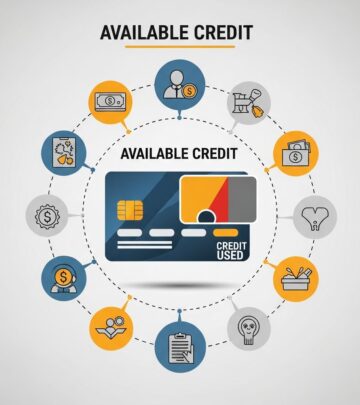
Available credit represents the portion of your credit card limit that remains open for new purchases, directly influencing your spending flexibility and financial profile. Mastering this concept empowers better decision-making and supports stronger credit health over time.
Defining Available Credit in Simple Terms
At its core,
available credit
is the difference between your credit card’s total limit and its current balance, showing exactly how much more you can borrow before maxing out.Available credit = Credit limit – Current balance. This figure updates dynamically with every transaction or payment, serving as a real-time gauge of your borrowing capacity.For instance, a card with a $10,000 limit and $2,500 balance leaves $7,500 in available credit. This metric matters beyond immediate spending, as it feeds into broader credit evaluations by lenders and scoring models.
The Mechanics Behind Available Credit Calculation
Calculating available credit requires just two numbers: your credit limit, set by the issuer based on creditworthiness, and your current balance, encompassing purchases, fees, and interest.Subtract the balance from the limit for an instant snapshot.
Balances include pending charges not yet posted, so they can reduce available credit faster than expected. Payments restore it promptly, often within a day, depending on processing times.
| Scenario | Credit Limit | Current Balance | Available Credit |
|---|---|---|---|
| Low Usage | $5,000 | $500 | $4,500 |
| Moderate Usage | $5,000 | $2,000 | $3,000 |
| High Usage | $5,000 | $4,500 | $500 |
This table illustrates how usage levels shift available credit, highlighting the need for vigilant tracking.
Why Available Credit Directly Controls Your Spending Power
Your available credit sets the boundary for transactions; exceeding it typically results in declined purchases, disrupting plans like travel or emergencies.Issuers may allow overages but often charge fees or hike minimum payments.
Maintaining ample available credit ensures seamless use, avoiding embarrassment at checkout and unexpected costs. It acts as a buffer against impulse buys pushing you over the edge.
Available Credit’s Pivotal Role in Credit Utilization
**Credit utilization**, the ratio of balances to limits across accounts, comprises about 30% of FICO scores and is vital for credit health.Available credit bolsters low utilization by expanding the denominator in this ratio. Experts advise keeping utilization under 30% for optimal scores.
High utilization signals risk to lenders, potentially raising rates or limiting approvals. For example, $3,000 balances on $10,000 total limits yield 30% utilization—ideal—while the reverse hits 70%, harming scores.
Strategies to Boost Your Available Credit
Increasing available credit involves proactive steps:
- Request a credit limit increase: Eligible after six months of on-time payments; provides instant boost without new inquiries if pre-approved.
- Pay balances multiple times monthly: Reduces reported balances, restoring credit faster than statement-end payments.
- Add new accounts judiciously: Spreads utilization across more limits, but weigh hard inquiries’ short-term score dips.
- Avoid closing old cards: Preserves total limits, preventing utilization spikes.
These tactics, applied consistently, enhance available credit and utilization profiles.
Practical Ways to Monitor Available Credit Daily
Staying informed prevents surprises:
- Check apps or online portals for real-time updates.
- Review statements monthly for accuracy.
- Call issuer support for verbal confirmations.
- Use alerts for low thresholds, like 20% remaining.
Tools from issuers like mobile notifications keep you ahead, especially during high-spend periods.
Common Pitfalls When Available Credit Runs Low
Low available credit triggers issues:
- Declined transactions: Even small ones fail near limits.
- Over-limit fees: Up to $40 per incident if permitted.
- Score damage: Elevated utilization reported monthly.
- Approval denials: Lenders view high usage as red flags.
Anticipate needs during holidays or bills to sidestep these traps.
Available Credit vs. Other Card Metrics: A Comparison
| Metric | Definition | Impact on Usage | Score Influence |
|---|---|---|---|
| Available Credit | Limit minus balance | Direct spending cap | Via utilization |
| Current Balance | Total owed | Increases with spends | Via utilization |
| Credit Limit | Max borrowable | Fixed by issuer | Expands utilization room |
This breakdown clarifies distinctions, aiding precise management.
Long-Term Benefits of High Available Credit
Sustained high available credit yields rewards: better loan terms, lower rates, and easier approvals.It demonstrates control, appealing to creditors. Over years, this builds a robust profile for big goals like mortgages.
Navigating Available Credit with Multiple Cards
Total available credit aggregates across cards, amplifying utilization benefits. Balance transfers or new spends require holistic views to avoid aggregate overextension.
Frequently Asked Questions
What happens if available credit hits zero?
Transactions decline; pay down to restore, or request limit increases.
Does available credit affect my credit score directly?
Indirectly through utilization; keep under 30%.
Can I have negative available credit?
Rarely, via over-limit allowances, incurring fees.
How often does available credit update?
Real-time with authorizations, daily for payments.
Is available credit the same as cash advance limit?
No; cash advances have separate, often lower sub-limits.
Advanced Tips for Optimizing Available Credit
For pros, time payments before statement closing dates to report zeros. Use 0% APR cards strategically to preserve limits elsewhere. Review annually for limit hikes, citing income growth.
Integrate budgeting apps tracking utilization trends, forecasting low-credit risks. This forward-thinking sustains financial agility.
References
- What Is Available Credit and How Does It Work? — American Express. 2023. https://www.americanexpress.com/en-us/credit-cards/credit-intel/what-does-available-credit-mean/
- What is the difference between current balance and available credit? — Chase. 2024. https://www.chase.com/personal/credit-cards/education/basics/difference-between-current-balance-and-available-credit
- Available Credit Meaning & Definition — Credit One Bank. 2023. https://www.creditonebank.com/articles/glossary/available-credit
- Available Credit on a Credit Card: What It Is & Why It’s Important — SoFi. 2024. https://www.sofi.com/learn/content/what-is-available-credit-on-credit-card/
- What Does Available Credit Mean? — College Ave. 2023. https://www.collegeave.com/articles/available-credit/
- What Is Available Credit and How Does It Work? — Capital One. 2024. https://www.capitalone.com/learn-grow/money-management/what-does-available-credit-mean/
Similar Articles








Read full bio of medha deb