Unknown SSN on Credit Report Signals Fraud Risk
Discover why an unfamiliar Social Security number on your credit report demands immediate action to shield your finances from identity thieves.
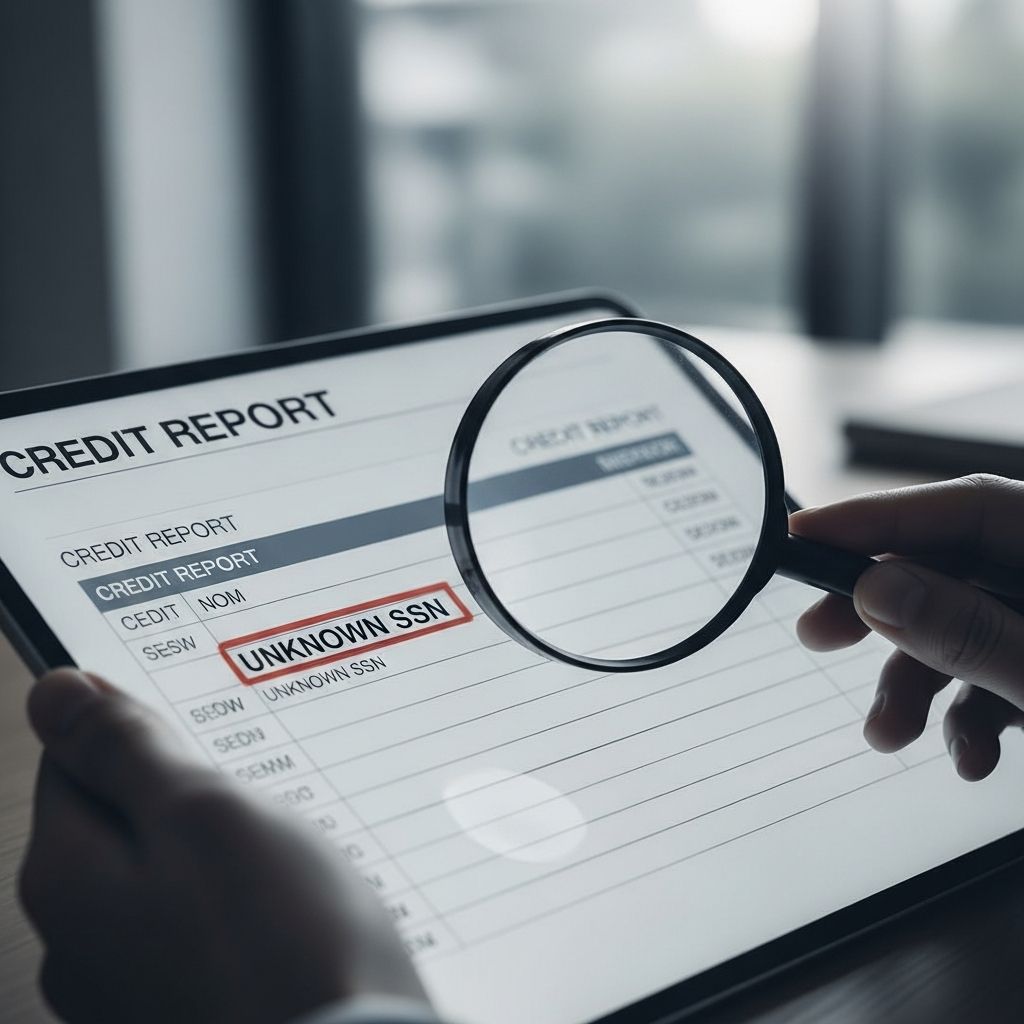
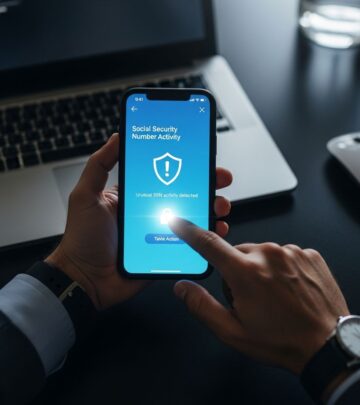
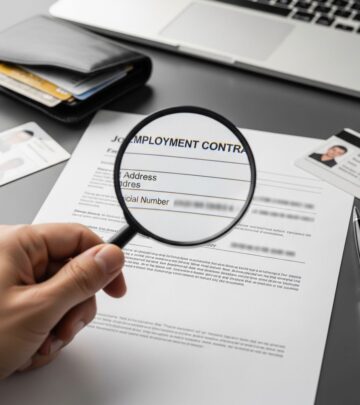
Spotting an unfamiliar Social Security number on your credit report can be alarming, as it frequently points to unauthorized use of your identity by fraudsters. This breach allows criminals to open accounts or secure loans in your name, potentially damaging your financial standing before you notice.
Understanding the Threat of SSN Misuse
Your Social Security number serves as a cornerstone of personal identification in the U.S., linking to credit histories, employment records, and government benefits. When fraudsters acquire it—through data breaches, phishing, or theft—they exploit it to impersonate you, leading to synthetic identity fraud where they blend real and fake data to build fraudulent profiles.
According to official guidance, investigators prioritize cases with significant financial impact or those affecting government operations, underscoring the scale of SSN-related crimes. Common misuse includes filing false claims, working under stolen numbers, or selling SSNs on black markets.
Key Indicators of SSN Compromise
Recognizing early warning signs is crucial for timely intervention. Watch for these red flags on your credit reports or financial statements:
- Unexplained new accounts, such as credit cards or loans you didn’t open.
- Unexpected drops in your credit score without corresponding activity.
- Bills from debt collectors for unrecognized debts.
- Medical charges or tax filing issues, like rejected returns because someone else filed using your SSN.
- Changes to account details, including addresses, that you didn’t authorize.
These signals often emerge subtly, delaying detection and amplifying damage.
How Fraudsters Obtain and Abuse SSNs
Criminals employ diverse tactics to steal SSNs, from phishing emails mimicking trusted entities to smishing via deceptive texts. Robocalls spoofing government agencies, like the SSA or IRS, pressure victims into divulging details by threatening legal action or promising benefits.
Once obtained, SSNs fuel broader identity theft. Scammers use them to access personal data, apply for credit, or commit tax fraud by filing returns for illegitimate refunds.[10] Synthetic identities, combining stolen SSNs with fabricated info, evade detection longer, posing risks to financial institutions and individuals alike.
| Fraud Type | Description | Common Impact |
|---|---|---|
| New Account Fraud | Criminals open loans/credit using your SSN | Debt accumulation in your name |
| Tax-Related Theft | Filing fake returns for refunds | Delayed legitimate filings |
| Employment Fraud | Using SSN for illegal work | Benefit disruptions |
| Synthetic Identity | Mixing real/fake data | Long-term credit damage |
Steps to Verify and Respond to Suspicious SSNs
Upon discovering an unknown SSN, act decisively. First, confirm its validity by contacting the Social Security Administration for records like Numident or SS-5 forms. Query the Master Beneficiary Record to check usage.
- Pull Free Credit Reports: Access annual reports from Equifax, Experian, and TransUnion via AnnualCreditReport.com to scan for anomalies.
- Place Fraud Alerts: Contact one bureau; it notifies the others, requiring identity verification for new credit applications.
- Freeze Your Credit: Prevent new account openings by freezing reports at all three bureaus—free and reversible.
- Monitor Accounts: Review bank, credit card, and benefit statements weekly for irregularities.
File an identity theft report with the FTC at IdentityTheft.gov, creating a legal record for disputes. This aids recovery by providing proof to creditors and agencies.
Proactive Measures to Shield Your SSN
Prevention trumps reaction. Adopt these habits to minimize exposure:
- Secure Storage: Keep your SSN card in a safe or lockbox, never carry it routinely.
- Strong Digital Habits: Use complex passwords, enable two-factor authentication, and install anti-malware software.
- Regular Monitoring: Enroll in credit monitoring services and review SSA statements annually.
- Beware Scams: SSA communicates via mail, never demands immediate payment or threatens arrest via phone.
- Limit Sharing: Provide SSN only when legally required; question unnecessary requests.
Advanced tools like biometric verification and real-time transaction monitoring by financial institutions add layers of defense against SSN fraud.
Official Channels for Reporting SSN Fraud
Report suspicions promptly to halt damage. Key contacts include:
- SSA Office of Inspector General (OIG): Online at oig.ssa.gov or hotline 1-800-269-0271 (10 a.m.–2 p.m. ET, weekdays).
- FTC Identity Theft Hotline: 877-438-4338 or www.ftc.gov/idtheft.
- Local Law Enforcement: For police reports supporting disputes.
- IRS: For tax-related SSN misuse via irs.gov/identity-theft-fraud-scams.[10]
Provide details like suspicious contacts, unknown accounts, or scam communications to aid investigations.
Frequently Asked Questions (FAQs)
What if I spot an unknown SSN on my credit report?
Contact the bureaus to dispute it, place a fraud alert, and freeze credit. Report to FTC and SSA OIG immediately.
Does SSA call about SSN issues?
No—legitimate contacts come by mail. Hang up on unsolicited calls demanding info or payment.
How long does a credit freeze last?
Indefinitely until lifted; it’s free and doesn’t affect your score.
Can I change my SSN after fraud?
Rarely, only in extreme cases per SSA policy. Focus on alerts and freezes instead.
Are free credit reports really free?
Yes, weekly from AnnualCreditReport.com, authorized by federal law.
Long-Term Recovery After SSN Fraud
Restoring your identity requires persistence. Dispute fraudulent items with bureaus using FTC report and police documentation. Notify affected creditors to close bogus accounts. Monitor for up to two years, as effects linger.
Consider identity protection services for dark web scanning and recovery assistance, though they’re optional with diligent self-monitoring. Educate family on risks, as SSNs are often stolen in bulk from breaches.
By staying vigilant, you reclaim control and deter future threats. Regular checks transform potential disasters into manageable issues.
References
- Social Security Number Fraud – Investigative Guide — Office of Justice Programs. 1984. https://www.ojp.gov/ncjrs/virtual-library/abstracts/social-security-number-fraud-investigative-guide
- Five Ways to Recognize a Social Security Scam — Consumer Financial Protection Bureau. N/A. https://www.consumerfinance.gov/about-us/blog/five-ways-to-recognize-social-security-scam/
- How to Protect Yourself from Social Security Number Identity Theft — Equifax. N/A. https://www.equifax.com/personal/education/identity-theft/articles/-/learn/social-security-number-identity-theft/
- 5 Fraud Detection Methods for Every Organization — Fraud.com. N/A. https://www.fraud.com/post/5-fraud-detection-methods-for-every-organization
- What to Do If Someone Has Your Social Security Number — Allstate. N/A. https://www.allstate.com/resources/identity-protection/what-if-someone-has-your-ssn
- Report Fraud — SSA Office of the Inspector General. N/A. https://oig.ssa.gov/report/
- Fraud Prevention and Reporting — Social Security Administration. N/A. https://www.ssa.gov/fraud/
Similar Articles








Read full bio of Sneha Tete