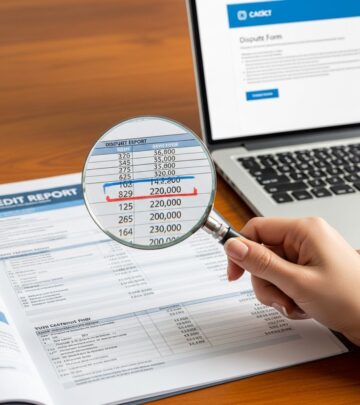
Undefined Creditor On Credit Report: Actionable Steps To Fix
Discover why an unfamiliar creditor appears on your credit report and master the steps to investigate, dispute, and safeguard your financial profile effectively.
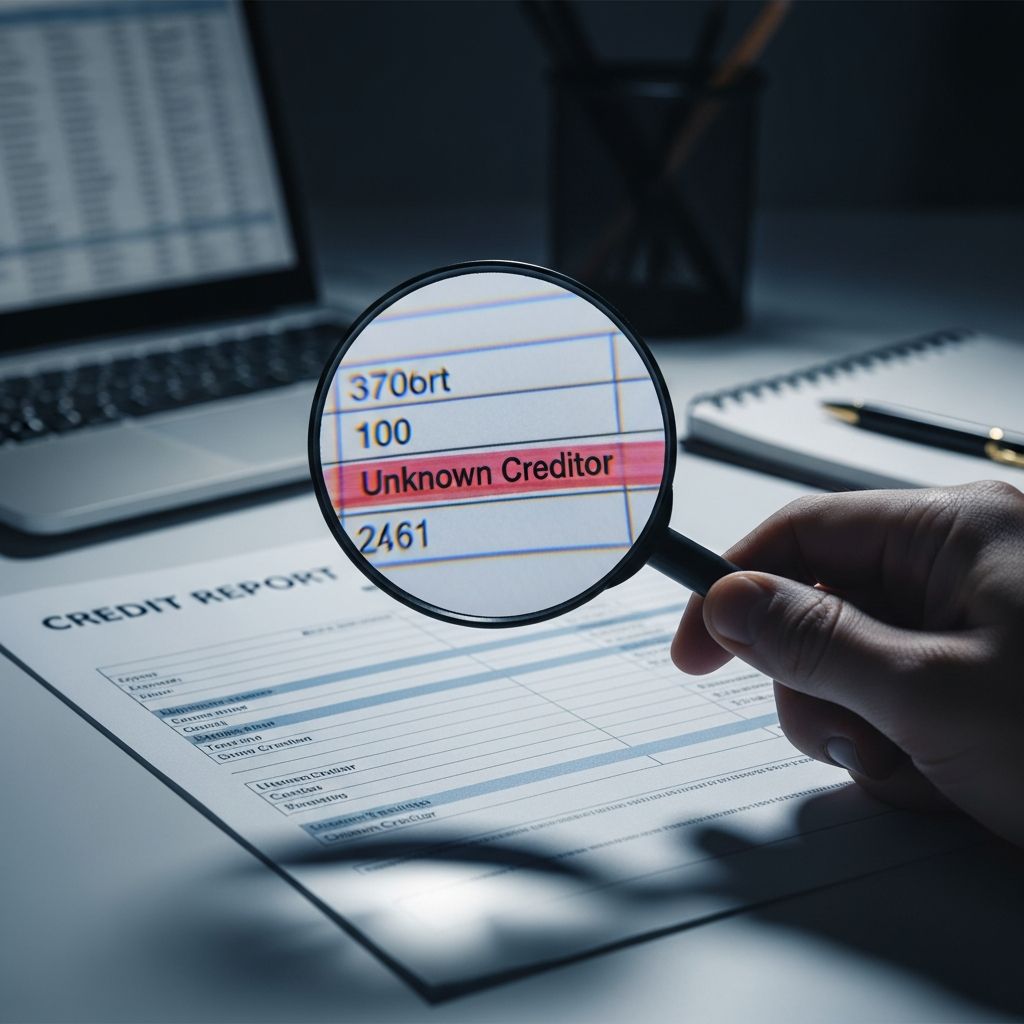
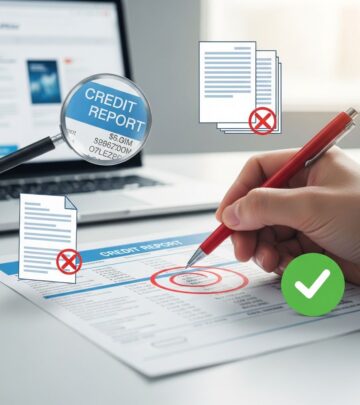
Spotting an unfamiliar creditor on your credit report can trigger immediate concern, as it might signal a simple reporting glitch, a merged file error, or outright identity theft. Understanding the root causes empowers you to take decisive action, ensuring your credit history remains accurate and your financial future secure.
Common Reasons for Unfamiliar Entries
Credit reports from major bureaus like Equifax, Experian, and TransUnion aggregate data from lenders, collectors, and other furnishers. An unknown creditor could stem from legitimate but overlooked activity or serious issues requiring prompt resolution.
- Prescreened Credit Offers: Lenders often perform soft inquiries for pre-approved offers, listing them without your direct application. These appear as inquiries rather than full accounts but can seem unfamiliar.
- Third-Party Debt Collectors: Original creditors may sell unpaid debts to collection agencies, transferring the reporting responsibility. If forgotten, these show as new entities.
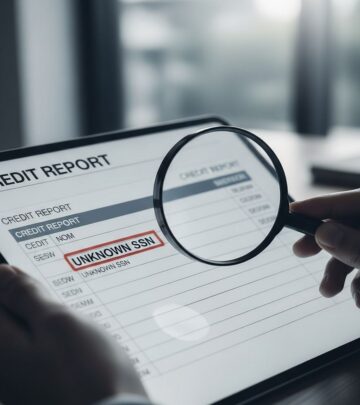
- Mixed Credit Files: Bureaus sometimes merge files due to similar names, addresses, or partial Social Security number matches, blending another person’s accounts into yours.
- Reporting Errors: Data furnishers might misreport details, such as incorrect account numbers or creditor names, due to clerical mistakes.
- Fraudulent Accounts: Criminals open lines of credit using stolen identity information, planting bogus creditors on your report.
Distinguishing these requires careful review. For instance, mixed files often include mismatched personal details like alien addresses or names, unlike fraud where accounts mimic your info perfectly.
Immediate Steps to Investigate
Don’t panic—systematic verification prevents unnecessary damage. Begin by obtaining free weekly reports from AnnualCreditReport.com, covering all three bureaus.
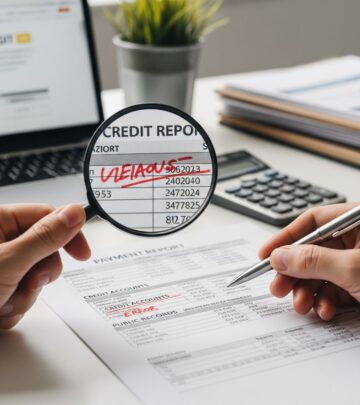
- Review Thoroughly: Cross-check against personal records, bank statements, and emails for any forgotten utilities, medical bills, or small loans.
- Identify Account Details: Note the creditor’s name, account number, balance, status (open/closed), and inquiry dates. Look for red flags like high balances or recent late payments.
- Contact the Creditor: Call or email the listed furnisher first. Ask for account verification; legitimate ones provide opening dates and payment history.
- Check Inquiry Types: Hard inquiries (from applications) last two years and impact scores; soft ones (prescreens) do not and fade quicker.
If research yields no recognition, treat it as a potential error or fraud. Freezing your credit at all bureaus halts new inquiries, buying time for resolution.
Disputing Inaccurate Information
The Fair Credit Reporting Act (FCRA) mandates bureaus investigate disputes within 30 days. Submit to both the bureau and furnisher for comprehensive fixes.
| Bureau | Online Dispute | Phone | Mail Address |
|---|---|---|---|
| Equifax | equifax.com | 866-349-5191 | P.O. Box 740256, Atlanta, GA 30374 |
| Experian | experian.com | 888-397-3742 | P.O. Box 4500, Allen, TX 75013 |
| TransUnion | transunion.com | 800-916-8800 | P.O. Box 2000, Chester, PA 19016 |
Include your name, report date, disputed item’s details, supporting documents (ID, statements), and explanation. Track via certified mail. Bureaus must notify results; persistent issues warrant escalation.
Handling Mixed Credit Files
A mixed file occurs when bureau algorithms erroneously combine profiles, often from name similarities or shared addresses. Unlike theft, these accounts belong to real people—just wrongly attached to you.
Signs include:
- Debts or inquiries from unknown locations.
- Multiple SSNs or names listed.
- Legitimate-sounding accounts with mismatched personal info.
Resolution mirrors disputes but emphasizes separation requests. Provide proof of distinct identities (birth certificates, utility bills). Bureaus must delete extraneous data; repeat if merges recur.
Fraud Detection and Prevention
If confirmed fraudulent, act swiftly:
- File FTC Report: At IdentityTheft.gov for recovery plan and police report.
- Alert Bureaus: Place fraud alerts (1-year free) or extended (7-year).
- Freeze Credit: Free at each bureau; lift temporarily for legit applications.
- Notify Institutions: Banks, card issuers for account monitoring.
Monitor via services like Credit Karma. Post-resolution, scores may dip temporarily from corrections (e.g., adjusted limits) but recover.
Impact on Your Credit Score
Unrecognized entries harm via higher utilization, new accounts lowering average age, or delinquencies. Inquiries add minor dings. Resolutions typically boost scores once cleared, underscoring vigilance.
Preventive Strategies
Proactive habits minimize risks:
- Regular report checks (quarterly).
- Credit monitoring subscriptions.
- Shred sensitive documents.
- Use strong, unique passwords for financial sites.
- Opt out of prescreened offers at OptOutPrescreen.com.
Frequently Asked Questions
What if I spot an unknown inquiry?
Contact the inquirer for clarification; it might be a third-party pull by your lender. Disputes apply if unauthorized.
How long do inquiries stay on reports?
Hard inquiries: up to 2 years; soft: 1-2 years, varying by bureau.
Can disputing lower my score?
Yes, temporarily if corrections reveal higher utilization, but accuracy benefits long-term.
What if my legit account isn’t reported?
Some creditors don’t report to all bureaus; inquire directly.
Is a mixed file identity theft?
No—it’s a bureau error merging files, not fraudulent openings.
Long-Term Credit Health Tips
Beyond fixes, build resilience: Pay on time (35% of FICO), keep utilization under 30%, diversify accounts. Tools like SoFi trackers aid oversight.
References
- What Does an Unfamiliar Account on Your Credit Report Mean? — SoFi. 2024. https://www.sofi.com/learn/content/what-does-an-account-you-dont-recognize-on-your-credit-report-mean/
- Mixed Credit Files: When Someone Else’s Information Gets on Your Credit Report — CLA Legal. 2023-10-15. https://clalegal.com/mixed-credit-files-when-someone-elses-information-gets-on-your-credit-report/
- What if I don’t recognize an inquiry on my credit reports? — Equifax. 2025. https://www.equifax.com/personal/help/article-list/-/h/a/dont-recognize-inquiry-credit-reports/
- Disputing Errors on Your Credit Reports — Consumer Financial Protection Bureau / FTC. 2024-05-01. https://consumer.ftc.gov/articles/disputing-errors-your-credit-reports
Similar Articles








Read full bio of medha deb