University of Washington Seattle Campus: A Top Public Research University
Explore UW Seattle: Innovation, research excellence, and world-class education in the Emerald City.
University of Washington Seattle Campus: Excellence in Higher Education
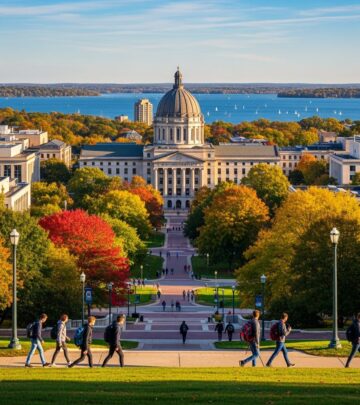
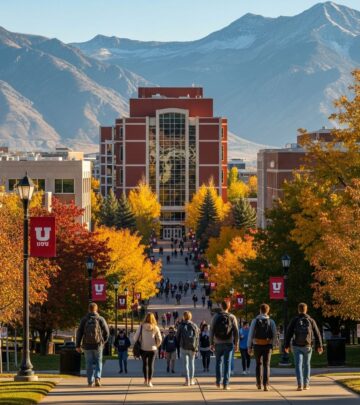
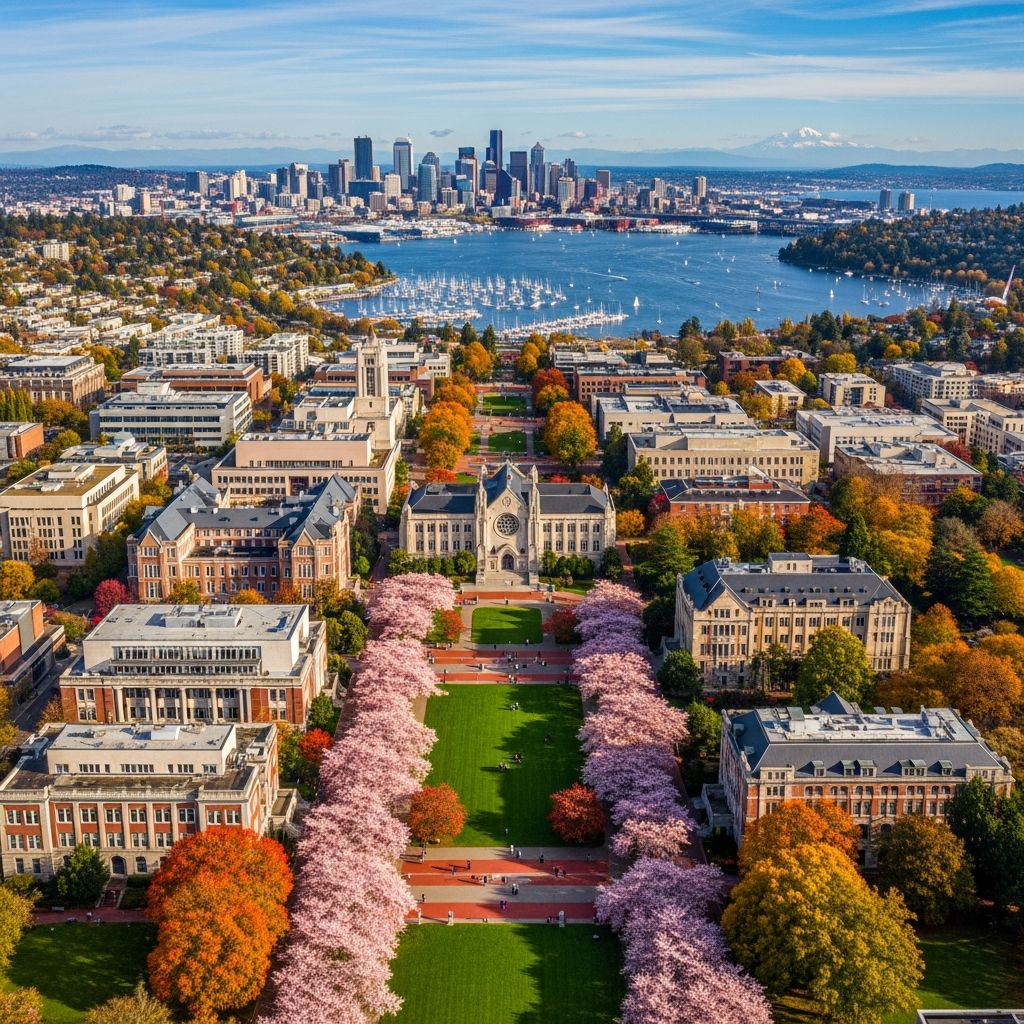
The University of Washington Seattle campus stands as one of the nation’s most prestigious public research institutions, serving as an integral part of the Emerald City since before Washington achieved statehood. Located on a stunning 700-acre campus in Seattle’s University District, the institution has evolved into a global leader in innovation, research, and education. With its picturesque setting overlooking Union and Portage Bays and views of the Cascade Range and Olympic Mountains, the campus provides an inspiring environment for approximately 51,719 students pursuing undergraduate and graduate degrees across diverse academic disciplines.
Campus Overview and Location
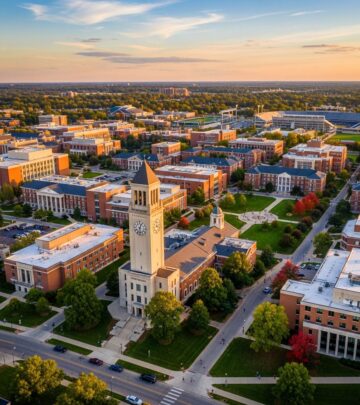
The University of Washington’s main Seattle campus encompasses 700 acres of beautifully maintained grounds bounded by N.E. 45th Street to the north, N.E. Pacific Street to the south, Montlake Boulevard N.E. to the east, and 15th Avenue N.E. to the west. The campus has been recognized as one of the top 25 most beautiful college campuses in the United States, offering students an exceptional setting for academic and personal growth. Beyond the main Seattle campus, the university operates two satellite campuses in nearby Tacoma and Bothell, extending its reach and accessibility throughout the region.
The geographic location in Seattle provides students with unparalleled access to a multicultural, international hub of innovation. The city is renowned for its thriving tech startup ecosystem, vibrant music scene, aerospace engineering industry, and cultural attractions. Students benefit from abundant local opportunities for research, public service, artistic expression, entrepreneurship, and professional development. The convenient proximity to Pike Place Market, Lake Washington, and countless entertainment venues ensures that campus life extends seamlessly into the surrounding community.
Academic Excellence and Research Leadership
The University of Washington has established itself as a powerhouse in research and innovation, earning recognition as the number one most innovative public university in the world. The institution consistently ranks among the top public universities globally and receives more federal research dollars than any other U.S. public university. This prestigious status reflects the institution’s commitment to groundbreaking research across diverse disciplines.
Students at UW Seattle benefit from extraordinary research opportunities regardless of their academic focus. The university’s Undergraduate Research Program enables students across all academic disciplines to gain hands-on research experience, working alongside faculty on projects that contribute to global knowledge and advancement. Graduate students pursuing degrees across more than 300 programs have access to immersive learning experiences, collaborative research opportunities, and platforms for contributing meaningfully to their fields.
Academic Programs and Majors
The Seattle campus offers undergraduates an impressive array of over 180 majors, allowing students to pursue virtually any academic interest. Whether students are driven to discover a lifesaving cure, develop an entirely new art form, or create solutions for greener technologies, the university provides comprehensive support and resources to turn those ambitions into reality.
The institution is recognized as a top 10 “best buy” in public education, combining affordability with academic excellence. This distinction reflects the university’s commitment to providing high-quality education accessible to talented students from diverse socioeconomic backgrounds. Academic advisers and support centers throughout campus help students discover their strengths and interests, obtain tutoring and guidance in their studies, and maintain progress toward degree completion.
Enrollment and Diversity
The University of Washington’s 2024 entering class represents the most diverse freshman cohort in the institution’s 164-year history. Total enrollment across all three UW campuses reached 62,752 students in fall 2024, with 51,719 enrolled at the Seattle campus. Of the total student population, 45,097 are undergraduates and 17,655 are pursuing graduate or professional degrees.
The Seattle campus enrolled 8,774 new undergraduates, comprising 7,195 freshmen and 1,579 transfer students. A remarkable record of 1,774 students, representing 20.2% of the new undergraduate class, identify as historically underserved students from African American, Native American or Alaska Native, Hawaiian or Pacific Islander, or Hispanic or Latino backgrounds. This commitment to diversity strengthens the campus community and enriches the educational experience for all students.
International student enrollment continues to be significant, with 7,965 international students enrolled at the Seattle campus as part of the total 8,470 international students across all three UW campuses, representing 13.5% of the overall student population. Additionally, 86.2% of the 2,375 community college transfer students enrolled across all three campuses are Washington residents, reflecting the university’s strong commitment to accessibility and regional service.
Campus Facilities and Infrastructure
The University of Washington encompasses more than 500 buildings and over 20 million gross square feet of space, making it one of the largest and most comprehensive university campuses in the nation. The campus features one of the largest library systems in the world, with more than 26 university libraries strategically distributed across campus to support diverse research and learning needs.
Red Square and Central Hub
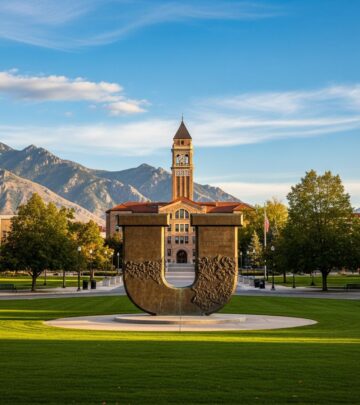
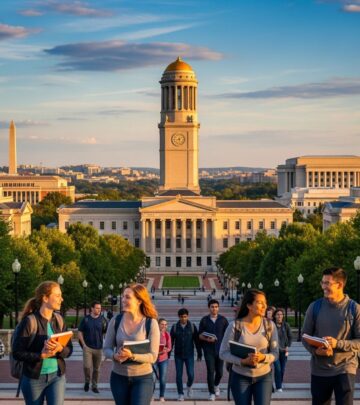
Red Square serves as the beating heart of the campus, surrounded by iconic landmarks including the magnificent Suzzallo Library, the thought-provoking Broken Obelisk sculpture, and the statue of George Washington. This central gathering space functions as a hub for student life and hosts numerous events and celebrations throughout the academic year.
Campus Regions
North Campus encompasses some of the university’s most recognizable landscapes and historical buildings, stretching from the iconic University of Washington Quad northward to N.E. 45th Street. This region includes academic buildings, research facilities, student housing, recreational areas, and administrative offices. A comprehensive multimillion-dollar development plan initiated in 2014 has guided the renovation and replacement of older student housing with new LEED-certified residential complexes, expanded academic facilities, sports fields, and enhanced green spaces.
South Campus occupies the land between Pacific Street and the Lake Washington Ship Canal, encompassing the university’s health sciences and natural sciences facilities. The UW Medical Center and Magnuson Health Sciences Center anchor this region, alongside facilities supporting instruction and research in oceanography, bioengineering, biology, genome sciences, hydraulics, and comparative medicine.
East Campus is home to cutting-edge technology facilities, including the Bill & Melinda Gates Center for Computer Science & Engineering, which opened in 2019, and the adjacent Mechanical Engineering Building. The UW light rail station, completed in March 2016, connects Seattle’s Capitol Hill neighborhood to the UW campus and Husky Stadium within five minutes of travel time. This transportation infrastructure was specifically designed to reduce dependence on private vehicles and promote sustainable commuting options. East Campus also features components of the UW Botanic Gardens, including the Union Bay Natural Area, the UW Farm, and the Center for Urban Horticulture.
West Campus consists primarily of modernist structures located on city streets between 15th Avenue and Interstate 5. This area houses the College of Built Environments, School of Social Work, Fishery Sciences Building, and the UW Police Department, along with various student apartments and residence halls.
Campus Life and Student Community
The University of Washington offers far more than classroom instruction and academic programs. With over 1,000 registered student clubs and numerous cultural organizations, students have countless opportunities to find community, develop leadership skills, and explore new interests. The campus supports athletics at all levels, from recreational intramural sports to competitive varsity athletics, ensuring that students with diverse athletic backgrounds and aspirations can participate.
Year-round arts and entertainment opportunities, including performances, exhibitions, and cultural events, create a vibrant campus atmosphere. Whether students are interested in attending live music performances, participating in theater productions, joining cultural celebrations, or engaging with visual arts, the campus provides an enriching cultural environment.
Student housing plays an important role in campus life, with the university committed to providing inclusive and supportive residential communities where students can feel comfortable expressing their authentic selves. New housing developments have been incorporated into campus master planning, with construction of six-story residence halls and apartment complexes designed to accommodate the growing student population while fostering strong community connections.
Transportation and Accessibility
The completion of the University of Washington light rail station in March 2016 represents a transformative infrastructure project for the campus. The station provides rapid transit access between Seattle’s Capitol Hill neighborhood and the UW campus, reducing travel time to approximately five minutes. This development has significantly expanded transportation options beyond private vehicles, bicycles, and King County buses, promoting sustainable mobility and improved accessibility to the campus.
Campus Master Planning and Future Development
In 2012, the university initiated comprehensive exploration of expansion plans and secured necessary governmental approvals to enhance the main Seattle campus. These ambitious plans focused on significantly increasing student housing capacity, expanding teaching facilities to accommodate the growing student body and faculty, and developing improved public transit options. The university’s master planning initiatives reflect its commitment to growth while maintaining the quality and character of campus life.
The Seattle City Council approved the UWMC-Northwest Major Institution Master Plan and rezone on April 8, 2025, completing a two-and-a-half-year community engagement process. This approval enables continued strategic development of campus facilities and services to meet evolving institutional needs and community expectations.
Indigenous Land Acknowledgment
The University of Washington acknowledges the Coast Salish peoples of the land on which the campus is situated, the land which touches the shared waters of all tribes and bands within the Suquamish, Tulalip, and Muckleshoot nations. The university also honors the tribal nations across Washington state and the many Indigenous peoples from across the country who live and work in Seattle and surrounding areas.
Support Services and Student Success
The university provides comprehensive academic support services designed to help students achieve their educational goals. Academic advisers assist students in selecting courses, planning degree programs, and navigating academic requirements. Tutoring centers offer subject-specific support across disciplines, while writing centers help students develop strong communication skills essential for academic and professional success.
Beyond academic support, the campus offers counseling services, career development resources, disability accommodations, and various wellness programs designed to support student mental health and overall well-being. These resources contribute to student success and persistence toward degree completion.
Admission and Enrollment Information
The undergraduate application process has become increasingly competitive. In 2024, the Seattle campus received 74,603 undergraduate applicant with an overall admission rate of 39.5%. For Washington residents, the admission rate was notably higher at 47.9%, reflecting the university’s commitment to serving students from Washington state. The university considers academic achievement, extracurricular involvement, personal essays, and other factors in holistic admission decisions.
Community Engagement and Public Service
As a public research university, the University of Washington maintains strong connections to the Seattle community and the broader state of Washington. Students and faculty engage in public service initiatives, community-based research, and partnerships with local organizations addressing pressing social challenges. These connections enhance student learning while contributing to community development and social progress.
Frequently Asked Questions
Q: What is the University of Washington Seattle campus known for?
A: The University of Washington Seattle campus is recognized as the number one most innovative public university in the world. It receives more federal research dollars than any other U.S. public university and consistently ranks among the top public universities globally. The institution is known for its excellence in research, diverse academic programs, and commitment to innovation across all disciplines.
Q: How many undergraduate majors are available at UW Seattle?
A: The University of Washington Seattle campus offers over 180 different undergraduate majors, providing students with extensive options to pursue their academic interests. Graduate students can choose from more than 300 degree programs across the university.
Q: What is the current student enrollment at the Seattle campus?
A: As of fall 2024, the Seattle campus has 51,719 enrolled students, comprising 45,097 undergraduates and 17,655 graduate and professional students. Approximately 13.5% of students are international students from various countries around the world.
Q: How diverse is the University of Washington’s student body?
A: The 2024 entering class represents the most diverse in the university’s 164-year history. A record 1,774 students, or 20.2% of new undergraduates, identify as historically underserved students from African American, Native American or Alaska Native, Hawaiian or Pacific Islander, or Hispanic or Latino backgrounds.
Q: What transportation options are available to reach the campus?
A: The University of Washington light rail station, completed in March 2016, provides rapid transit connections between Seattle’s Capitol Hill neighborhood and the campus in approximately five minutes. Students also have access to local King County buses, bicycle facilities, and parking options, though the light rail station has significantly reduced dependence on private vehicles.
Q: What is the admission rate for the University of Washington Seattle campus?
A: The overall admission rate for the Seattle campus in 2024 was 39.5%, with 74,603 undergraduate applications received. For Washington state residents, the admission rate was higher at 47.9%, reflecting the university’s commitment to serving in-state students.
Q: Are there research opportunities for undergraduate students?
A: Yes, the University of Washington’s Undergraduate Research Program enables students across all academic disciplines to gain hands-on research experience. Students work alongside faculty on projects that contribute to advancing knowledge in their fields, from scientific research to creative and social innovations.
Q: What student life activities are available on campus?
A: The university offers over 1,000 student clubs, numerous cultural organizations, recreational and varsity sports programs, and year-round arts and entertainment opportunities. Students can participate in activities ranging from academic clubs to cultural celebrations, ensuring ample opportunities for engagement and community building.
References
- University of Washington — Official institutional records. 2024. https://en.wikipedia.org/wiki/University_of_Washington
- The UW in Seattle — University of Washington Official Website. 2024. https://www.washington.edu/about/seattle-campus/
- UW’s 2024 entering class is most diverse — University of Washington News. October 14, 2024. https://www.washington.edu/news/2024/10/14/uws-2024-entering-class-is-most-diverse/
- Campus planning — UW Facilities. 2025. https://facilities.uw.edu/planning/campus
- 2024 Annual Report on the University of Washington Master Plan Seattle Campus — University of Washington Official Records. 2024. https://www.washington.edu/community/2024-annual-report-on-the-university-of-washington-master-plan-seattle-campus/
- Campus planning — University of Washington Facilities. 2025. https://facilities.uw.edu/planning/campus
Similar Articles








Read full bio of medha deb