University of St. Francis: Catholic Education in Illinois
Discover USF's commitment to affordable, quality Catholic education in Joliet, Illinois.
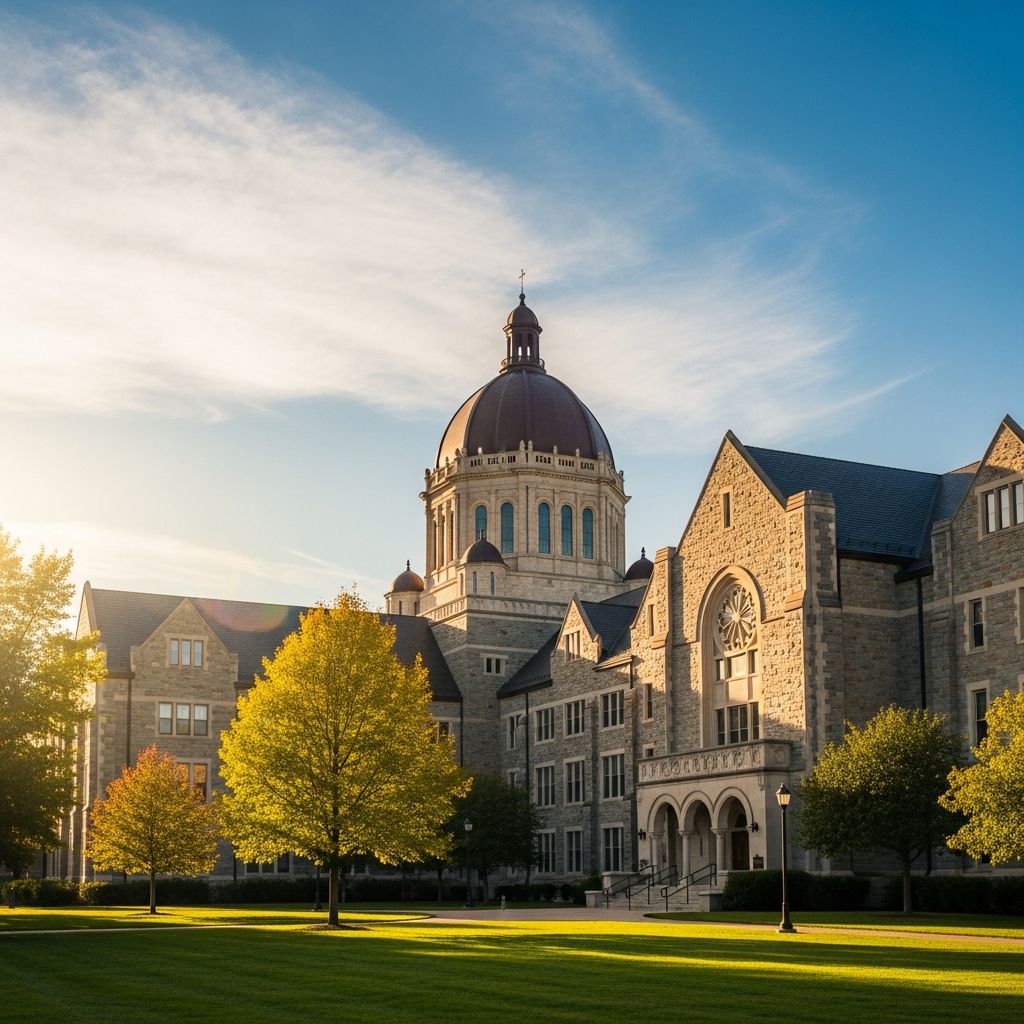
University of St. Francis: A Comprehensive Overview
The University of St. Francis (USF) stands as a distinguished private Catholic institution located in Joliet, Illinois, serving as a beacon of affordable, quality education in the Chicago metropolitan area. Founded in 1920 and formally established as a university in 1998, USF has evolved into a comprehensive educational institution offering undergraduate, graduate, and doctoral degree programs both on campus and online. With a commitment rooted in Franciscan values and Catholic principles, the university continues to attract students seeking a personalized academic experience combined with strong career preparation and community engagement.
Campus Location and Setting
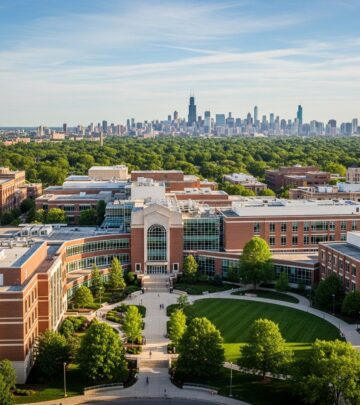
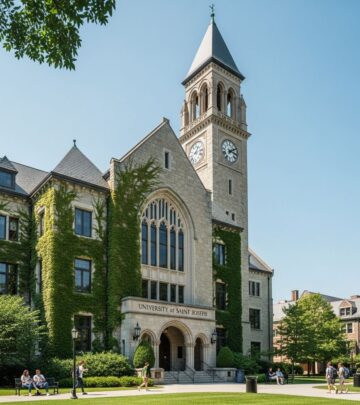
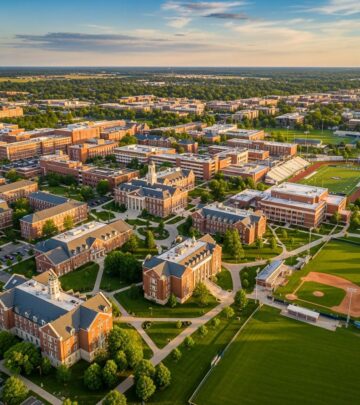
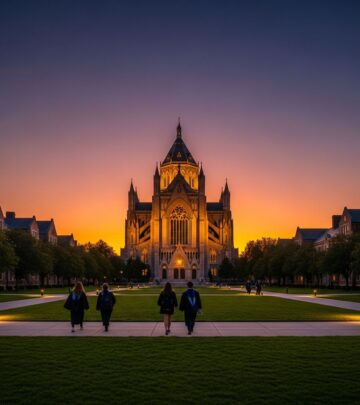
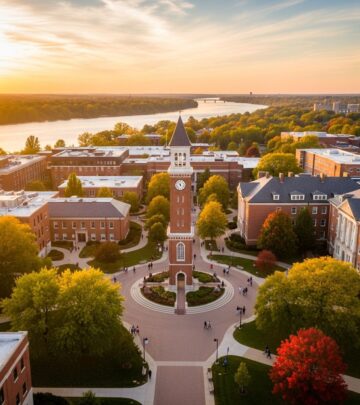
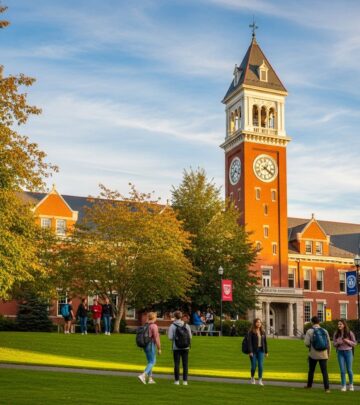
Situated in Joliet, Illinois, approximately 30 miles southwest of Chicago, the University of St. Francis occupies a strategic location that provides students with access to urban opportunities while maintaining a close-knit campus community. The main campus features beautiful cathedral-area architecture that reflects the institution’s Catholic heritage, creating an environment that blends historical significance with modern educational facilities. The compact campus design allows students to navigate from one end to the other in approximately 15 minutes, fostering a sense of accessibility and community that characterizes the USF experience. The suburban setting provides a balance between the vibrancy of nearby Chicago and the quieter, more focused atmosphere necessary for academic excellence.
Enrollment and Student Demographics
The University of St. Francis maintains a deliberately small student body to preserve its personalized educational approach. The main campus enrolls approximately 1,300 students, complemented by an additional 1,900 students across the university’s various locations throughout the country, bringing total enrollment to nearly 3,200 students. The undergraduate population consists of approximately 1,109 full-time and 197 part-time students, creating a diverse mix of traditional and non-traditional learners. This intimate enrollment size distinguishes USF from larger universities and enables the kind of faculty-student relationships that characterize the institution’s educational philosophy. The student body represents various cultural, religious, and socioeconomic backgrounds, reflecting the university’s commitment to diversity and inclusivity within a primarily commuter-based campus structure.
Academic Excellence and Program Offerings
University of St. Francis has established a reputation for academic rigor and excellence across multiple disciplines. The institution is organized into five colleges: the College of Arts & Sciences, College of Business & Health Administration, College of Education, College of Nursing and Health Professions, and College of Professional Studies. Each college maintains distinct strengths and specializations designed to meet contemporary workforce demands and student aspirations.
Nursing and Healthcare Programs
Among USF’s most distinguished offerings is its robust nursing program, consistently recognized as one of the institution’s greatest strengths. The nursing curriculum emphasizes hands-on learning experiences and laboratory-based instruction, preparing students for the demanding realities of professional healthcare practice. The Leach College of Nursing, housed at St. Clare Campus, provides state-of-the-art facilities and experienced faculty committed to developing competent, compassionate nurses. Students in the nursing program report gaining invaluable practical skills and feeling well-prepared for their careers in an increasingly complex healthcare environment.
Education and Teacher Preparation
The College of Education maintains vigorous and quality programs for undergraduates pursuing teaching careers. Education students praise the program’s academic rigor, with courses designed to challenge students each semester and develop the competencies necessary for effective teaching. Faculty in the College of Education demonstrate exceptional commitment to student success, creating personalized learning experiences that prepare future educators for classroom leadership and student engagement.
Business and Communication Programs
Business programs at USF feature innovative approaches including real-world research classes where students work directly with clients on actual business challenges. This applied learning philosophy extends to communication and media arts programs, which emphasize practical skills development alongside theoretical knowledge. The emphasis on experiential learning distinguishes USF’s business curriculum from programs emphasizing lecture-based instruction.
Teaching Philosophy and Learning Environment
The University of St. Francis is widely recognized for its distinctive teaching philosophy that places exceptional priority on personalized education and faculty accessibility. Class sizes remain deliberately small, enabling professors to know students individually and tailor instruction to diverse learning needs. The university’s commitment to lab-based and research-based assignments creates abundant hands-on learning opportunities across all academic disciplines. Faculty members at USF distinguish themselves through their genuine passion for teaching, their availability outside the classroom, and their commitment to supporting students’ overall development—academically, socially, and personally.
Instructors consistently place a high priority on student success, mental health, and physical wellbeing, recognizing that comprehensive student support extends beyond the classroom. Many professors go above and beyond standard expectations, establishing themselves as mentors and advocates for student achievement. This dedication to personalized education creates an environment where students feel valued, supported, and motivated to excel.
Student Support Services and Resources
University of St. Francis provides comprehensive support systems designed to facilitate student success both inside and outside the classroom. Tutoring services, academic advising, and extended study hours during final examinations help students navigate academic challenges. Multiple computer labs and dedicated study lounges throughout campus provide spaces conducive to focused learning and peer collaboration.
Academic advisors regularly check on students’ progress, demonstrating proactive engagement in student development. The university recognizes that student success requires attention to the whole person, prompting comprehensive support services that address academic, social, emotional, and financial dimensions of the college experience. These resources contribute significantly to the nurturing learning environment that characterizes the USF community.
Admissions and Acceptance
The University of St. Francis maintains moderately competitive admissions standards, with an acceptance rate of 64% to 68%, depending on the academic year. This selective admissions approach ensures that admitted students demonstrate academic readiness while maintaining accessibility for qualified applicants. The university welcomes students with varied academic backgrounds and life experiences, prioritizing commitment to learning and growth over rigid standardized metrics. The admissions process reflects USF’s dedication to building a diverse, engaged student community rather than pursuing elite selectivity metrics.
Campus Life and Community
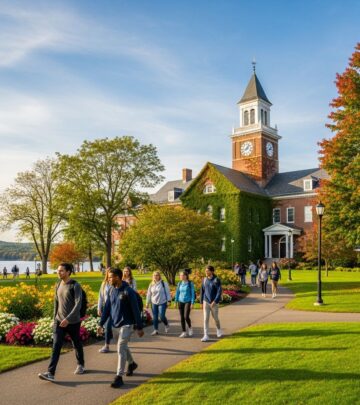
The University of St. Francis cultivates a strong sense of community characterized by genuine friendliness and a family-like atmosphere. The small campus size facilitates meaningful connections between students, professors, and staff members. Many students report forming lasting friendships and establishing relationships that extend well beyond their college years. The close-knit community encourages students to support one another and engage in shared experiences that define campus culture.
However, the primarily commuter-based structure means that some students find it challenging to fully engage in residential campus life and develop the same sense of belonging as their residential peers. To address this challenge, the university continues developing programming and initiatives designed to create connection opportunities for commuter students and foster community engagement across diverse student populations.
Diversity and Inclusion
Aligned with its Franciscan values and Catholic mission, the University of St. Francis embraces diversity and actively welcomes students of various cultures, religions, and socioeconomic backgrounds. The campus maintains an open-minded atmosphere that values different perspectives and lived experiences. While the campus demographic reflects the local Joliet community and may not represent extensive ethnic diversity, the institution fosters a genuinely inclusive environment where all students feel welcomed and respected.
The university offers diversity programming and provides support services for students of color, though many acknowledge opportunities to expand these initiatives for enhanced representation and more comprehensive inclusion. The commitment to diversity extends beyond demographic representation to encompass a genuine valuing of diverse perspectives within the academic and social community.
Graduation Rates and Career Outcomes
The University of St. Francis reports a graduation rate of 65%, indicating that the majority of students who enroll ultimately complete their degree programs. This metric reflects the effectiveness of USF’s support systems and the student body’s commitment to degree completion. Graduates report feeling well-prepared for their careers, with particular strength in fields such as nursing, education, business, and healthcare administration. The university’s emphasis on practical skills development and real-world learning experiences contributes to strong employment outcomes and professional readiness.
Financial Considerations and Affordability
As a private nonprofit institution, the University of St. Francis reinvests revenue into programs and services that enhance the student experience and advance the university’s educational mission. This nonprofit structure distinguishes USF from for-profit institutions and reflects a commitment to student welfare over profit maximization. The university receives support from endowments, alumni contributions, and donor generosity, resources that help maintain affordability and accessibility. Financial aid packages and scholarship opportunities help students overcome financial barriers to education, embodying USF’s commitment to making quality Catholic education accessible to diverse populations.
Online and Distance Learning
Since 1998, when the university began offering online courses and degree programs, USF has expanded its reach beyond geographic limitations. Online and distance learning options allow working professionals, nontraditional students, and geographically dispersed populations to access USF’s educational programs. This expansion has contributed to the university’s total enrollment of nearly 3,200 students across multiple locations throughout the country, making quality education available to diverse learner populations with varying life circumstances and scheduling needs.
Historical Development and Institutional Evolution
The University of St. Francis traces its heritage to 1865, when the Congregation of the Sisters of St. Francis of Mary Immaculate established the Sisters’ Normal Institute to train teachers. This educational mission has remained central to USF’s identity throughout its evolution from high school academy to junior college to four-year college and ultimately to comprehensive university status. The institution’s trajectory reflects both its adaptation to changing educational needs and its steadfast commitment to core values of teaching excellence, personal attention, and service to students and communities.
Accreditation and Recognition
The University of St. Francis maintains accreditation from the North Central Association of Colleges and Universities (now part of the Higher Learning Commission), ensuring that the institution meets rigorous quality standards. The university is consistently ranked among the best when it comes to quality education, affordability, and accessibility. These recognitions validate USF’s commitment to maintaining high educational standards while remaining accessible to diverse student populations.
Catholic Mission and Franciscan Values
As a Roman Catholic institution guided by Franciscan charism, the University of St. Francis integrates spiritual development alongside academic formation. The patron saints of the university, Saints Francis and Clare of Assisi, embody values of service, humility, and contemplative engagement with the world. University Ministry offers weekday and weekend faith opportunities for students, faculty, and staff, creating space for spiritual growth and reflection. This integration of faith and learning distinguishes USF from secular institutions and appeals to students seeking an educational experience that addresses the spiritual dimensions of human development.
Frequently Asked Questions
Q: What is the acceptance rate at University of St. Francis?
A: The University of St. Francis has an acceptance rate of 64% to 68%, maintaining moderately competitive admissions that balance selectivity with accessibility for qualified students.
Q: What are the most popular programs at USF?
A: Popular majors include Nursing, Healthcare Management, Psychology, Education, and Business Administration. The nursing program is particularly renowned for its excellence and hands-on learning approach.
Q: How large are classes at University of St. Francis?
A: Classes are deliberately kept small to facilitate personalized instruction and meaningful faculty-student relationships, distinguishing USF from larger universities where lectures can involve hundreds of students.
Q: Does University of St. Francis offer online programs?
A: Yes, USF offers undergraduate, graduate, and doctoral degree programs through online and distance learning formats, making education accessible to working professionals and geographically dispersed populations.
Q: What is the graduation rate at University of St. Francis?
A: The University of St. Francis reports a graduation rate of 65%, indicating that the majority of enrolled students complete their degree programs.
Q: Does USF provide support services for student success?
A: Yes, USF offers comprehensive support including tutoring services, academic advising, extended study hours during finals, computer labs, and dedicated study spaces to facilitate student achievement.
Q: Is University of St. Francis religiously affiliated?
A: Yes, USF is a private Catholic university guided by Franciscan values, offering faith opportunities through University Ministry while welcoming students of all religious backgrounds.
References
- University of St. Francis – Niche Profile — Niche. 2024. https://www.niche.com/colleges/university-of-st-francis-illinois/
- University of St. Francis — Wikipedia. 2024. https://en.wikipedia.org/wiki/University_of_St._Francis
- University of St. Francis – Official Website — University of St. Francis. 2024. https://stfrancis.edu/about-us/
- University of St. Francis – The Princeton Review — The Princeton Review. 2024. https://www.princetonreview.com/college/university-st-francis-il-1023107
- University of St. Francis – BigFuture College Search — College Board BigFuture. 2024. https://bigfuture.collegeboard.org/colleges/university-of-st-francis-joliet-il
- Saint Stats – University of St. Francis — University of St. Francis Official Statistics. 2024. https://stfrancis.edu/about-us/saint-stats/
Similar Articles








Read full bio of Sneha Tete