University of Minnesota Crookston: College Profile & Overview
Discover UMN Crookston: A premier public university offering hands-on learning, affordable tuition, and personalized education in Minnesota.
University of Minnesota Crookston: A Premier Public University in Northwest Minnesota
The University of Minnesota Crookston stands as one of five campuses within the prestigious University of Minnesota System, offering students a unique blend of academic rigor and personalized attention in a close-knit community setting. Located on the northern edge of Crookston, Minnesota, this four-year public institution has established itself as a leading choice for students seeking hands-on learning experiences combined with the credibility of a world-class University of Minnesota degree. With more than 1,700 students representing 47 countries and 45 states, UMN Crookston creates an inclusive environment where students transition from being anonymous faces in large lecture halls to valued members of the Golden Eagle family.
Campus Location and Facilities
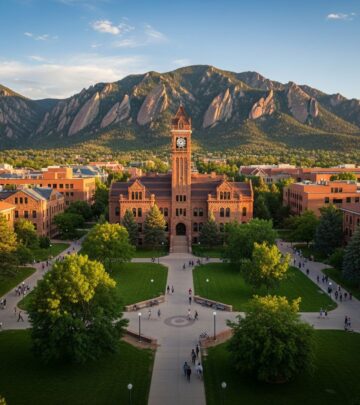
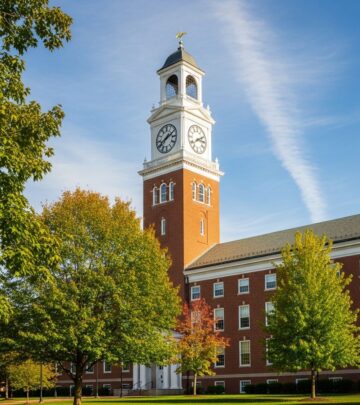
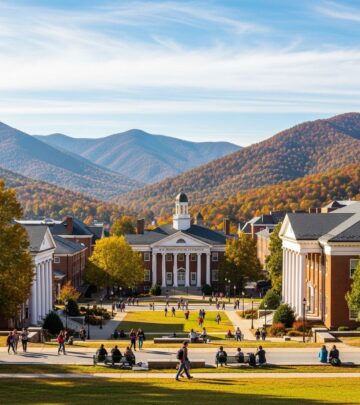
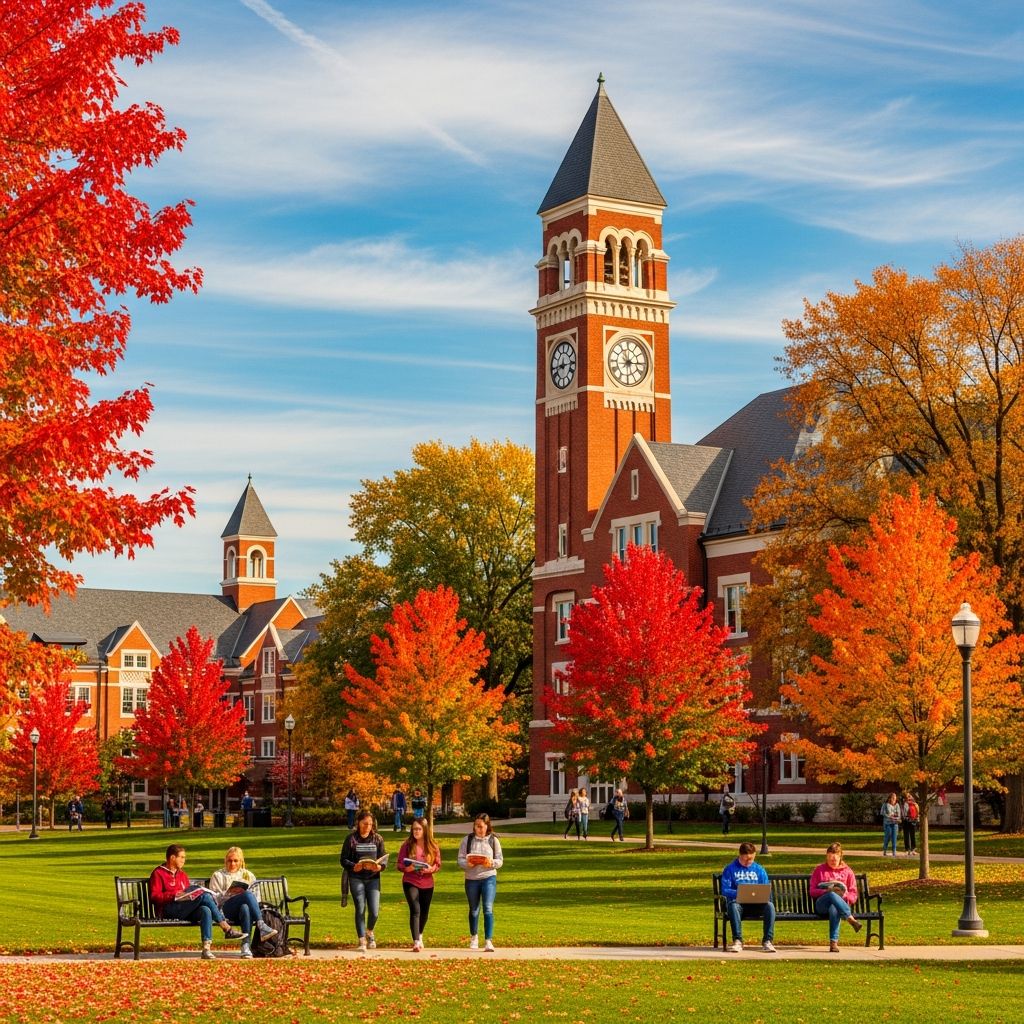
Situated off U.S. Highway 2 in northwest Minnesota, the university’s 108-acre main campus expands to 237 acres when including the Northwest Research and Outreach Center adjacent to the east. The geographical location in the Red River Valley positions the campus at a unique intersection between the forested regions of the east and the great plains of the Dakotas, offering students distinctive opportunities for agricultural research and natural resource studies. The campus features 41 buildings that combine modern facilities with historical architecture, creating an environment that honors the institution’s rich heritage while embracing contemporary educational needs.
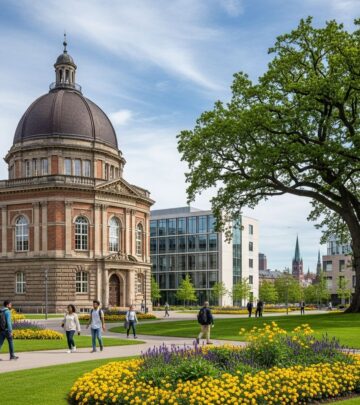
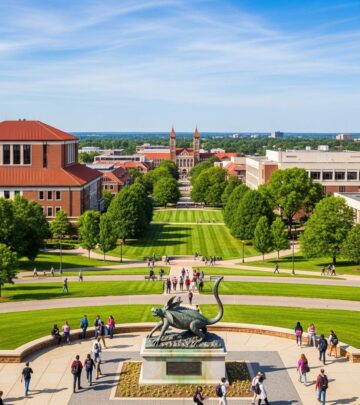
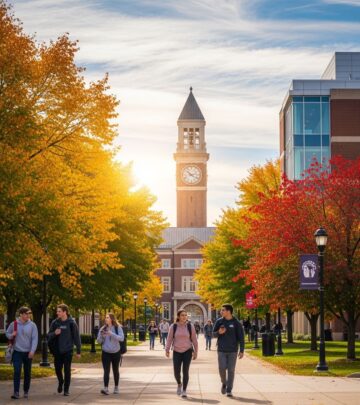
The campus landscape showcases fine specimens of numerous tree species, flower gardens bordering a spacious mall, and just less than a mile away lies a natural history area containing rare fragments of virgin prairie land with native grasses. This natural environment complements the university’s focus on environmental stewardship and outdoor education. On-campus students benefit from what has been ranked as the #1 dorms in Minnesota, providing comfortable and supportive residential experiences.
Academic Programs and Majors
As of November 2023, the University of Minnesota Crookston offers 75+ majors, minors, and certificates organized across four comprehensive program options. These program areas include Agriculture and Natural Resources, Business, Humanities, Social Sciences and Education, and Math, Science and Technology. This diverse academic portfolio ensures students can find educational pathways aligned with their career aspirations and intellectual interests.
The institution has continuously expanded its academic offerings since receiving approval from the University of Minnesota Board of Regents in 2004 to offer additional majors in diverse subjects. Programs like communication, computer software technology, and health sciences have been added to complement the university’s traditional strengths in agriculture and natural resources. Animal science, equine studies, and veterinary science programs leverage the institution’s rural location and specialized facilities to provide students with unparalleled hands-on training opportunities.
Hands-On Learning and Experiential Education
One of the defining characteristics of a UMN Crookston education is the emphasis on hands-on learning experiences. The university utilizes its rural campus location strategically to promote practical, experiential education through required internships in many fields. This requirement ensures that students graduate with real-world professional experience, enhancing their competitiveness in the job market and preparing them for immediate career contributions.
The institution operates several research and outreach centers that provide students with opportunities to engage in meaningful research projects. The Northwest Research and Outreach Center acquires, interprets, and disseminates research knowledge for agricultural and other constituencies. Additionally, the Center for Rural Entrepreneurial Studies, established with a grant from the U.S. Department of Education in 2010, engages students, faculty, and research facilities to nurture entrepreneurial culture and strengthen economic vitality in Northwest Minnesota.
Campus facilities support this hands-on philosophy with specialized laboratories and centers. The indoor animal science facility with equine arena and stables, completed in 1993 with an addition in 1998, provides students with exceptional training environments. The controlled environmental laboratory facility and horticulture complex further demonstrate the university’s commitment to providing state-of-the-art learning spaces where theory translates directly into practical competence.
Student-Faculty Relationships and Class Sizes
With a 16:1 faculty-to-student ratio, University of Minnesota Crookston ensures that students receive personalized attention and mentorship from dedicated professors. This intimate learning environment contrasts sharply with large research universities where students may struggle to develop meaningful relationships with faculty members. Small class sizes allow for more personalized instruction, with professors highly regarded for their dedication to student success and professional development.
The university’s size—deliberately maintained at a manageable scale—enables students to develop close relationships not only with faculty but also with peers and campus staff. This creates a supportive community where students feel known and valued, enhancing both academic outcomes and personal growth. Undergraduate research opportunities abound, allowing students to work directly with faculty mentors on meaningful projects that contribute to their disciplines.
Affordability and Financial Value
In 2025, the University of Minnesota Crookston was ranked #1 Best Value College in Minnesota, recognizing its commitment to providing exceptional education at an affordable cost. This distinction reflects the university’s dedication to making quality higher education accessible to students from diverse socioeconomic backgrounds. The combination of reasonable tuition rates and the prestige of a University of Minnesota degree creates significant value for students and families prioritizing educational investment returns.
The ranking considers not only tuition costs but also the quality of education, campus resources, and student outcomes. By maintaining competitive pricing while investing in facilities, faculty, and programs, UMN Crookston demonstrates that educational excellence need not come with prohibitive costs. For families evaluating college options, this affordability factor combined with academic quality makes UMN Crookston an attractive choice for students across Minnesota and beyond.
Student Demographics and Community
The University of Minnesota Crookston serves a diverse student body with intentional support for underrepresented populations in higher education. Among the on-campus student population, 43% are first-generation students, meaning they are the first in their families to attend college. This statistic underscores the university’s role in democratizing access to higher education and providing the support systems necessary for first-generation students to thrive. Additionally, 42% of on-campus students are student-athletes competing in UMN Crookston’s 12 NCAA Division II athletics teams and two club sports, fostering a culture of athletic excellence and competitive spirit.
For online students, 67% hail from Minnesota, and 56% are first-generation students, demonstrating the institution’s commitment to serving non-traditional learners and place-bound students. The university also served 883 non-degree students, many participating in the State of Minnesota’s Post-Secondary Enrollment Option (PSEO) program or the College in the High School (CIHS) program, both providing high school students economical pathways to earn college credits.
Online and Flexible Learning Options
University of Minnesota Crookston pioneered online education within the University of Minnesota system. In 1999, the campus awarded its first bachelor’s degree for a program completed entirely online, establishing UMC as the first campus within the University of Minnesota system to offer fully online degree programs. This forward-thinking approach, which The Wall Street Journal recognized in a full-page feature calling UMC “The College of the Future–Today,” positions the institution as an innovator in educational delivery.
Today, the university serves approximately 700 on-campus students and 1,000 online students, demonstrating that its educational model successfully accommodates both residential and distance learners. This flexibility expands access to quality University of Minnesota education for students who cannot relocate to campus or prefer hybrid learning approaches. The equivalence of online degrees with on-campus degrees ensures that all graduates—regardless of how they completed their programs—receive the same world-class University of Minnesota credential.
Accreditation and Academic Standing
The University of Minnesota Crookston maintains accreditation by the Higher Learning Commission, ensuring that its programs meet rigorous standards for academic quality and institutional effectiveness. This accreditation status is critical for students, employers, and graduate programs that rely on institutional credibility as a marker of educational quality.
Beyond formal accreditation, the institution has earned recognition from leading college evaluation organizations. The Princeton Review includes UMC in its top 161 “Best Midwestern Colleges,” acknowledging the university’s standing among peers in the region. These recognitions reflect the university’s consistent commitment to educational excellence, student outcomes, and continuous improvement.
University and Community Outreach
As an anchor institution in northwest Minnesota, UMN Crookston extends its mission beyond campus boundaries through several centers and programs. The University of Minnesota Extension, Crookston Regional Center, delivers educational programs to residents and communities throughout the region, translating university expertise into practical community benefits. The EDA Center for Minnesota, one of more than 40 university centers nationwide supported by the Economic Development Administration of the U.S. Department of Commerce, conducts applied research, provides direct technical assistance, and delivers educational programs to economic development agencies supporting rural communities throughout Minnesota.
The Northwest Regional Partnership for Sustainable Development connects regional and University resources to develop sustainable futures for the region, demonstrating UMN Crookston’s commitment to addressing complex regional challenges through collaborative, evidence-based approaches.
Athletics and Campus Life
The university’s NCAA Division II athletics programs foster school spirit, community engagement, and personal development. With 12 varsity sports and two club sports, student-athletes benefit from competitive opportunities, coaching excellence, and the integration of athletics into campus culture. Athletic participation complements academic pursuits, with the university supporting student-athlete success both on the field and in the classroom.
Beyond athletics, campus life includes student organizations, professional societies, cultural events, and community service opportunities. The Student Center, renovated in 2005 and completed as a comprehensive facility in 2005, provides space for student programming and interaction. An early childhood education center, established in 1999, offers practical training opportunities for education majors while providing childcare services to the campus community.
Historical Context and Evolution
The University of Minnesota Crookston traces its educational mission back to 1906 when it began as the Northwest School of Agriculture (NWSA), serving as a residential high school for over 60 years. Between 1906 and 1968, the institution educated 5,433 high school students who went on to contribute to Minnesota and beyond. In 1968, the campus transitioned to higher education as the University of Minnesota Technical Institute, marking a significant evolution in its mission to serve regional educational needs.
The institution opened as an institution of higher learning in 1966 and began offering baccalaureate degree programs in 1993, further expanding its academic scope. This trajectory from high school to technical education to comprehensive university reflects both the changing needs of the region and the institution’s responsiveness to educational demands.
Frequently Asked Questions
Q: What makes University of Minnesota Crookston different from other Minnesota colleges?
A: UMN Crookston combines the prestige and resources of the University of Minnesota system with a small, intimate campus environment featuring a 16:1 faculty-to-student ratio, hands-on learning through required internships, and personalized mentorship. It was ranked #1 Best Value College in Minnesota for 2025.
Q: What academic programs does UMN Crookston offer?
A: The university offers 75+ majors, minors, and certificates across four program areas: Agriculture and Natural Resources, Business, Humanities and Social Sciences and Education, and Math, Science and Technology. Specialized programs include animal science, equine studies, natural resources management, and veterinary science.
Q: Can I study online at UMN Crookston?
A: Yes. UMN Crookston serves approximately 1,000 online students and was the first campus in the University of Minnesota system to offer fully online bachelor’s degree programs. Online students receive the same University of Minnesota degree as on-campus students.
Q: What is the typical class size at UMN Crookston?
A: With a 16:1 faculty-to-student ratio, class sizes remain small, allowing for personalized instruction and meaningful relationships between students and faculty. This contrasts sharply with large universities where individual attention is limited.
Q: What support is available for first-generation students?
A: UMN Crookston serves a significant first-generation student population (43% on-campus, 56% online), with dedicated support systems, mentorship programs, and resources designed to help first-generation students succeed academically and professionally.
Q: How does the rural location benefit students?
A: The rural campus location enables hands-on learning opportunities in agriculture, natural resources, and animal science. It provides unique research opportunities, practical internship experiences, and connection to regional industries and communities.
References
- University of Minnesota Crookston – Wikipedia — Wikimedia Foundation. 2024. https://en.wikipedia.org/wiki/University_of_Minnesota_Crookston
- Quick Facts – University of Minnesota Crookston — University of Minnesota Crookston. 2025. https://crk.umn.edu/quick-facts
- University of Minnesota, Crookston (UMC) — The Princeton Review. 2025. https://www.princetonreview.com/college/university-minnesota–crookston-1022452
- University of Minnesota Crookston — Niche. 2025. https://www.niche.com/colleges/university-of-minnesota-crookston/
- University of Minnesota Crookston: Homepage — University of Minnesota Crookston. 2025. https://crk.umn.edu
- U of M Crookston ranked #1 Best Value College in Minnesota for 2025 — University of Minnesota Crookston. 2025. https://crk.umn.edu/news/u-m-crookston-ranked-1-best-value-college-minnesota-2025
- Campus History — University of Minnesota Crookston. 2025. https://crk.umn.edu/campus-history
Similar Articles








Read full bio of Sneha Tete