University of Michigan Ann Arbor: Rankings, Costs & Admissions
Comprehensive guide to University of Michigan Ann Arbor: admissions, costs, rankings, and student experience.
University of Michigan Ann Arbor: Complete College Profile
The University of Michigan Ann Arbor stands as one of the nation’s most prestigious public research institutions, attracting ambitious students from across the globe. Founded in 1817 before Michigan even became a state, the university moved to its Central Campus in Ann Arbor in 1837 and has since evolved into a comprehensive academic powerhouse. This comprehensive guide provides essential information about admissions, costs, academics, rankings, and the overall student experience at this esteemed institution.
Academic Rankings and Recognition
University of Michigan Ann Arbor consistently ranks among the top public universities in the United States and globally. The institution is ranked 23rd in the Times Higher Education World University Rankings, demonstrating its strong international reputation for academic excellence and research contributions. Additionally, the university holds a ranking of 45th in the QS World University Rankings 2026, reflecting its competitive position among leading global institutions.
The university’s commitment to research excellence is evident in its standing as the second-largest research institution among U.S. public research universities by research volume. This robust research environment creates exceptional opportunities for undergraduates and graduate students to engage in cutting-edge scholarly work across diverse disciplines.
Admissions and Enrollment Statistics
Gaining admission to University of Michigan Ann Arbor is highly competitive. The institution maintains an acceptance rate of 16-18%, making it selective in its admissions process. This competitive environment reflects the university’s commitment to enrolling talented and motivated students who can thrive in its rigorous academic environment.
The student body comprises approximately 46,000 students, with roughly two-thirds being undergraduates. The undergraduate enrollment includes 32,345 full-time students and 1,385 part-time students. This large and diverse student population creates a vibrant campus community with representation from all 50 states and more than 100 countries, enriching the educational experience through diverse perspectives and backgrounds.
Academic Programs and Offerings
The University of Michigan offers an extensive range of academic opportunities across multiple disciplines and degree levels. Students can choose from 250 undergraduate majors, providing exceptional flexibility in course selection and specialization. The university also offers 100 doctoral programs and 200 master’s programs, accommodating students at every level of academic pursuit.
Popular undergraduate majors at Michigan include Information Science, Business, and Economics, reflecting strong student demand for programs that combine practical skills with theoretical knowledge. The university’s mission emphasizes creating, communicating, preserving, and applying knowledge while developing leaders and citizens who will challenge the present and enrich the future.
Beyond formal coursework, students benefit from engagement with more than 1,400 student clubs and organizations, plus additional clubs and societies that facilitate networking, skill development, and social connection. These organizations span engineering project teams, community service initiatives, and charitable projects that allow students to apply their learning in real-world contexts.
Campus Facilities and Infrastructure
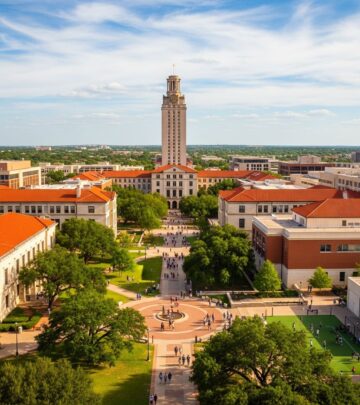
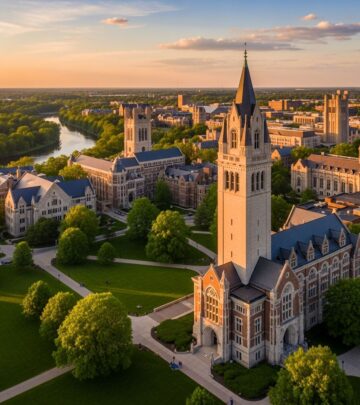
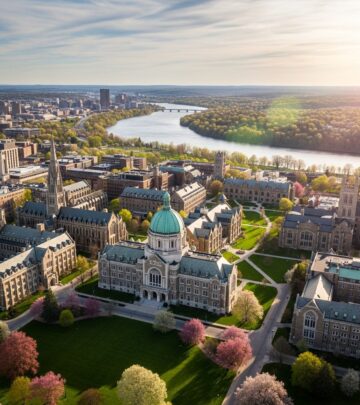
The University of Michigan’s Ann Arbor campus spans 780 acres comprising multiple distinct areas. The campus is divided into four main areas: Central Campus, North Campus, North Medical Campus, and Ross Athletic Campus. Combined, these areas include more than 500 major buildings with a total area exceeding 37.48 million square feet, providing state-of-the-art facilities for academic, research, and residential purposes.
North Campus houses specialized schools including the College of Engineering, School of Music Theatre & Dance, Stamps School of Art & Design, Taubman College of Architecture and Urban Planning, and an annex of the School of Information. The Duderstadt Center on North Campus serves as a hub for creative and technical work, containing the Art, Architecture and Engineering Library, multiple computer labs, video editing studios, electronic music studios, and a 3D virtual reality room.
The North Medical Campus, developed on Plymouth Road, contains several university-owned facilities providing outpatient care, diagnostics, and surgical services. All campus areas are connected through comprehensive bus services, with shuttle connections linking University Hospital and other medical facilities throughout the region.
Cost of Attendance and Financial Aid
Understanding the financial investment required to attend University of Michigan is crucial for prospective students and families. The university provides comprehensive information about tuition, fees, room and board, and other expenses associated with enrollment. Financial aid packages combine various sources including scholarships, grants, loans, and work-study opportunities to make education accessible to qualified students regardless of financial background.
The university’s commitment to affordability is reflected in its financial aid policies and commitment to meeting demonstrated financial need for admitted students. Prospective students should review detailed cost breakdowns available through the university’s admissions office to understand total cost of attendance and available financial resources.
Student Life and Campus Culture
Life at University of Michigan extends far beyond the classroom. Students describe the academic environment as challenging but fair, with passionate and responsive professors who provide meaningful support through office hours and discussion sections. While some large introductory courses can feel impersonal, the university’s academic support structure ensures students receive guidance navigating coursework.
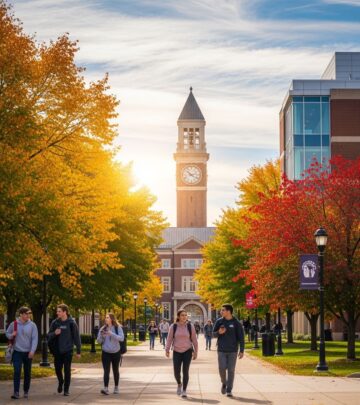
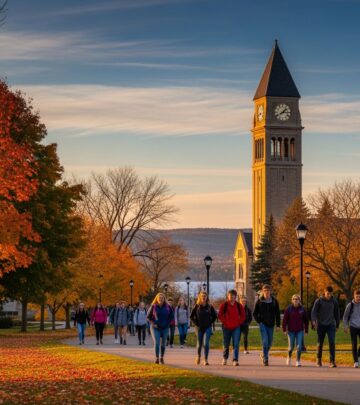
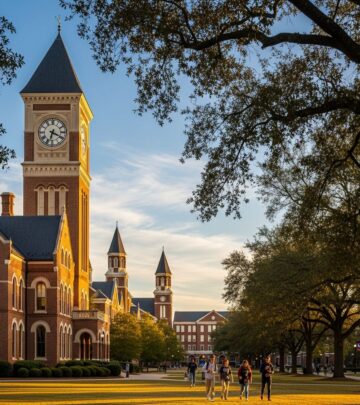
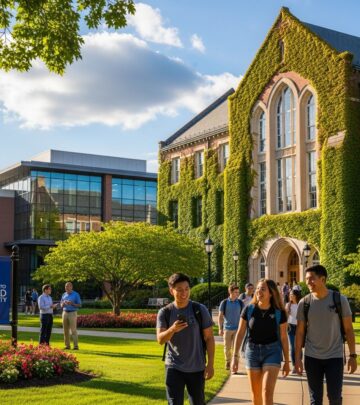
The campus itself is described as beautiful and walkable, seamlessly integrated with the city of Ann Arbor. Students appreciate the blend of a bustling college town atmosphere with a safe, welcoming community. The location provides abundant cultural amenities, dining options, and entertainment venues that enhance student life beyond campus boundaries.
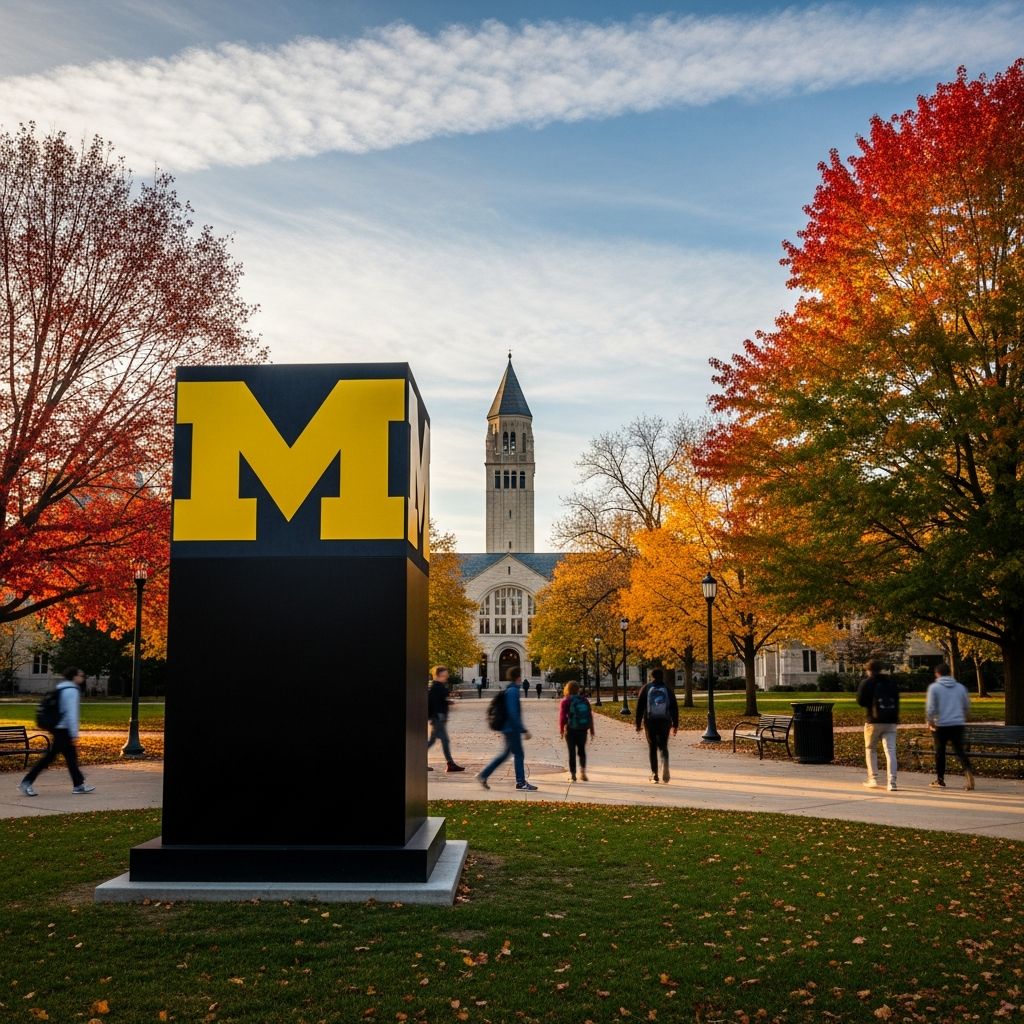
School spirit runs high at Michigan, particularly during athletic events and competitions. The university’s athletic tradition creates shared experiences that strengthen community bonds and foster lasting friendships. Residence halls feature theme communities where students with similar interests can live together, creating smaller communities within the larger institution.
Housing and Residential Life
The university offers diverse housing options to accommodate students at different stages of their academic careers. First-year and second-year students typically live in residence halls that serve as centers for community building and academic support. Upper-level students have access to off-campus apartments, houses, and cooperative housing arrangements that provide greater independence and flexibility.
Theme communities within residence halls allow students to immerse themselves among peers sharing similar academic interests, cultural backgrounds, or extracurricular commitments. These intentional communities foster deeper connections and provide support networks that enhance both academic success and personal well-being.
Research Opportunities
As a leading research institution, the University of Michigan provides unparalleled opportunities for students to engage in scholarly inquiry and discovery. The 615 new inventions reported in 2024 demonstrate the university’s commitment to innovation and knowledge creation. Students at all levels can participate in research projects across disciplines ranging from engineering and medicine to social sciences and humanities.
These research experiences provide invaluable preparation for graduate studies and professional careers, allowing students to develop critical thinking skills, methodological expertise, and professional networks. Faculty mentorship in research settings often leads to publications, presentations at academic conferences, and recognition within scholarly communities.
Healthcare and Medical Services
Michigan Medicine, the university’s academic medical center, stands among the nation’s leading healthcare providers. The system includes three hospitals and 125+ health clinics and centers serving the surrounding region. With 24,000 employees and 2.6 million patient visits annually, Michigan Medicine demonstrates significant clinical capacity and expertise.
The health system ranks on the Honor Roll of Best Hospitals according to U.S. News & World Report and maintains national rankings in 13 adult specialties and 10 children’s specialties. This medical infrastructure provides exceptional healthcare services to university students, employees, and the broader community.
Sustainability Initiatives
The University of Michigan demonstrates commitment to environmental responsibility through ambitious sustainability goals. The Ann Arbor campus achieved a 25% reduction in greenhouse gas emissions by 2022, surpassing its original target. Additionally, the campus protected Huron River water quality by minimizing runoff from impervious surfaces and reducing chemical applications to campus landscapes by 40%, achieved in 2019.
These accomplishments reflect the university’s progress toward carbon neutrality and broader environmental stewardship. The Office of Campus Sustainability continues developing new goals and initiatives to further reduce the institution’s environmental footprint while educating students about sustainable practices.
Graduate Outcomes and Retention
The University of Michigan demonstrates exceptional success in retaining and graduating enrolled students. The institution boasts a 93% graduation rate, reflecting strong academic support, engaged faculty, and institutional commitment to student success. This high graduation rate indicates that students who enroll at Michigan typically complete their degrees, a testament to the university’s supportive environment and rigorous academic programs.
Comparative Overview
| Metric | Data |
|---|---|
| Acceptance Rate | 16-18% |
| Undergraduate Enrollment | 32,345 full-time, 1,385 part-time |
| Total Student Population | ~46,000 |
| Undergraduate Majors | 250+ |
| Graduate Programs | 300+ (100 doctoral, 200 master’s) |
| Student Clubs | 1,400+ |
| Graduation Rate | 93% |
| Campus Size | 780 acres (37.48 million sq ft) |
| World Ranking (THE) | 23rd |
| QS World Ranking | 45th |
Frequently Asked Questions
Q: What is the acceptance rate at University of Michigan Ann Arbor?
A: University of Michigan Ann Arbor maintains a highly competitive acceptance rate of 16-18%, reflecting its selective admissions process and commitment to enrolling talented and motivated students.
Q: How many undergraduate majors does the university offer?
A: The university offers 250+ undergraduate majors across diverse disciplines, providing students with exceptional flexibility in specialization and course selection.
Q: What is the total student population at Michigan?
A: The University of Michigan has approximately 46,000 students, with roughly two-thirds being undergraduates and one-third graduate and professional students.
Q: What is the graduation rate at University of Michigan?
A: The university maintains an impressive 93% graduation rate, demonstrating strong academic support and institutional commitment to student success.
Q: Does University of Michigan offer housing for all students?
A: Yes, the university offers diverse housing options including residence halls for first and second-year students, and off-campus apartments, houses, and cooperatives for upper-level and graduate students.
Q: How is the campus organized?
A: The Ann Arbor campus is divided into four main areas: Central Campus, North Campus, North Medical Campus, and Ross Athletic Campus, all connected through comprehensive bus services.
Q: What research opportunities are available for students?
A: As a leading research institution, Michigan offers extensive opportunities for students to engage in scholarly inquiry, with 615 new inventions reported in 2024 and research spanning all academic disciplines.
Q: Is financial aid available to admitted students?
A: Yes, the university provides comprehensive financial aid packages combining scholarships, grants, loans, and work-study opportunities to make education accessible to qualified students.
References
- University of Michigan – Wikipedia — Wikimedia Foundation. 2025. https://en.wikipedia.org/wiki/University_of_Michigan
- University of Michigan-Ann Arbor – Times Higher Education World University Rankings — Times Higher Education. 2025. https://www.timeshighereducation.com/world-university-rankings/university-michigan-ann-arbor
- Facts & Figures — University of Michigan Official. 2024. https://umich.edu/facts-figures/
- University of Michigan – Ann Arbor – Niche College Profiles — Niche Inc. 2025. https://www.niche.com/colleges/university-of-michigan-ann-arbor/
- University of Michigan-Ann Arbor Rankings, Fees & Courses Details — QS Top Universities. 2025. https://www.topuniversities.com/universities/university-michigan-ann-arbor
- University of Michigan Ann Arbor – BigFuture College Search — College Board. 2025. https://bigfuture.collegeboard.org/colleges/university-of-michigan-ann-arbor
- About University of Michigan — University of Michigan Official. 2025. https://umich.edu/about/
Similar Articles








Read full bio of medha deb