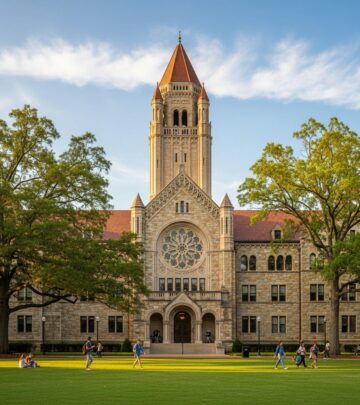
University of Georgia: Profile, Rankings & College Guide
Discover UGA's academic excellence, vibrant campus life, and top-tier programs.
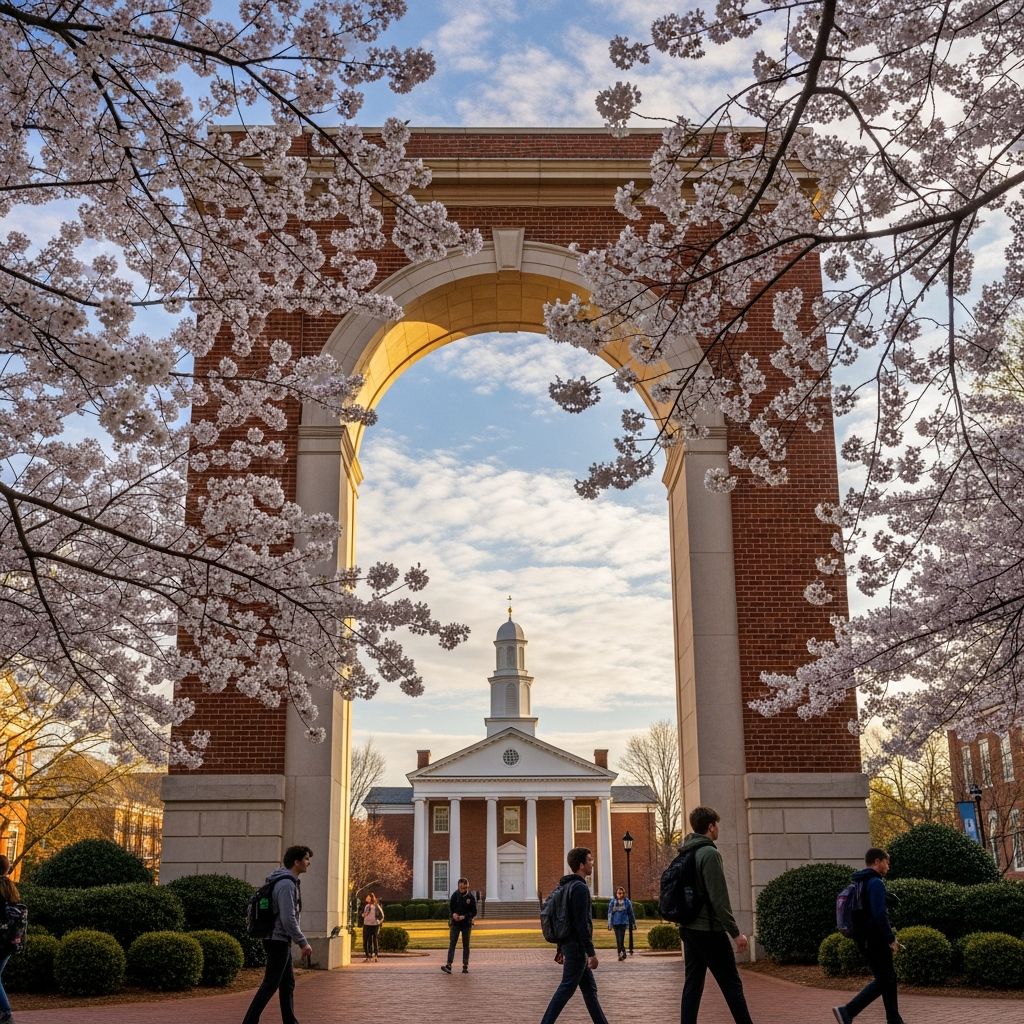
University of Georgia: One of America’s Premier Public Universities
The University of Georgia stands as one of the nation’s oldest public universities, with a legacy spanning well over two centuries. Despite its long history, UGA continues to evolve and grow, maintaining its position as a leading institution in American higher education. Today, the university serves approximately 32,000 undergraduate students and offers more than 20 bachelor’s degree programs across over 140 major fields of study. This combination of size, diversity, and academic rigor makes UGA an attractive choice for students seeking a comprehensive university experience.
Academic Excellence and Graduation Rates
One of the most impressive metrics reflecting UGA’s educational quality is its six-year graduation rate of more than 87%, which significantly exceeds the national average. This high graduation rate demonstrates the institution’s commitment to student success and its effective support systems. The university received a 4.5-star rating in recent rankings, with particular emphasis placed on its high graduation rate and comprehensive scholarship support. This recognition underscores UGA’s dedication to helping students complete their degrees on time and with manageable debt levels.
Approximately 9 in 10 UGA students receive some form of financial aid, making the university accessible to students from diverse economic backgrounds. This commitment to affordability and accessibility is fundamental to UGA’s mission and contributes to its strong graduation outcomes.
Prestigious Programs and Degree Offerings
The University of Georgia houses some of the nation’s most respected academic programs. The Grady College of Journalism and Mass Communication is particularly notable, as it oversees the prestigious Peabody Awards, which honor outstanding contributions in television, radio, podcasting, and digital media. This connection provides UGA journalism students with unique opportunities to engage with industry leaders and understand excellence in their field.
Beyond journalism, UGA offers extensive opportunities across numerous disciplines. Students can pursue degrees in business, engineering, liberal arts, sciences, and numerous other fields. The breadth of academic offerings allows students to tailor their education to their specific interests and career goals.
National Recognition and Scholarships
UGA attracts an impressive number of students and faculty members who earn national awards and recognition each year. The university regularly produces Rhodes Scholars, Fulbright Fellows, and Marshall Scholars, indicating the caliber of academic achievement and the university’s role in developing future leaders. This tradition of national recognition reflects both the quality of UGA’s faculty and the caliber of students who choose to attend.
Cultural and Academic Resources
Beyond its academic programs, the University of Georgia houses some of the state’s most significant cultural and intellectual resources. The university maintains a rare books collection that attracts scholars from around the world. Additionally, UGA is home to the Georgia Writers Hall of Fame, celebrating the literary contributions of authors connected to the state. The university also houses the state’s official art and natural history museums, making it a hub for cultural enrichment and intellectual exploration.
These resources enrich the educational experience for UGA students and contribute to the broader intellectual life of the institution and the state of Georgia. Students have access to world-class collections and exhibitions without leaving campus.
Campus Life and Social Activities
The social scene at the University of Georgia is vibrant and multifaceted. Fraternities and sororities play a significant role in campus life, providing community and social opportunities for many students. However, social activities extend far beyond Greek life, encompassing a wide array of clubs, organizations, and events throughout the academic year.
College football is central to UGA’s identity and culture. During football season, weekends revolve around cheering on the Bulldogs, with home games drawing massive crowds and creating an electric atmosphere. The tradition of Bulldog football creates a shared sense of community and school spirit that permeates the campus.
Athens: A Top College Town
The University of Georgia is located in Athens, Georgia, which is widely considered one of the country’s top college towns. Athens offers students an exceptional quality of life with excellent dining options, vibrant music venues, and cultural attractions. The city’s restaurant scene is particularly strong, offering everything from casual eateries to upscale dining experiences that cater to diverse tastes and budgets.
The music and arts scene in Athens is legendary. The city hosts AthFest, a three-day music and arts festival that draws visitors from across the region. Beyond AthFest, Athens boasts numerous live music venues, art galleries, and cultural events throughout the year. This creative energy makes Athens an ideal location for students seeking cultural enrichment and entertainment beyond the classroom.
Undergraduate Enrollment and Diversity
With approximately 32,000 undergraduate students, UGA is a large university that nonetheless maintains a sense of community. The university’s size provides students with access to diverse perspectives, networking opportunities, and a broad range of academic and social activities. The wide range of majors and minors ensures that students can find programs aligned with their interests and career aspirations.
The diversity of UGA’s student body—in terms of geographic origin, socioeconomic background, and academic interests—enriches the campus environment. Students learn from peers with different perspectives and life experiences, preparing them for success in an increasingly interconnected world.
Financial Aid and Affordability
Financial accessibility is a cornerstone of UGA’s mission. With approximately 9 in 10 students receiving financial aid, the university demonstrates a serious commitment to making education affordable. This comprehensive approach to financial support helps students graduate with manageable debt levels and positions them for financial success after graduation.
The university’s financial aid programs include grants, scholarships, loans, and work-study opportunities. Prospective students can use the university’s net price calculator to determine their individual cost of attendance and understand what financial aid packages might look like.
Alumni Success and Graduate Outcomes
UGA graduates go on to successful careers across numerous fields. The university’s strong reputation and extensive alumni network provide graduates with competitive advantages in the job market. Many UGA alumni hold leadership positions in business, government, academia, and other sectors, creating mentorship and networking opportunities for current students.
The university’s career services office works with students throughout their academic career to prepare them for the workforce. Through internship programs, networking events, and interview preparation, UGA helps students transition successfully from campus to career.
Research Opportunities
UGA is a research-intensive institution where undergraduate students have opportunities to participate in faculty-led research projects. These experiences allow students to apply classroom learning to real-world problems, develop critical thinking skills, and explore potential graduate school or career paths. Participation in research can significantly enhance a student’s resume and professional development.
Frequently Asked Questions
Q: What is the University of Georgia’s six-year graduation rate?
A: The University of Georgia has a six-year graduation rate of more than 87%, which is well above the national average and reflects strong student support systems.
Q: How many undergraduate students attend UGA?
A: The University of Georgia has approximately 32,000 undergraduate students enrolled across its various schools and colleges.
Q: What percentage of UGA students receive financial aid?
A: Approximately 9 in 10 UGA students receive financial aid, making the university accessible to students from diverse economic backgrounds.
Q: What is notable about Grady College of Journalism and Mass Communication?
A: Grady College oversees the prestigious Peabody Awards, which honor outstanding contributions in television, radio, podcasting, and digital media.
Q: What makes Athens, Georgia a good college town?
A: Athens is considered one of the country’s top college towns, featuring excellent restaurants, a vibrant music scene, art galleries, and cultural events like AthFest.
Q: What national scholarships have UGA students and faculty won?
A: UGA students and faculty regularly earn Rhodes Scholarships, Fulbright Fellowships, and Marshall Scholarships, indicating the university’s commitment to academic excellence.
Q: What cultural resources are available on the UGA campus?
A: UGA houses a rare books collection, the Georgia Writers Hall of Fame, and the state’s official art and natural history museums.
References
- University of Georgia, GA – Complete Profile, Rankings and Data — Money Magazine. 2025. https://money.com/best-colleges/profile/university-of-georgia/
- These Are the 745 Best Colleges in America — Money Magazine. 2024. https://money.com/best-colleges-in-america-2024/
- UGA named one of America’s best colleges — University of Georgia News. 2024. https://news.uga.edu/uga-best-colleges/
Similar Articles








Read full bio of medha deb