University of Colorado Boulder: Profile & Guide
Explore CU Boulder's academics, campus life, admissions, and career outcomes.
University of Colorado Boulder: Overview and Profile
The University of Colorado Boulder stands as Colorado’s flagship public research university, offering a comprehensive educational experience since its founding in 1876. Located in Boulder at the foot of the Rocky Mountains, approximately 27 miles northwest of Denver, CU Boulder has established itself as one of the nation’s premier research institutions. With an enrollment of over 38,000 students as of fall 2025, the university provides a dynamic learning environment that balances large-scale research opportunities with intimate educational experiences.
As a member of the Association of American Universities and classified among “R1: Doctoral Universities – Very high research activity,” CU Boulder demonstrates exceptional commitment to advancing knowledge across multiple disciplines. The university attracts over $634 million in annual research funding and has produced five Nobel Laureates since 1989. Perhaps most notably, CU Boulder is the only university in the world to have sent scientific instruments to every planet in the solar system, reflecting its unparalleled contributions to space exploration and scientific discovery.
Academic Structure and Programs
CU Boulder’s academic framework consists of nine colleges and schools offering more than 150 undergraduate programs and numerous graduate and doctoral degree options. This expansive portfolio encompasses fields ranging from engineering and business to environmental design, music, law, and communication. With approximately 3,400 courses available across 270+ fields of study, students have exceptional flexibility in customizing their educational pathways.
The College of Arts and Sciences represents the largest academic division on campus, though the university’s other colleges and schools—including the College of Engineering and Applied Science, the Leeds School of Business, and the College of Communication, Media, Design and Information—maintain strong national reputations in their respective fields. Each college integrates research opportunities into coursework, allowing undergraduate and graduate students to engage with faculty working on cutting-edge projects. Engineering and business programs are particularly renowned, with significant recognition for aerospace engineering, environmental sciences, and media studies.
Class sizes vary considerably by discipline and academic level. Introductory courses in popular majors like business and engineering may accommodate several hundred students, while advanced seminars typically shrink to 25 to 30 participants. This structure ensures that while students benefit from exposure to leading scholars and diverse perspectives in foundational courses, they also experience more personalized instruction as they progress through their major coursework.
Admissions Requirements and Process
Acceptance Rates and Selectivity
CU Boulder maintains a selective admissions process, with an overall acceptance rate of approximately 76–83%, depending on the admission cycle. However, this overall figure masks significant variation across academic programs. Engineering and business programs are notably more competitive, with acceptance rates substantially lower than the university average. This selectivity reflects CU Boulder’s commitment to assembling a talented and diverse student body prepared for rigorous graduate-level coursework.
Test Scores and Academic Credentials
Prospective students should prepare for the following standardized testing expectations:
– SAT Range: 1170–1390- ACT Range: 27–32- Average High School GPA: 3.7
While these figures represent typical admitted student profiles, CU Boulder employs holistic review processes that consider essays, extracurricular activities, demonstrated interests, and personal circumstances. Students with exceptional achievements in specific areas may still gain admission despite testing scores slightly below average ranges.
Application Materials
The admissions process requires submission of standardized test scores, high school transcripts, letters of recommendation, and personal essays. CU Boulder encourages applicants to highlight unique perspectives, leadership experiences, and intellectual curiosity. The university also considers demonstrated interest and the fit between student goals and institutional strengths.
Campus Life and Student Experience
Physical Campus and Setting
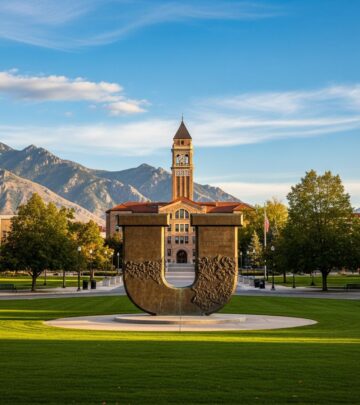
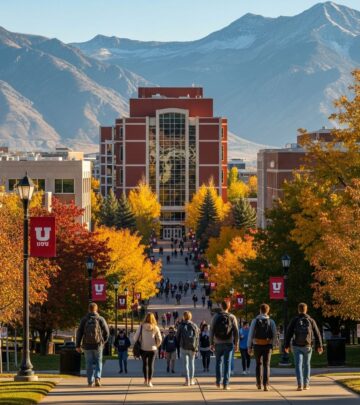
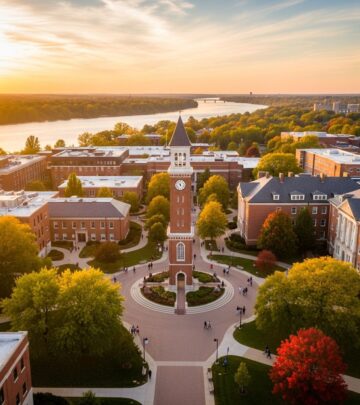
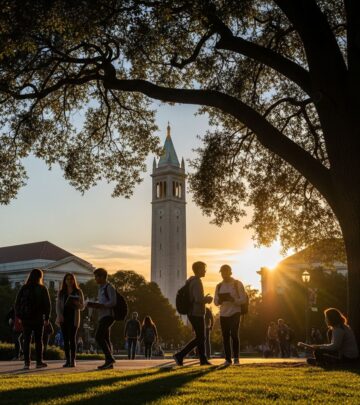
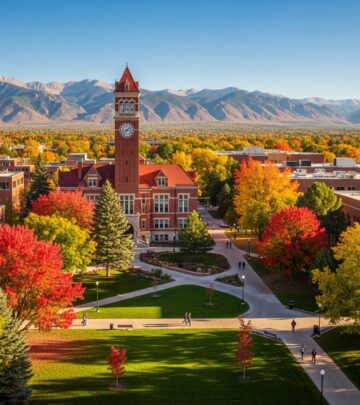
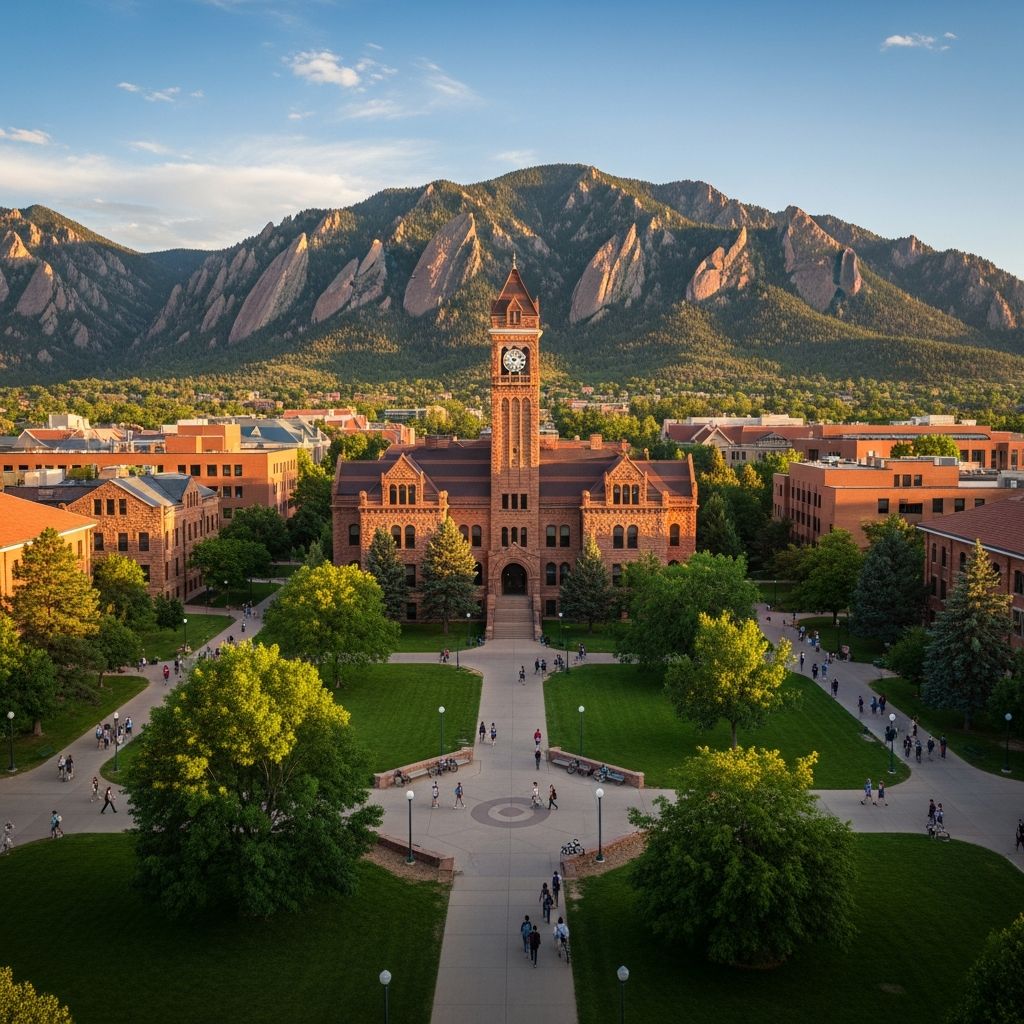
CU Boulder’s 600-acre main campus spans south of the Pearl Street Mall and east of Chautauqua Auditorium, incorporating academic buildings, residential halls, and state-of-the-art research facilities. An additional East Campus, approximately a quarter-mile away, houses athletic fields and research infrastructure. The university’s location has earned recognition from Travel + Leisure and Condé Nast Traveler as one of the most beautiful college campuses in the United States, offering spectacular views of the Flatirons and surrounding mountain ranges.
Student-to-Faculty Engagement
The university maintains a student-to-faculty ratio of 18:1, facilitating meaningful interactions between students and instructors. This ratio improves dramatically in upper-level courses, where class discussions and research collaborations become central to the educational experience. Faculty members regularly integrate their research into classroom instruction, providing students with access to cutting-edge scholarship across disciplines.
Community and Residential Life
CU Boulder functions as a primarily residential campus, with extensive on-campus housing and vibrant student communities. The university emphasizes fostering belonging and mattering among all students through residential learning communities, affinity groups, and co-curricular programming. Boulder’s location as a hub for startups, sustainability initiatives, and technological innovation creates abundant internship and research opportunities directly connected to industry needs.
Financial Considerations
Tuition and Fees
CU Boulder’s cost structure reflects its status as a public research university:
– In-State Tuition & Fees: Approximately $13,500 per year- Out-of-State Tuition & Fees: Approximately $40,500 per year- Average Cost Per Year After Financial Aid: Approximately $23,000
Financial Aid and Support
The university offers comprehensive financial aid packages including federal and state grants, institutional scholarships, student loans, and employment opportunities. The financial aid office works with families to maximize available resources and create manageable payment plans. First-generation students and those from underrepresented backgrounds receive targeted support and scholarship opportunities.
Graduation and Career Outcomes
Graduation Rates
CU Boulder reports a graduation rate of 75%, with freshman retention rates of 87%, indicating strong student persistence and satisfaction. These metrics reflect the university’s commitment to student success through academic support services, career counseling, and mentoring programs.
Career Preparation and Placement
The university’s location near Denver’s growing technology sector and connections to national laboratories, NASA, and renewable energy companies provide substantial career development opportunities. CU Boulder graduates enter fields including aerospace engineering, technology, environmental policy, business, and media. The proximity to Boulder’s entrepreneurial community offers students direct exposure to startup environments and innovation ecosystems.
Research Excellence and Innovation
Research Funding and Output
With over $634 million in annual research funding, CU Boulder ranks 50th nationally in research expenditures. The university receives more NASA astrophysics technology grants than any other academic institution, reflecting particular strength in space exploration and atmospheric sciences. Faculty and student researchers contribute to initiatives addressing climate change, renewable energy, aerospace technology, and sustainability challenges.
Undergraduate Research Opportunities
CU Boulder integrates research into the undergraduate experience through laboratory assistantships, independent study projects, and mentored research partnerships. Students across all colleges can engage with faculty-led investigations, gaining practical experience in scientific methodology and disciplinary practices.
Sustainability and Social Impact
CU Boulder has positioned itself as a leader in sustainability education and practice. The university expands sustainability-focused academic programs across the curriculum, harnesses research expertise to address local, national, and global environmental challenges, and operationalizes campus initiatives to reduce carbon emissions. These efforts align with Colorado’s commitment to becoming the most sustainable state in the United States.
Distinctive Characteristics and Strengths
Academic Reputation
CU Boulder maintains particularly strong reputations in aerospace engineering, business, environmental sciences, physics, and communication studies. The university’s business program consistently ranks among top public institutions, while its environmental science offerings reflect cutting-edge scholarship in sustainability. Physics programs benefit from faculty expertise spanning astrophysics, atmospheric science, and experimental physics.
Geographic Advantages
Boulder’s location provides unparalleled access to outdoor recreation, cultural institutions, and professional networking opportunities. The city hosts numerous technology companies, renewable energy firms, and research organizations, creating pathways from classroom learning to professional employment. The proximity to national laboratories and government research facilities enhances internship and career prospects for engineering and science students.
Student Support and Success Services
CU Boulder prioritizes student success through early intervention programs, tutoring services, writing centers, career counseling, and mental health support. The university ensures early access to support and community for all learners, coordinating academic success efforts across diverse student populations. Professional development opportunities and flexible academic pathways accommodate varied student needs and learning styles.
Diversity, Equity, and Inclusion
The university remains committed to creating an inclusive community where all students, faculty, and staff experience belonging. CU Boulder works to increase representation of underrepresented groups, provides targeted support services, and incorporates perspectives from diverse backgrounds throughout the curriculum. The institution recognizes mattering and community-building as essential to academic success and personal development.
Frequently Asked Questions
Q: What makes CU Boulder different from other public research universities?
A: CU Boulder combines research excellence, particularly in aerospace and environmental science, with a commitment to undergraduate education. Its unique distinction includes sending instruments to every planet in the solar system and receiving more NASA astrophysics grants than any other institution. The Boulder location also provides distinctive access to innovation ecosystems and natural beauty.
Q: What is the typical student experience in large introductory courses?
A: Introductory courses, particularly in engineering and business, may enroll hundreds of students and use lecture hall settings. However, professors integrate research into instruction, and upper-level courses shrink dramatically to 25–30 students. Discussion-based humanities and advanced courses typically maintain smaller enrollments from the outset.
Q: How does CU Boulder support career development?
A: The university offers extensive career counseling, internship placements, research opportunities with faculty, and connections to Boulder’s startup community and Denver’s tech sector. Location near national labs and renewable energy companies provides direct pathways to professional opportunities.
Q: What financial aid is available for out-of-state students?
A: CU Boulder provides comprehensive financial aid packages including federal and state grants, merit scholarships, institutional aid, and student employment. Out-of-state students should complete FAFSA and explore merit-based opportunities. The financial aid office helps maximize available resources.
Q: How selective is CU Boulder’s engineering program?
A: Engineering is notably more selective than the overall university admission rate. While the general acceptance rate is approximately 76–83%, engineering programs maintain more competitive thresholds. Applicants should have strong math and science preparation and demonstrate sustained interest in engineering disciplines.
Q: What research opportunities exist for undergraduate students?
A: CU Boulder integrates research throughout the undergraduate experience through laboratory positions, independent study courses, mentored research partnerships, and honors theses. Faculty across all colleges mentor undergraduate researchers, providing practical experience in their fields.
Q: Does CU Boulder offer study abroad programs?
A: Yes, CU Boulder provides extensive study abroad opportunities through exchange programs, faculty-led courses, and partnerships with international institutions. Students can gain global perspectives while earning credit toward their degrees.
Q: How does the Boulder location enhance the educational experience?
A: Boulder’s location provides internships with startups and tech companies, access to outdoor recreation and natural beauty, cultural institutions, and professional networking with individuals in renewable energy, aerospace, and technology sectors. The location creates distinctive opportunities not available at universities in urban cores or rural areas.
References
- About CU Boulder — University of Colorado Boulder. 2025. https://www.colorado.edu/about
- University of Colorado Boulder – Wikipedia — Wikimedia Foundation. 2025. https://en.wikipedia.org/wiki/University_of_Colorado_Boulder
- University of Colorado Boulder Overview — CollegeData. 2025. https://www.collegedata.com/college-search/University-of-Colorado-Boulder
- University of Colorado Boulder — BigFuture College Search, College Board. 2025. https://bigfuture.collegeboard.org/colleges/university-of-colorado-boulder
- University of Colorado Boulder — Niche. 2025. https://www.niche.com/colleges/university-of-colorado-boulder/
- CU Boulder Catalog 2025–26 — University of Colorado Boulder. 2025. https://catalog.colorado.edu
Similar Articles








Read full bio of medha deb