Uninsured Motorist Coverage Essentials
Discover why uninsured motorist coverage is a vital shield against uninsured drivers, hit-and-runs, and underinsured at-fault parties on today's roads.
Uninsured motorist coverage, commonly abbreviated as UM, serves as a critical layer of protection in auto insurance policies, stepping in when the at-fault driver lacks sufficient or any insurance to cover damages and injuries.
Core Components of Uninsured Motorist Protection
This coverage primarily addresses two main areas: bodily injury and, in select cases, property damage. Uninsured motorist bodily injury (UMBI) handles medical expenses, lost wages, pain and suffering, and funeral costs arising from collisions with drivers who have no liability insurance. For instance, if you’re rear-ended by an uninsured motorist and incur hospital bills or rehabilitation costs, UMBI can compensate for these without pursuing the at-fault party directly.
Underinsured motorist (UIM) coverage complements UM by activating when the responsible driver’s policy falls short of covering full damages. This is particularly relevant given statistics showing about 1 in 8 drivers are uninsured or underinsured.
- Medical bills: Emergency care, surgeries, therapies, and ongoing treatments.
- Lost income: Wages forfeited due to recovery time from injuries.
- Non-economic damages: Compensation for emotional distress and physical pain.
- Pedestrian incidents: Protection even if you’re not in your vehicle when struck by an uninsured driver.
Property Damage Under Uninsured Motorist Policies
Not all states include property damage in standard UM coverage, distinguishing it from bodily injury protections. Uninsured motorist property damage (UMPD) covers vehicle repairs or replacement up to the actual cash value when damaged by an uninsured at-fault driver. In California, for example, UMPD is capped at $3,500 per accident with a deductible applying first.
| Coverage Type | What It Covers | State Availability Notes |
|---|---|---|
| UMBI | Bodily injury expenses for you and passengers | Available nationwide; mandatory in ~20 states |
| UMPD | Vehicle repairs, personal property (limited states) | Not offered in all states; often requires no collision coverage |
| UIM | Gaps in at-fault driver’s liability limits | Paired with UM; required in many states |
UMPD differs from collision coverage, which pays regardless of fault but typically involves a higher deductible. Drivers without collision might opt for UMPD to avoid out-of-pocket costs from uninsured hits.
Navigating State-Specific Regulations
UM requirements vary widely across the U.S. Approximately 20 states plus Washington, D.C., mandate UM coverage, while others like New Hampshire and Virginia offer alternatives such as fees or opt-outs. Insurers must automatically offer UM/UIM limits matching your liability coverage, allowing selection of lower amounts or rejection in writing.
- In mandatory states, minimum limits apply, often aligning with bodily injury liability requirements.
- Optional states encourage purchase due to prevalent uninsured drivers.
- Hit-and-run scenarios qualify under UM in most jurisdictions if police reports are filed promptly.
California exemplifies strict rules: insurers offer UM up to liability limits, and rejecting requires signed waiver. Always review your policy declarations page for included limits.
Real-World Applications and Hit-and-Run Scenarios
Imagine a scenario where an unidentified vehicle clips your car in traffic, fleeing the scene. UM coverage can reimburse eligible losses if you provide evidence like witness statements or photos. Similarly, pedestrians or cyclists hit by uninsured motorists claim under their own policies, extending protection beyond vehicle occupants.
UM does not duplicate medical payments (MedPay) or personal injury protection (PIP), which pay irrespective of fault. Instead, it requires proving the other driver’s liability, enabling recovery for broader damages like diminished vehicle value or rental cars in some policies.
Financial Implications and Cost Analysis
Adding UM/UIM typically increases premiums modestly, often 10-20% depending on limits and location. Higher-risk areas with more uninsured drivers see elevated rates, but the protection outweighs costs given potential claims exceeding $50,000.
Selecting limits equal to or higher than liability coverage maximizes security. For a policy with $100,000 per person liability, matching UM ensures full gap coverage.
Comparing UM with Other Auto Coverages
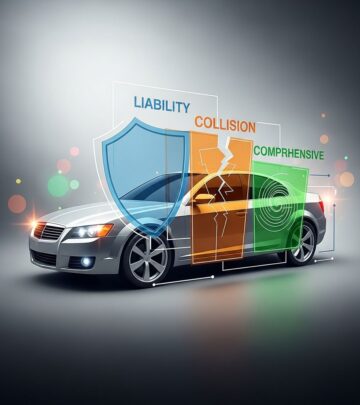
| Feature | Uninsured Motorist (UM) | Collision | MedPay/PIP |
|---|---|---|---|
| Fault Requirement | Other driver at fault, uninsured | No fault needed | No fault needed |
| Covers Property | Limited UMPD in some states | Full vehicle damage | No |
| Pain & Suffering | Yes | No | No |
| Hit-and-Run | Yes | Yes | No |
Collision offers broader vehicle protection but at higher cost; UM focuses on liability gaps.
When to Enhance or Decline Coverage
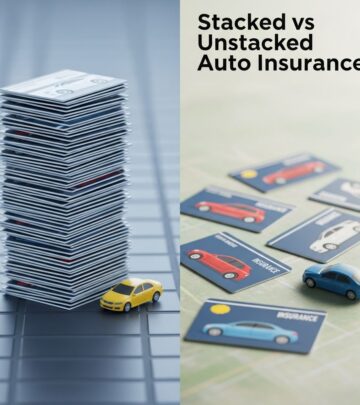
Opt for higher UM limits if you drive in urban areas with high uninsured rates or lack robust health insurance. Families with multiple vehicles benefit from stacking policies, combining limits across cars (where permitted).
Decline only if financially secure against major losses, but experts universally recommend retention given rising medical costs.
Frequently Asked Questions
Is uninsured motorist coverage the same as underinsured?
No; UM covers drivers with zero insurance, while UIM addresses insufficient limits.
Does UM cover hit-and-run accidents?
Yes, in most states, provided you report to police and meet policy conditions.
Can I claim UM if I’m a pedestrian?
Yes, many policies extend to pedestrians hit by uninsured drivers.
What if I have collision coverage—do I need UMPD?
Often unnecessary, as collision is more comprehensive, but check state rules.
How much UM coverage should I buy?
Match or exceed your liability limits for optimal protection.
Steps to Verify and Purchase UM Coverage
- Review your current policy for UM/UIM inclusions and limits.
- Contact your insurer to adjust limits or add UMPD if available.
- Shop quotes from multiple providers for competitive rates.
- File claims promptly with documentation like police reports.
Proactive management ensures readiness for unforeseen road risks.
References
- What Is Uninsured Motorist Coverage? — Farmers Insurance. 2023. https://www.farmers.com/learn/insurance-questions/what-is-uninsured-motorist-coverage/
- What is Uninsured Motorist Coverage? UM/UIM Explained in CA — Victims Lawyer. 2024. https://www.victimslawyer.com/blog/what-is-uninsured-motorist-coverage-um-uim-explained-in-ca/
- What is Uninsured & Underinsured Motorist Coverage? — State Farm. 2025. https://www.statefarm.com/insurance/auto/coverage-options/uninsured-and-underinsured-coverage
- UM/UIM: What Is Uninsured Motorist Coverage? — Progressive. 2024. https://www.progressive.com/answers/uninsured-motorist-insurance/
- Uninsured and Underinsured Motorist Coverage Explained — GEICO. 2025. https://www.geico.com/information/aboutinsurance/auto/uninsured-underinsured-motorist/
- The difference between uninsured and underinsured motorists — Secura Insurance. 2023. https://www.secura.net/blog/the-difference-between-uninsured-and-underinsured-motorists
Similar Articles








Read full bio of medha deb