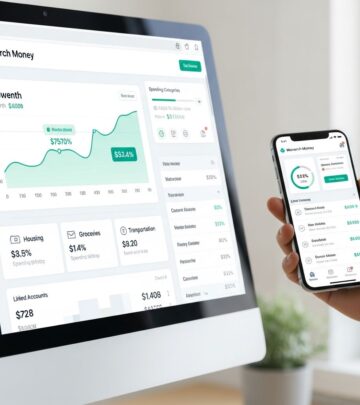
Unlocking the Power of Unified Investment Portfolios
Discover how merging your financial accounts simplifies management, cuts costs, and strengthens long-term planning for a brighter future.

Merging scattered financial holdings into a single platform transforms how individuals oversee their wealth. This approach minimizes daily hassles, sharpens strategic decisions, and often trims unnecessary expenses, paving the way for more effective wealth growth.
The Case for Streamlining Your Financial Holdings
Over years of career changes, life transitions, and varied saving habits, many people accumulate accounts across banks, brokerages, and retirement providers. This fragmentation leads to overlooked opportunities and heightened complexity. Bringing everything under one roof offers a holistic perspective, enabling precise tracking of performance and alignment with personal objectives.
Consider the mental load: juggling logins, statements, and deadlines across platforms drains time and focus. A unified setup eliminates this noise, allowing concentration on growth rather than administration.
Key Advantages of a Consolidated Financial Picture
Centralizing assets delivers tangible gains across multiple dimensions. Here’s a breakdown of primary benefits:
- Effortless Monitoring: View balances, transactions, and trends in one dashboard, reducing errors from manual reconciliation.
- Cost Savings: Consolidate to qualify for tiered fee reductions or waivers, as total assets often unlock better rates.
- Strategic Insights: Assess true diversification, spotting overlaps or gaps that individual views might miss.
- Simplified Compliance: Handle tax forms and regulatory requirements from a single source, easing annual filings.
Enhancing Investment Decision-Making
With all data centralized, portfolio adjustments become straightforward. Investors can rebalance allocations swiftly, ensuring alignment with risk profiles and market conditions. For instance, identifying redundant holdings prevents overconcentration in volatile sectors.
Advanced techniques like tax-loss harvesting thrive in this environment. Spotting losses across the entire portfolio maximizes offsets against gains, potentially lowering tax burdens without fragmented data hindering visibility.
| Aspect | Fragmented Accounts | Consolidated Accounts |
|---|---|---|
| Portfolio Visibility | Limited to silos | Complete overview |
| Rebalancing Time | Multiple steps | Single action |
| Fee Exposure | Higher per account | Volume discounts |
| Tax Strategy | Partial data | Full optimization |
Retirement Savings Optimization
Retirement vehicles like 401(k)s from past employers and IRAs often proliferate. Consolidating them into one IRA simplifies Required Minimum Distribution (RMD) calculations, vital post-age 73. It also streamlines beneficiary updates and withdrawal planning, avoiding compliance pitfalls.
Providers frequently offer tailored funds, such as target-date options that auto-adjust risk as retirement nears. This hands-off approach suits those preferring minimal intervention while ensuring diversified growth.
However, timing matters: transfers may temporarily park funds in low-yield cash equivalents, so plan during stable markets to minimize opportunity costs.
Estate and Legacy Protection
A fragmented estate burdens heirs with locating assets, navigating varied processes, and managing timelines. Unified accounts provide clear documentation, expediting transfers and reducing legal entanglements.
For high-net-worth individuals, consolidation unlocks specialized services like trust setup, philanthropic strategies, and tax-efficient transfers. These tools preserve wealth across generations, aligning with enduring family visions.
Navigating Potential Drawbacks
While benefits dominate, awareness of risks is crucial. Consolidation might expose portfolios to single-institution policies, such as limited asset options or temporary liquidity dips during transfers.
Some accounts carry exit fees or tax triggers if mishandled. Always review plan specifics—protected pensions may lose guarantees upon transfer.
- Assess transfer fees and penalties upfront.
- Verify insurance coverage remains intact.
- Consult advisors for tax implications, especially with employer plans.
Practical Steps to Merge Your Accounts
Embark on consolidation methodically to ensure smooth execution:
- Inventory Holdings: List all accounts, balances, and providers. Categorize by type (e.g., brokerage, retirement, banking).
- Evaluate Suitability: Select a destination platform with low costs, robust tools, and alignment to goals.
- Check Restrictions: Note any lockups, fees, or tax events from closures.
- Initiate Transfers: Use in-kind where possible to avoid sales; leverage provider assistance for ACATS (Automated Customer Account Transfer Service).
- Verify and Update: Confirm arrivals, adjust allocations, and notify relevant parties (e.g., beneficiaries).
- Monitor Post-Transfer: Track for a quarter to affirm performance and compliance.
Choosing the Right Platform for Unity
Opt for institutions emphasizing low fees, broad investment choices, and advisory support. Those offering relationship managers for substantial portfolios provide personalized guidance on complex needs like alternative investments or cash flow solutions.
Digital tools for real-time analytics and automated features further amplify efficiency, catering to both active and passive investors.
Real-World Impact: Case for Action
Investors report reclaiming hours monthly post-consolidation, redirecting energy to goal-setting. One study notes average fee reductions of 0.2-0.5% annually, compounding significantly over decades. For retirement-focused individuals, unified views prevent drift from target allocations, bolstering security.
Frequently Asked Questions
Is consolidating safe for my assets?
Yes, regulated transfers via ACATS protect holdings in-kind. SIPC insurance covers up to $500,000 per account, often higher with excess coverage.
Does it affect my tax situation?
Direct rollovers preserve tax-deferred status. Watch for taxable events in non-qualified transfers; professional advice mitigates risks.
Can I consolidate everything, including checking accounts?
Focus on investments first; banking consolidation aids cash flow but prioritize yield and FDIC limits across institutions.
What if I change my mind later?
Transfers are reversible, though fees may apply. Maintain flexibility by choosing versatile platforms.
How long does the process take?
Typically 5-10 business days for brokerages; retirement plans may extend to weeks. Plan ahead to avoid disruptions.
Empowering Your Financial Journey
Account unification isn’t merely administrative—it’s a catalyst for empowered wealth stewardship. By shedding complexity, you gain clarity to pursue ambitions, safeguard retirements, and secure legacies. Assess your setup today; the path to streamlined prosperity awaits.
References
- Benefits of Consolidating Your Investment Accounts — Vanguard Investor Resources. 2023. https://investor.vanguard.com/investor-resources-education/article/benefits-of-account-consolidation
- Account Consolidation: Streamline Your Finances — Vanguard Investor Resources. 2023. https://investor.vanguard.com/investor-resources-education/article/account-consolidation
- Should I Combine My Pension Plans? — Vanguard UK Investor. 2024. https://www.vanguardinvestor.co.uk/articles/latest-thoughts/retirement/should-i-combine-my-pension-plans
- 3 Hidden Risks of Consolidating Your Retirement Accounts — Savant Wealth Management. 2023. https://savantwealth.com/university-wealth-management/3-hidden-risks-of-consolidating-your-retirement-accounts/
- Should I Combine My Retirement Accounts? — Vanguard Own Your Future. 2023. https://ownyourfuture.vanguard.com/content/en/learn/saving-for-retirement/should-i-combine-my-retirement-accounts.html
- An Account Transfer Makes Investing Easier — Vanguard Investor. 2023. https://investor.vanguard.com/account-transfer
Similar Articles








Read full bio of medha deb