Unified Banking: Streamline Your Financial Life
Discover how consolidating accounts transforms banking efficiency
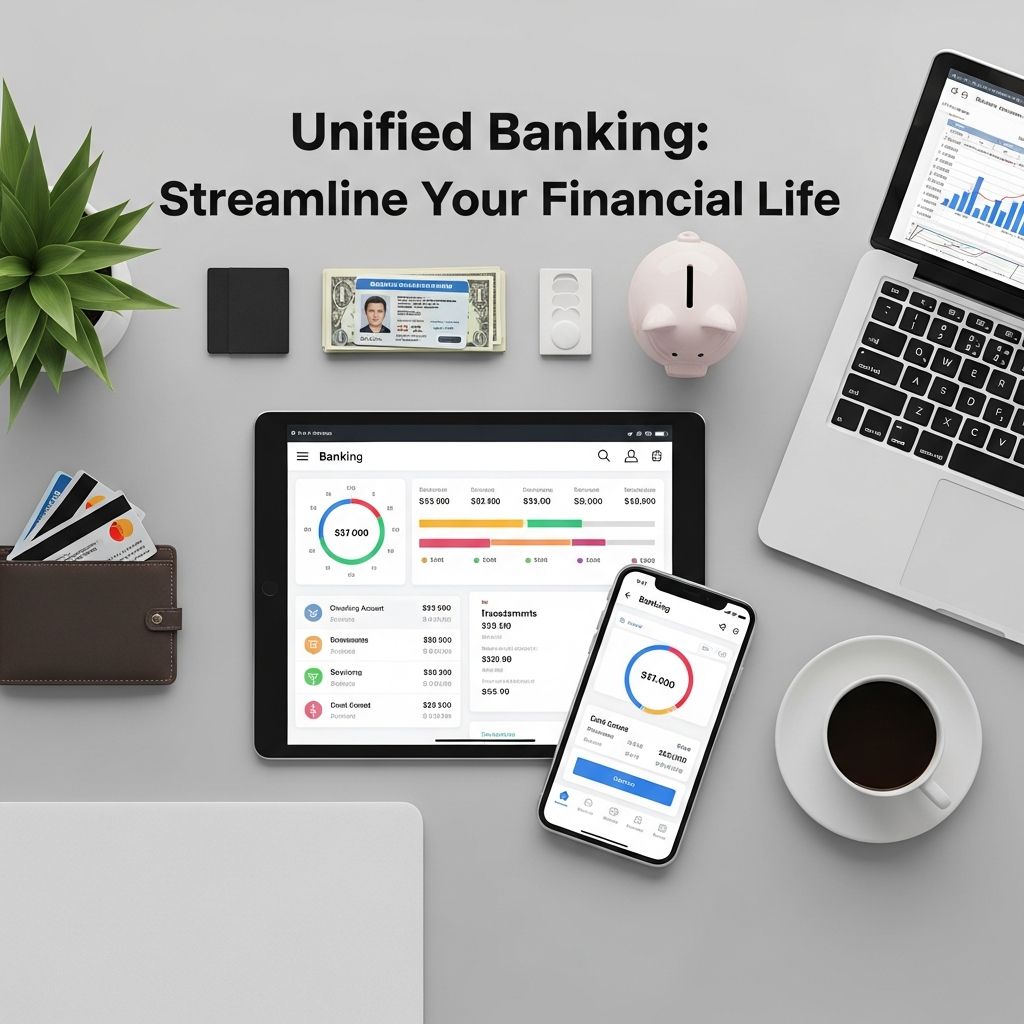
Managing multiple financial accounts across different banks can feel overwhelming. Your checking account lives at one institution, your savings at another, and keeping track of everything requires juggling different apps, passwords, and login credentials. But what if there was a simpler approach? Many financial experts and banking professionals are highlighting the significant advantages of consolidating your banking relationships under one roof. This integrated approach can transform how you manage money, access your funds, and work toward your financial goals.
The Case for Centralized Account Management
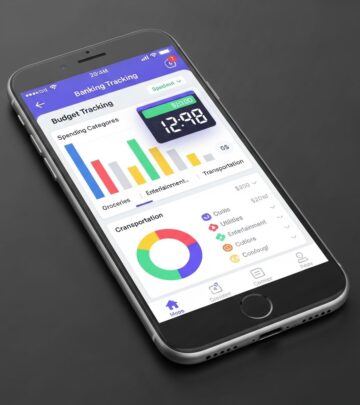
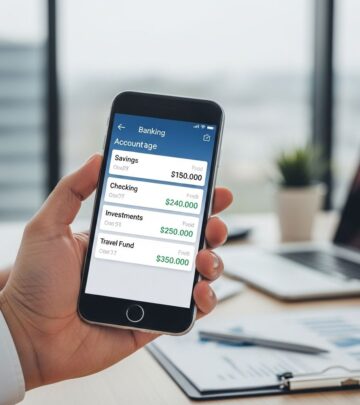
When all your banking needs are served by a single financial institution, you gain immediate access to a unified dashboard that displays your complete financial picture. Instead of logging into multiple platforms to check balances, review transactions, and monitor spending patterns, you can accomplish everything from one streamlined interface. This consolidation eliminates the friction that comes with fragmented banking and creates an ecosystem where your accounts work in harmony.
The efficiency gains extend beyond mere convenience. A single banking relationship means you’re dealing with one customer service team that understands your complete financial situation. When questions arise or issues need resolution, your bank has instant access to all your account information, enabling faster solutions and more informed guidance tailored to your specific circumstances.
Simplified Payment Processing and Fund Management
One of the most practical advantages of unified banking is the ability to manage bill payments and transfer funds with remarkable ease. When your checking and savings accounts reside at the same institution, moving money between them happens instantaneously, rather than taking the multiple business days required for transfers between different banks.
This speed becomes particularly valuable in emergency situations. If an unexpected expense arises and your checking account runs short, you can immediately transfer funds from savings without delay. Additionally, setting up automated bill payments becomes more straightforward—you can configure payments to deduct directly from your checking account while maintaining a separate savings pool that remains undisturbed by routine expenses.
Building Stronger Banking Relationships
Financial institutions value customer loyalty, and consolidating your accounts signals your commitment to a banking relationship. When you maintain multiple accounts with the same bank, you demonstrate that you’re a valued customer whose business is worth investing in. This loyalty often translates into tangible benefits that single-account customers don’t receive.
Banks frequently reward consolidated customers with preferential treatment on loan applications, allowing you to access better interest rates on mortgages, auto loans, or personal lines of credit. Some institutions waive fees for customers maintaining certain account combinations, offer enhanced overdraft protection, or provide access to premium financial products reserved for their most loyal clients. Your banking history with one institution becomes a compelling asset when you apply for credit.
Enhanced Data Security and Privacy Protection
Every time you link a new financial institution to your banking ecosystem, you’re multiplying your exposure points for potential security breaches. Limiting the number of institutions that hold your sensitive financial information reduces the risk surface considerably. When your accounts are consolidated with a single bank, you’re managing security protocols with one organization rather than several, minimizing the chances of data compromise.
Additionally, unified banking reduces the number of usernames, passwords, and security questions you must remember and manage. Fewer credentials means lower likelihood of using weak passwords across multiple platforms or falling victim to phishing attempts targeting your banking information. Your financial data remains more protected when it’s stored in fewer locations.
Streamlined Budgeting and Financial Planning
Understanding your complete financial position becomes dramatically easier when everything exists within a single banking interface. You can see your total liquid assets, track spending patterns across all your transactions, and identify trends in your financial behavior without having to manually compile data from multiple sources.
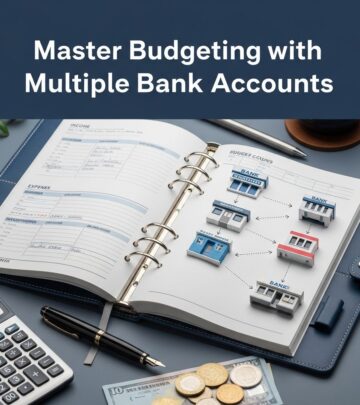
This comprehensive visibility enables more effective budgeting. You can allocate specific amounts to different financial goals, set spending limits that account for your complete financial picture, and make informed decisions about how much you can comfortably save each month. The ability to view everything together fosters better financial discipline and helps you maintain awareness of your progress toward long-term objectives.
Automated Savings Features and Goal Tracking
Many banks offer sophisticated automation tools that work seamlessly when your accounts are linked. You can establish rules that automatically transfer a percentage of each paycheck to savings, round up purchases to the nearest dollar with the difference moving to savings, or set aside funds on specific dates each month for designated goals.
These automated features remove the willpower component from saving. Instead of requiring conscious effort each month to transfer money to savings, the system handles it for you. Over time, these consistent, automated transfers accumulate into substantial savings without requiring ongoing attention or decision-making.
Overdraft Protection and Emergency Access
Overdraft fees represent a significant financial burden for many account holders, with approximately 32% of people paying at least one overdraft fee annually. When your checking and savings accounts are linked at the same institution, you can establish overdraft protection that automatically covers shortfalls.
If you accidentally overspend and your checking account would dip below zero, the bank can automatically transfer funds from your linked savings account to prevent the overdraft. This protection prevents costly fees, declined transactions, and the embarrassment of having checks returned for insufficient funds. In genuine emergencies, this linked account structure also enables immediate access to your savings without the delays typical of transfers between institutions.
Consolidated Record-Keeping and Tax Preparation
Maintaining accounts at a single bank dramatically simplifies your financial record-keeping and tax preparation. Rather than collecting statements from multiple institutions, you can download your complete annual financial history from one source. This consolidation makes it easier to calculate interest income, track deductible expenses, and document financial transactions for tax purposes.
For individuals who itemize deductions or have complex financial situations, having all banking activity in one place reduces the likelihood of missing relevant information when completing tax returns. Your bank can provide comprehensive documentation of all account activity, making substantiation easier if you’re ever audited.
Potential Considerations and Trade-offs
While unified banking offers substantial benefits, it’s important to acknowledge that some banking situations benefit from account separation. Individuals seeking the absolute highest savings rates might find that online banks specializing exclusively in savings products offer better returns than traditional banks that bundle checking and savings services. However, many modern banks have adapted their offerings to remain competitive across both account types.
Another consideration involves behavioral aspects of personal finance. Some individuals find that maintaining separate accounts creates psychological barriers that discourage excessive spending. The physical and mental separation of “checking money” from “savings money” provides discipline for people who struggle with impulse spending. For these individuals, the behavioral benefits of separate accounts might outweigh the convenience advantages of consolidation.
Choosing the Right Banking Institution
If you decide that unified banking aligns with your financial goals, selecting the right institution becomes crucial. Look for banks that offer competitive interest rates on both checking and savings accounts, maintain robust online and mobile banking platforms, provide comprehensive customer service, and offer features like overdraft protection and automated savings tools. Consider whether you prefer the personalized service of a community bank, the extensive branch network of a major national bank, or the competitive rates and digital-first approach of online banking platforms.
Frequently Asked Questions
Can I transfer money between accounts at the same bank instantly?
Yes, most banks allow instant transfers between linked accounts at the same institution, whereas transfers between different banks typically require one to three business days.
Does consolidating accounts affect my credit score?
Simply consolidating your accounts doesn’t directly impact your credit score. However, if you apply for a new credit product as part of the consolidation process, that inquiry may temporarily affect your score slightly.
Are my funds equally protected if consolidated at one bank?
Yes, the FDIC protects deposit accounts up to $250,000 per depositor per institution. Your checking and savings accounts receive separate protection, meaning you can hold up to $250,000 in each account type at the same bank.
What happens if my primary bank experiences service disruptions?
Having your accounts at one institution means you’re reliant on that bank’s systems. Choosing a well-established bank with strong technology infrastructure and backup systems minimizes this risk.
Moving Forward with Unified Banking
Consolidating your checking and savings accounts at a single financial institution offers compelling advantages for most individuals seeking to streamline their financial lives. The combination of simplified management, enhanced security, automated savings features, and stronger banking relationships creates a powerful case for this approach. By selecting the right bank that aligns with your needs and priorities, you can transform your banking experience from fragmented and complicated into organized and efficient.
References
- Overdraft Fees and Consumer Behavior — Centier Bank. 2025. https://www.centier.com/resources/articles/article-details/6-benefits-of-linking-your-checking-and-savings-accounts
- Do You Need to Have Checking and Savings at the Same Bank? — CBS News. 2025. https://www.cbsnews.com/news/do-you-need-to-have-checking-and-savings-at-same-bank/
- Why Keeping Your Checking and Loan Accounts at the Same Bank Makes Sense — Better Banks. 2025. https://www.betterbanks.com/personal/resources/blog/blog/2025/01/08/why-keeping-your-checking-and-loan-accounts-at-the-same-bank-makes-sense
- Benefits of Having Both Checking and Savings Accounts — UMB Bank. 2024. https://blog.umb.com/personal-banking-benefits-checking-savings-accounts/
- Why You Need Both Checking and Savings Accounts — Commerce Bank. 2024. https://www.commercebank.com/personal/ideas-and-tips/2024/why-you-need-both-checking-and-savings-accounts
Similar Articles








Read full bio of Sneha Tete