Unemployment Rate by Year: Historical Data and Trends
Track U.S. unemployment rates from 2000 to 2025 with detailed historical analysis and economic insights.
Understanding Unemployment Rates by Year
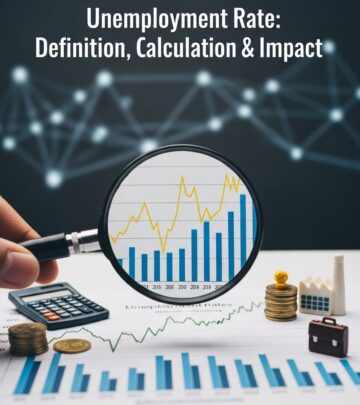
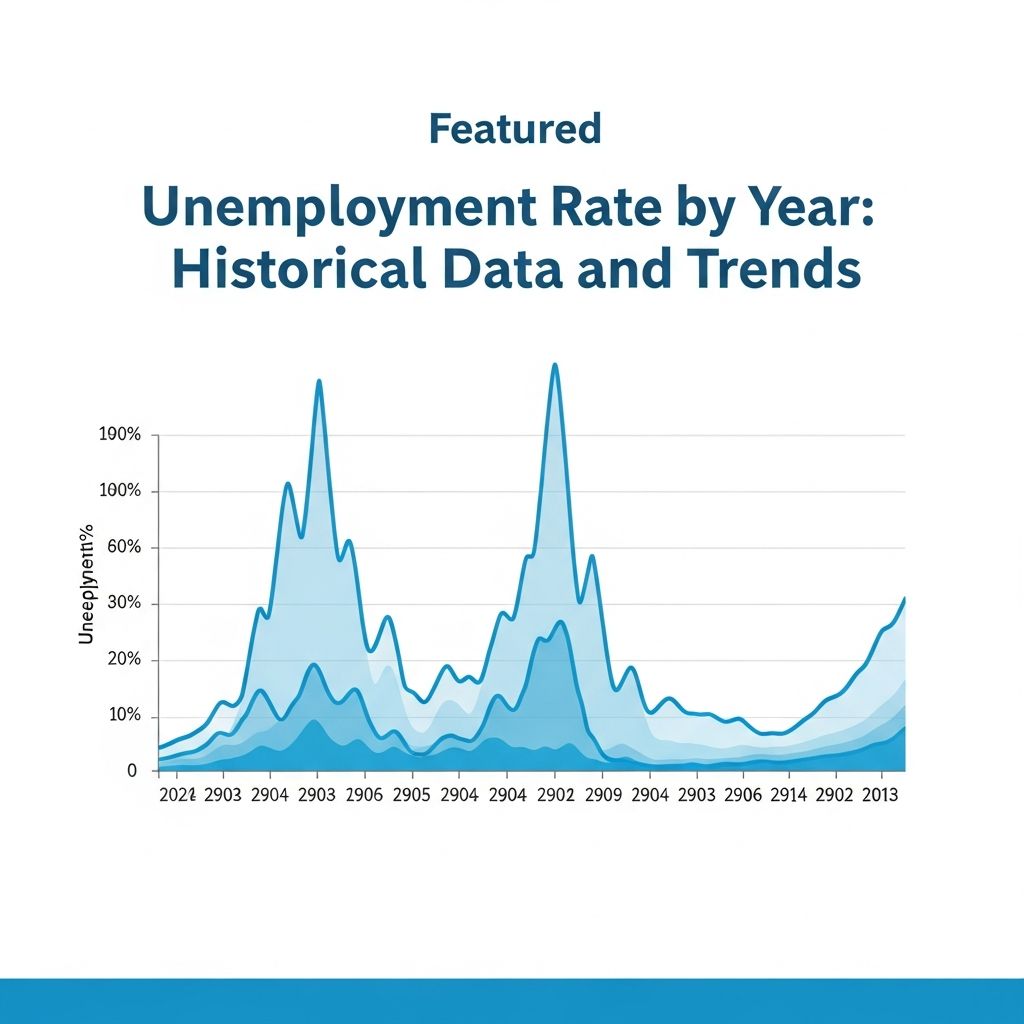
The unemployment rate represents the percentage of the total labor force that is jobless and actively seeking employment. Tracking unemployment rates by year provides critical insights into the health of the economy, labor market conditions, and the effectiveness of economic policies. The historical unemployment data from 2000 to 2025 reveals significant fluctuations driven by major economic events, recessions, and policy responses.
The Bureau of Labor Statistics (BLS), the principal fact-finding agency for the U.S. Federal Government in labor economics and statistics, publishes monthly and annual unemployment data that serves as a fundamental economic indicator. Understanding these trends helps economists, policymakers, and workers make informed decisions about economic conditions and employment prospects.
Unemployment Rate Trends from 2000 to 2010
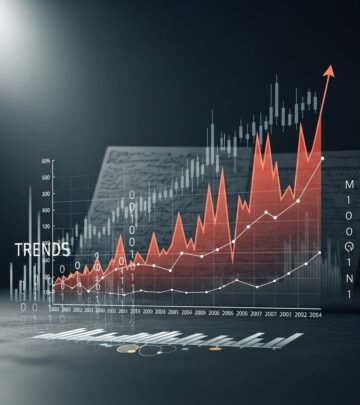
The early 2000s began with relatively modest unemployment levels. In 2000, the unemployment rate averaged around 4.0 percent, reflecting a strong labor market during the dot-com era. However, the economy faced challenges as the technology bubble burst, leading to the 2001 recession, which pushed unemployment rates higher during 2002 and 2003.
The mid-2000s saw a gradual improvement in labor market conditions. Unemployment rates declined from 2003 through 2007, reaching approximately 4.6 percent in 2007 as the housing market boom and general economic expansion created job opportunities across multiple sectors.
This period of relative stability came to an abrupt end with the 2008 financial crisis. The collapse of major financial institutions, the housing market crash, and the resulting credit freeze triggered the Great Recession, which had devastating effects on employment. The unemployment rate surged dramatically from 2008 through 2010, with 2010 marking a peak in joblessness as the economy struggled with the aftermath of the crisis.
The Recovery Period: 2010 to 2019
After reaching its peak in 2010 following the Great Recession, unemployment began a steady decline over the next nine years. This extended recovery period demonstrated the resilience of the American labor market despite the severity of the 2008 financial crisis. The BLS data shows consistent year-over-year improvements in employment conditions during this era.
From 2010 to 2019, unemployment decreased dramatically, with rates falling from double-digit percentages to historically low levels. By 2019, the unemployment rate had declined to approximately 3.5 to 3.7 percent, representing some of the lowest levels in decades. This improvement reflected strong economic growth, business investment, job creation initiatives, and consumer confidence recovery.
The extended period of low unemployment created favorable conditions for workers, with increased wage growth, more job opportunities, and improved labor market dynamics. Employers faced tighter labor markets and increased competition for talent, which benefited workers through higher compensation and better working conditions. This era demonstrated how consistent economic growth and policy stability can foster sustained employment gains over an extended period.
The COVID-19 Pandemic Impact: 2020 to 2021
The COVID-19 pandemic brought unprecedented disruption to the labor market in 2020. Government-mandated lockdowns, business closures, and sudden economic contraction caused unemployment to spike dramatically. The unemployment rate reached 8.1 percent in 2020, marking the sharpest increase in unemployment since the Great Recession, though not quite reaching those historical peaks.
However, the labor market recovery proved faster than many economists initially predicted. As vaccination efforts accelerated and businesses reopened, the economy began a strong rebound. By 2021, unemployment had fallen to 5.3 percent, demonstrating the remarkable adaptability of both businesses and workers during the crisis. This relatively quick recovery reflected unprecedented fiscal and monetary policy support, the shift to remote work capabilities, and pent-up consumer demand.
The 2020-2021 period also revealed significant changes in labor market dynamics, including the “Great Resignation” phenomenon, where workers reassessed their career priorities and sought better opportunities. Many employers faced unprecedented challenges in filling positions, and wage growth accelerated as competition for talent intensified.
Post-Pandemic Labor Market: 2022 to 2025
As the economy continued recovering from the pandemic, unemployment rates fell further in 2022, reaching some of the lowest levels in recent decades. The strong job market reflected continued economic growth, robust consumer spending, and persistent labor shortages in many sectors.
Throughout 2025, the unemployment rate has remained relatively stable, with monthly figures showing slight fluctuations. According to the most recent data, the unemployment rate reached 4.3 percent in August 2025, the highest level in nearly four years, though still historically low. By September 2025, the rate increased slightly to 4.4 percent, reflecting gradual changes in labor market conditions.
The current period represents a normalization of labor market dynamics after the extraordinary conditions of the pandemic years. While unemployment remains low by historical standards, the gradual uptick from mid-2024 through 2025 suggests that the extremely tight labor markets of the immediate post-pandemic period have eased somewhat, though overall conditions remain relatively healthy.
Understanding Different Unemployment Measures
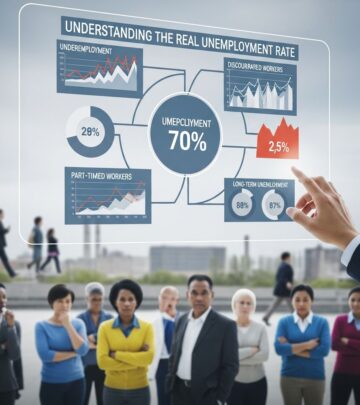
When discussing unemployment rates, it is important to understand that multiple measures exist beyond the commonly cited U-3 rate. The U-6 unemployment rate, often called the “underemployment rate,” includes not only those actively seeking work but also discouraged workers and those working part-time for economic reasons.
The gap between U-3 and U-6 rates provides important context about overall labor market health. In August 2025, this gap stood at 3.8 percentage points, which remains relatively modest by historical standards. Historically, this gap has ranged from 2.9 to 8.1 percentage points, often widening significantly during periods of recession. The current moderate gap suggests that while some underemployment exists, overall labor market conditions remain reasonably healthy compared to crisis periods.
Regional Variations in Unemployment
While national unemployment figures provide a broad overview, significant variations exist across different geographic regions. In July 2025, unemployment rates across 387 metropolitan areas varied widely, ranging from a low of 1.8 percent to a high of 18.9 percent. These regional differences reflect variations in local economic conditions, industry composition, and population demographics.
Understanding regional unemployment patterns is crucial for policymakers and businesses planning local economic development initiatives. Some areas benefit from concentration of growing industries, while others face challenges from industrial decline or dependence on sectors experiencing headwinds. Metropolitan areas with diverse economic bases typically show more stability in unemployment rates compared to single-industry communities.
Industry-Specific Unemployment Trends
Unemployment rates vary significantly across different industries and sectors. During 2023, for example, workers in agricultural and related industries suffered the highest unemployment rate of any industry at seven percent in December. Other industries show lower unemployment as they experience stronger demand for workers.
Recent employment trends show continued growth in healthcare, food services and drinking places, and social assistance sectors, reflecting demographic trends and changing consumer preferences. Conversely, some sectors like transportation and warehousing have experienced job losses, reflecting shifts in supply chain patterns and logistics employment.
Understanding industry-specific unemployment helps workers make informed decisions about career development and identifies sectors with strong job growth prospects. Workers in growing industries typically enjoy more job opportunities and potentially better compensation, while those in declining sectors may face more competition and pressure on wages.
Key Factors Influencing Unemployment Rates
Multiple factors influence annual unemployment rates. Economic recessions, characterized by declining gross domestic product and reduced business activity, typically lead to rising unemployment as companies reduce their workforce. Conversely, periods of economic expansion generally correlate with falling unemployment as business confidence increases and companies expand hiring.
Monetary policy, controlled by the Federal Reserve, influences unemployment through interest rate adjustments that affect credit availability and business investment. Fiscal policy, implemented through government spending and taxation, also affects employment levels. Technology and automation can reduce demand for certain types of workers while creating new opportunities in other sectors. Global trade dynamics, oil prices, and international economic conditions further influence U.S. labor market outcomes.
Seasonal Adjustments in Unemployment Data
When analyzing unemployment statistics, it is important to understand seasonal adjustments. Many industries experience predictable seasonal patterns, with higher hiring during certain times of year and layoffs during slower seasons. Retail, for example, experiences significant seasonal hiring for holiday periods, while construction shows seasonal variations based on weather patterns.
The BLS applies seasonal adjustment methods to remove these predictable patterns, allowing for clearer identification of underlying employment trends. Seasonally adjusted unemployment rates provide a more accurate picture of changes in labor market conditions independent of predictable seasonal fluctuations. This methodology ensures that month-to-month comparisons reflect actual changes in employment rather than seasonal factors.
Frequently Asked Questions About Unemployment Rates
Q: What does the unemployment rate measure?
A: The unemployment rate measures the percentage of the labor force that is unemployed and actively seeking employment. It excludes discouraged workers who have stopped looking for jobs and those not in the labor force.
Q: How is the unemployment rate calculated?
A: The BLS calculates the unemployment rate by dividing the number of unemployed individuals by the total labor force, then multiplying by 100. Data comes from the Current Population Survey, a monthly survey of about 60,000 households.
Q: Why is there a difference between U-3 and U-6 unemployment rates?
A: The U-3 rate includes only those actively seeking work, while the U-6 rate (underemployment rate) also includes part-time workers seeking full-time employment and discouraged workers. The U-6 provides a broader picture of labor market slack.
Q: What was the highest unemployment rate in recent history?
A: The highest unemployment rate in recent history occurred in 2010 following the Great Recession, when unemployment peaked at around 9.6 percent. The COVID-19 pandemic caused unemployment to reach 8.1 percent in 2020.
Q: How does unemployment compare regionally?
A: Unemployment varies significantly across regions. As of July 2025, metropolitan areas ranged from 1.8 percent unemployment to 18.9 percent, reflecting differences in local economic conditions and industry composition.
Q: What is the current unemployment rate outlook?
A: As of September 2025, the unemployment rate stands at 4.4 percent. While this represents the highest level in nearly four years, it remains historically low. Gradual increases over the past year suggest normalization from the extremely tight labor markets of the immediate post-pandemic period.
Historical Unemployment Rate Summary Table
| Year | Unemployment Rate | Economic Context |
|---|---|---|
| 2000 | ~4.0% | Dot-com era peak |
| 2008-2009 | Rising to 9.3%+ | Great Recession |
| 2010 | Peak post-crisis | Recovery beginning |
| 2015 | ~5.3% | Steady recovery |
| 2019 | ~3.5-3.7% | Pre-pandemic low |
| 2020 | 8.1% | COVID-19 pandemic |
| 2021 | 5.3% | Recovery acceleration |
| 2025 (through September) | 4.0-4.4% | Gradual normalization |
Conclusion: Understanding Unemployment Trends for Economic Planning
The historical record of unemployment rates from 2000 to 2025 demonstrates the cyclical nature of the economy and the significant impact of major economic events on employment. From the 2001 recession through the 2008 financial crisis, the 2020 pandemic shock, and the subsequent recovery periods, unemployment data reveals how the labor market responds to different economic conditions.
Currently, with unemployment at 4.4 percent as of September 2025, the labor market maintains relatively healthy conditions despite some gradual increases from the extraordinarily tight markets of recent years. The stabilization of unemployment at historically modest levels reflects ongoing economic resilience, though the upward trend bears monitoring for potential signs of economic stress.
For workers, employers, and policymakers, understanding unemployment trends provides essential context for making informed decisions. Job seekers benefit from recognizing that current labor market conditions, while showing signs of normalization, remain favorable by historical standards. Employers can better plan hiring and compensation strategies by understanding broader labor market trends, and policymakers can evaluate the effectiveness of economic policies through employment outcomes.
References
- Civilian Unemployment Rate — U.S. Bureau of Labor Statistics. 2025-11-20. https://www.bls.gov/charts/employment-situation/civilian-unemployment-rate.htm
- Unemployment Rate (UNRATE) — Federal Reserve Economic Data (FRED), St. Louis Federal Reserve. 2025-11-20. https://fred.stlouisfed.org/series/UNRATE
- The Employment Situation — September 2025 — U.S. Bureau of Labor Statistics. 2025-10-03. https://www.bls.gov/news.release/pdf/empsit.pdf
- Monthly Unemployment Rate U.S. 2025 — Statista. 2025. https://www.statista.com/statistics/273909/seasonally-adjusted-monthly-unemployment-rate-in-the-us/
- Beyond the Official Unemployment Rate: A Deep Dive into U.S. Unemployment — Eye on Housing. 2025-09. https://eyeonhousing.org/2025/09/beyond-the-official-unemployment-rate-a-deep-dive-into-u-s-unemployment/
Similar Articles








Read full bio of medha deb