Understanding Your Credit Score
Discover what your credit score means, how it's calculated, and practical steps to improve it for better financial opportunities.
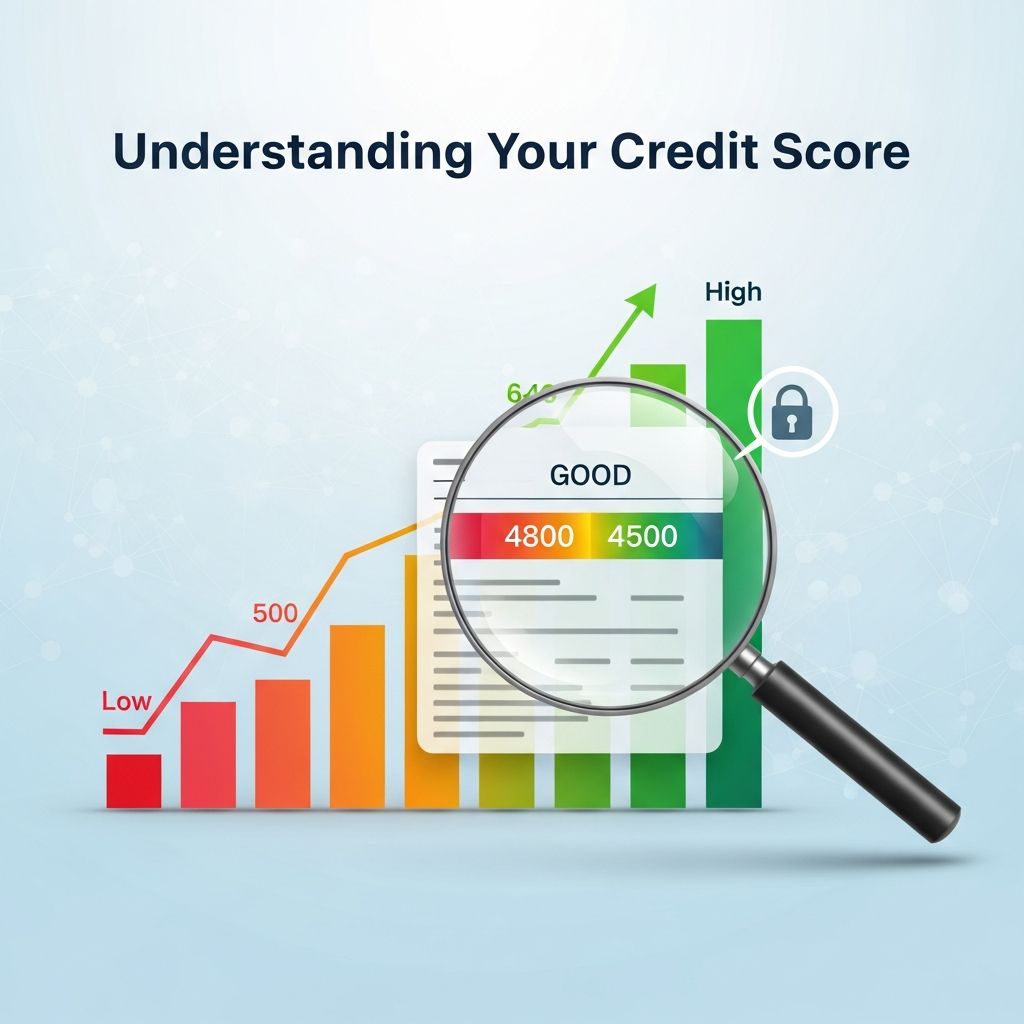
A credit score is a three-digit number ranging from 300 to 850 that summarizes your creditworthiness based on your financial history, helping lenders assess the risk of lending to you.
The Role of Credit Scores in Everyday Finance
Credit scores play a pivotal role in various financial decisions beyond just loans. Lenders use them to evaluate applicants for mortgages, auto loans, and credit cards, often determining approval, interest rates, and credit limits. For instance, higher scores typically lead to lower interest rates, saving borrowers significant amounts over time. Landlords check scores for rental applications, and insurers may factor them into premium calculations.
Understanding your score empowers you to make informed choices. It reflects patterns in your credit behavior, such as timely payments and debt management, serving as a financial health indicator.
Common Credit Score Ranges and Their Meanings
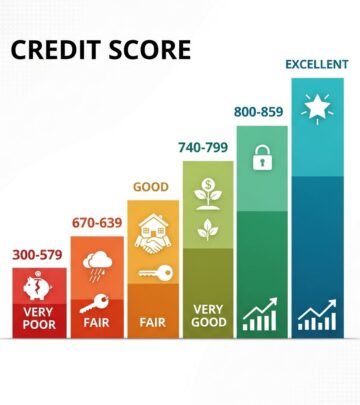
Most scores fall within the 300-850 range, with categories indicating risk levels to lenders. Here’s a breakdown based on widely used models:
| Score Range | FICO Rating | VantageScore Rating | Implications |
|---|---|---|---|
| 800-850 | Exceptional | Excellent | Best rates and terms; low risk. |
| 740-799 | Very Good | Good | Strong approval odds; favorable rates. |
| 670-739 | Good | Fair/Good | Above average; good options available. |
| 580-669 | Fair | Poor/Fair | May qualify but with higher rates. |
| 300-579 | Poor | Very Poor | High risk; limited approvals. |
The average U.S. FICO Score in recent years hovers around 715, with about a third of consumers scoring between 600-750. Scores above 740 are viewed as very good, opening doors to premium financial products.
Primary Types of Credit Scores
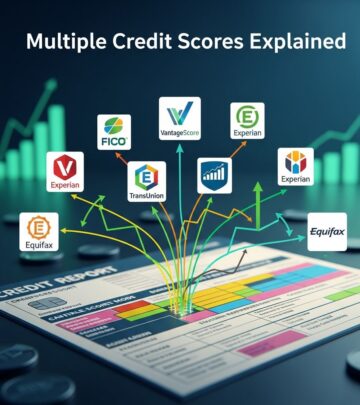
Several scoring models exist, each with nuances. FICO Scores, used by 90% of top lenders, dominate lending decisions. Key variants include:
- Base FICO Scores (8, 9, 10, 10T): General-purpose, predicting payment delays over 24 months. FICO Score 10T uniquely tracks trends like balance changes.
- Industry-Specific FICO Scores: Tailored for sectors like auto (250-900 range) or bankcards, focusing on relevant risks.
- VantageScore: Developed by the three major bureaus (Experian, Equifax, TransUnion), it offers similar ranges but slight category differences.
These models draw from credit reports provided by Equifax, Experian, and TransUnion, though not all lenders use every type.
Key Factors That Shape Your Credit Score
Scores are derived from credit report data, weighted across five main categories. Here’s how they contribute, primarily per FICO methodology:
| Factor | Weight | Description |
|---|---|---|
| Payment History | 35% | Tracks on-time payments, delinquencies, bankruptcies, and collections. |
| Amounts Owed | 30% | Includes credit utilization (used vs. available credit) and total debt. |
| Length of Credit History | 15% | Average age of accounts and age of oldest account. |
| Credit Mix | 10% | Variety of accounts like revolving credit and installment loans. |
| New Credit | 10% | Recent inquiries and new accounts opened. |
Deep Dive: Payment History
The largest factor, payment history reveals reliability. Late payments, especially 90+ days, severely impact scores and linger for up to seven years. Positive history builds trust with lenders.
Deep Dive: Credit Utilization
This measures revolving debt against limits, ideally under 30%. High utilization signals risk, even if payments are current. Paying down balances before statement dates can help.
Other Influences
Longer histories demonstrate stability, while diverse credit types show management skills. Multiple hard inquiries from new applications can temporarily lower scores.
How Often Do Credit Scores Update?
Scores recalculate when your credit report changes, such as new accounts, payments, or inquiries. Monitoring via free services from bureaus or banks provides regular snapshots. Changes may not be instant across all models or bureaus.
Steps to Check and Monitor Your Credit Score
Access scores for free weekly from AnnualCreditReport.com (reports) and bureau sites. Services like myFICO or Experian offer ongoing monitoring. Review for errors and dispute inaccuracies promptly.
- Sign up for alerts on changes.
- Check before major applications.
- Use educational tools from CFPB.
Proven Strategies to Improve Your Credit Score
Building a strong score requires consistent habits. Prioritize these actions:
- Pay bills on time: Set autopay or reminders; even one late payment hurts.
- Reduce utilization: Keep balances low; request limit increases if responsible.
- Limit new credit: Avoid unnecessary applications to prevent inquiry dings.
- Retain old accounts: Longevity boosts history length.
- Address negatives: Negotiate collections or wait out time limits.
Improvement can take months, but steady efforts yield results. For example, dropping utilization below 10% often provides quick lifts.
Common Misconceptions About Credit Scores
- Myth: Rent or utilities affect scores. Not typically reported unless through services like Experian Boost.
- Myth: Closing cards helps. It can raise utilization; keep them open.
- Myth: Scores are uniform. Vary by model and bureau.
Impact of Credit Scores on Life Milestones
Beyond lending, scores influence employment background checks, apartment approvals, and utility deposits. Excellent scores (800+) unlock top-tier rewards cards and prime rates.
Frequently Asked Questions (FAQs)
What is a good credit score?
Scores of 670-739 are good, 740+ very good, and 800+ excellent on the 300-850 scale.
How long do negative marks stay?
Most stay 7 years; bankruptcies up to 10.
Can I improve my score quickly?
Yes, by paying down debt and disputing errors, though major boosts take time.
Do all lenders use FICO?
90% do, but some use VantageScore or others.
Is checking my score a hard inquiry?
No, soft pulls don’t affect scores.
References
- What is a Credit Score? – myFICO — myFICO. Accessed 2026. https://www.myfico.com/credit-education/credit-scores
- What Is a Credit Score & Why Is It Important? – Equifax — Equifax. Accessed 2026. https://www.equifax.com/personal/education/credit/score/articles/-/learn/what-is-a-credit-score/
- Credit Score Basics: Everything You Need to Know – Experian — Experian. Accessed 2026. https://www.experian.com/blogs/ask-experian/credit-education/score-basics/understanding-credit-scores/
- What is a Credit Score and Why Does It Matter? | University of Phoenix — University of Phoenix. Accessed 2026. https://www.phoenix.edu/blog/what-is-a-credit-score.html
- What is a Credit Score? | U.S. Bank — U.S. Bank. Accessed 2026. https://www.usbank.com/credit-cards/credit-card-insider/building-credit/what-is-credit-score.html
- What Is a Good Credit Score? – Experian — Experian. Accessed 2026. https://www.experian.com/blogs/ask-experian/credit-education/score-basics/what-is-a-good-credit-score/
- What is a credit score? | Consumer Financial Protection Bureau — CFPB. Accessed 2026. https://www.consumerfinance.gov/ask-cfpb/what-is-a-credit-score-en-315/
Similar Articles








Read full bio of medha deb