Vehicle Title Brands: 7 Types Every Buyer Should Know
Learn what branded titles mean and how they impact your used car purchase
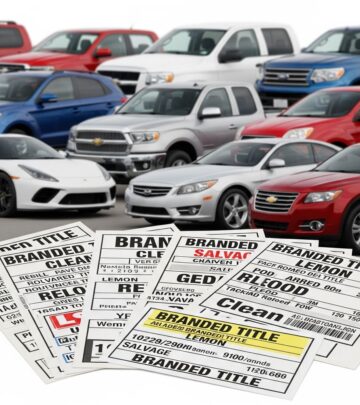
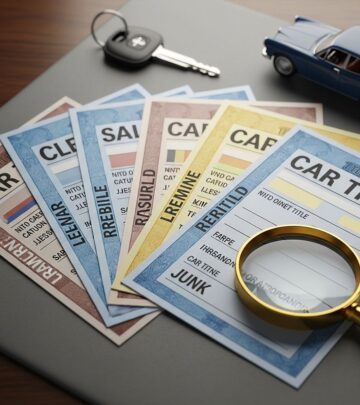
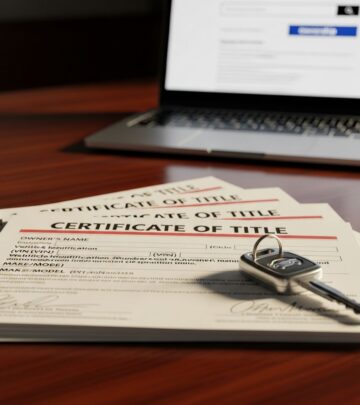
When shopping for a used vehicle, the title document represents far more than proof of ownership. It serves as an official record of the car’s history and condition, particularly any significant incidents that have affected its safety, performance, or market value. One critical element found on some titles is a brand—a designation that indicates the vehicle has experienced a notable problem or damage event in its past.
For buyers working within a budget, spotting a branded title might seem like an opportunity to negotiate a lower price. However, this decision deserves careful consideration, as the implications extend well beyond the initial purchase price. Understanding what various brands mean, how they originate, and what consequences they carry will help you make an informed decision that aligns with your needs and circumstances.
What Exactly Is a Title Brand?
A title brand is an official designation applied to a vehicle’s registration document by state motor vehicle departments. This marking communicates that the car has encountered a significant issue—whether damage, defect, or other condition—that could impact its safety, reliability, or value. Unlike the automotive brand (the manufacturer like Ford or Honda), a title brand refers specifically to the vehicle’s history and condition status.
Once a brand is applied to a title, it becomes permanent. The designation remains attached to the vehicle’s identification number and follows the car throughout its lifetime, regardless of ownership changes or relocation to different states. This permanence exists by design—it ensures that potential buyers always have access to critical information about the vehicle’s past, promoting transparency in the used car marketplace.
The primary purpose of title brands is consumer protection. By marking vehicles that have experienced significant damage or defects, state regulatory agencies aim to prevent fraud and ensure that buyers understand potential risks before committing to a purchase. This system allows buyers to weigh the financial savings of a cheaper vehicle against the risks associated with its history.
The Most Common Types of Title Brands
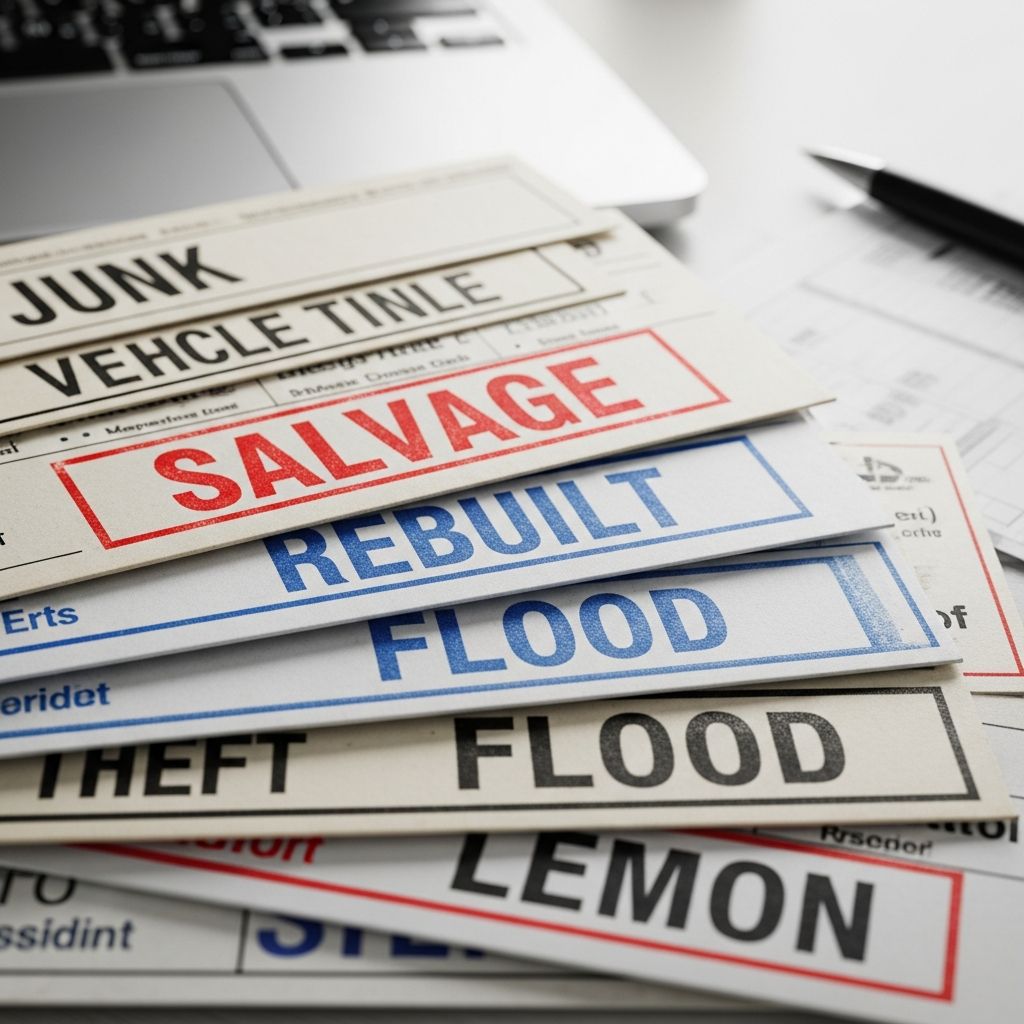
While the specific brands available vary by state, several designations appear consistently across the country. Each brand tells a different story about what has happened to the vehicle and carries distinct implications for ownership.
Salvage Title
A salvage title indicates that an insurance company has declared the vehicle a total loss. This typically occurs when repair costs exceed a percentage of the vehicle’s actual cash value—often around 70 to 80 percent, though thresholds vary by state. When this happens, the insurer compensates the owner and takes possession of the vehicle to recover some of its loss.
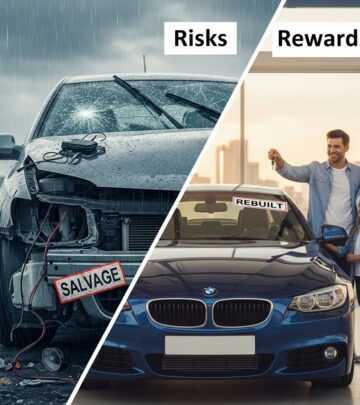
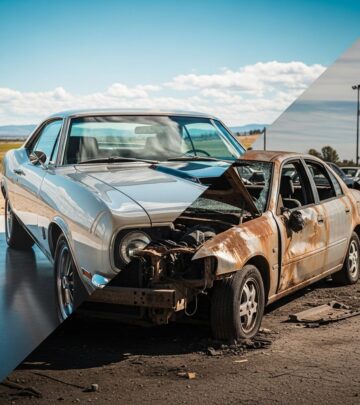
Vehicles with salvage titles have often experienced severe damage from accidents, flooding, or other catastrophic events. Before a salvage-titled vehicle can be driven again, it must typically undergo extensive repairs and pass a state inspection to verify it’s roadworthy. Even after these repairs, salvage titles represent some of the most significant damage events in a vehicle’s history.
Reconstructed or Rebuilt Title
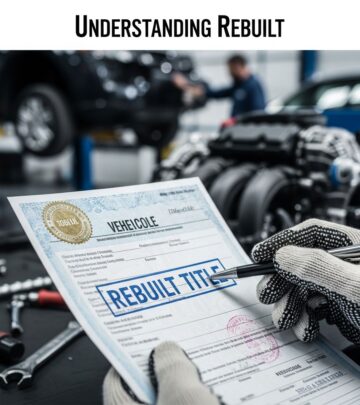
A reconstructed title is applied to a vehicle that previously carried a salvage brand but has been repaired and inspected to meet state safety standards. This represents an intermediate status—the car has suffered major damage but has been deemed safe to operate again. The reconstructed designation serves as a flag that the vehicle experienced significant damage in the past, even though it has been restored to operational condition.
Lemon Title
A lemon title appears on vehicles that repeatedly fail to meet quality or performance standards, typically due to manufacturing defects that persist despite multiple repair attempts. Different states have different criteria for what qualifies as a lemon, but generally the vehicle must have been in the shop multiple times for the same issue without successful resolution. Lemon laws exist in most states to protect consumers from defective vehicles.
Flood or Water Damage
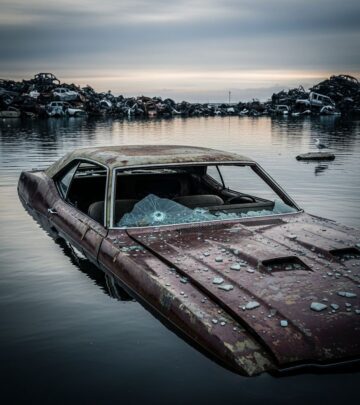
This brand indicates the vehicle has been submerged in water or exposed to flooding. Water damage can lead to electrical problems, rust, mold growth, and corrosion that may not be immediately apparent. Even after drying and cleaning, flood-damaged vehicles often experience problems that emerge months or years later.
Theft Recovery
Applied when a stolen vehicle is recovered, a theft recovery brand indicates that the car has been located after being reported stolen. While the vehicle itself may be undamaged, the brand alerts buyers to this unusual history. Some theft recovery vehicles may only require minor repairs like key replacement.
Hail Damage
This brand marks vehicles that have sustained damage from severe hail storms. Hail damage is often cosmetic, involving dents and paint damage on the exterior. While generally considered less severe than other brands, hail-damaged vehicles still carry the permanent designation and may have resale challenges.
Clear or Clean Title
A clear or clean title indicates the vehicle has no brands and no reported major incidents in its history. This represents the most desirable title status and typically correlates with higher market value and easier resale or financing prospects.
How Vehicles Acquire Branded Titles
Understanding the process by which a vehicle receives a brand helps clarify why certain designations are applied. The journey typically begins with an incident—an accident, natural disaster, theft, or mechanical failure.
When a significant incident occurs, the vehicle owner typically files an insurance claim. An insurance adjuster then inspects the vehicle and calculates repair costs. If the adjuster determines that repairs would cost more than approximately 70 to 80 percent of the vehicle’s market value (thresholds vary by state), the insurer declares it a total loss and issues payment to the owner.
Once the insurer has compensated the owner, the company typically takes possession of the vehicle. The insurer then notifies the state’s Department of Motor Vehicles about the total loss declaration. The DMV responds by applying a salvage brand to the vehicle’s title. If the vehicle is subsequently repaired and passes inspection, the title may be updated to reflect reconstructed status.
For other types of brands, the process varies. Lemon titles result from repeated manufacturer defects and typically involve documentation from repair shops and the manufacturer. Theft recovery brands are applied when law enforcement locates a stolen vehicle. Flood brands are applied based on insurance claims or DMV records indicating water damage.
The Financial Implications of Branded Titles
One of the most significant impacts of a branded title involves the vehicle’s market value. Vehicles with brands typically sell for substantially less than comparable vehicles with clean titles. Research suggests that vehicles with salvage or rebuilt titles can lose up to three-quarters of their resale value compared to clean-titled counterparts.
This depreciation creates a double-edged situation for buyers. On one hand, a branded title vehicle may represent genuine financial savings if you’re purchasing on a budget and the vehicle is mechanically sound. On the other hand, when you eventually decide to sell the vehicle, that same brand will depress its resale value, potentially resulting in significant financial loss.
Consider a practical example: a vehicle worth $15,000 with a clean title might carry a branded title status worth only $4,000 to $5,000. If you purchase that vehicle for $5,000 expecting to eventually resell it, you should anticipate receiving even less when you try to sell it, as depreciation continues regardless of brand status.
Insurance Challenges with Branded Vehicles
Insurance represents another critical area where branded titles create complications. Insurance companies view branded vehicles as higher risk, and this perception translates directly to your wallet through elevated premiums.
Many insurers will charge significantly higher rates for branded vehicles compared to clean-titled equivalents. Some insurance companies limit coverage options for branded vehicles or may decline to insure them altogether. This means that while you saved money purchasing the vehicle initially, you may face ongoing higher insurance costs throughout your ownership.
Before purchasing any branded vehicle, contact insurance companies to obtain quotes. The difference in insurance premiums could substantially offset any initial savings from buying at a lower price. Some buyers discover too late that insurance costs make branded vehicle ownership financially impractical.
Financing Challenges
Lenders view branded vehicles differently than clean-titled ones, and this affects your ability to secure financing. Banks and credit unions typically offer less favorable terms for branded vehicles or may decline to finance them entirely. Interest rates may be higher, down payment requirements may be stricter, and loan terms may be shorter.
If you’re considering purchasing a branded vehicle with financing, contact lenders in advance to determine whether they’ll finance your specific vehicle and what terms they’ll offer. Limited financing options may eliminate any purchase advantage the lower price initially provided.
Resale Value and Market Challenges
When you eventually decide to sell a branded vehicle, you’ll encounter buyer reluctance and reduced demand. Prospective buyers will immediately spot the brand and may assume the worst about the vehicle’s condition, regardless of actual reality. This perception challenge exists even if the vehicle has been perfectly repaired and functions flawlessly.
The combination of lower market value and higher buyer hesitation means that selling branded vehicles typically takes longer and requires aggressive pricing. Some buyers find it extremely difficult to sell branded vehicles privately and resort to trade-ins, where dealers offer even less than market value because they know the vehicles are harder to sell.
Hidden Issues and Reliability Concerns
Beyond the obvious financial and insurance implications, branded vehicles carry the risk of hidden or recurring problems. A vehicle that sustained major damage may have underlying mechanical issues that don’t immediately manifest. Water damage, for instance, can lead to electrical problems and corrosion that appear months or years after purchase.
Even vehicles that have been professionally repaired and pass state inspections may experience problems after ownership begins. This is particularly true for vehicles with water damage, major accident damage, or manufacturing defects. Without a comprehensive pre-purchase inspection by a trusted mechanic, you won’t know whether hidden issues exist.
Should You Purchase a Branded Title Vehicle?
| Factor | Advantages | Disadvantages |
|---|---|---|
| Purchase Price | Significantly lower initial cost | Limited advantage given other costs |
| Insurance | Not applicable | Higher premiums, limited coverage |
| Financing | Not applicable | Fewer lender options, higher rates |
| Resale Value | Not applicable | Permanently reduced market value |
| Reliability Risk | Not applicable | Hidden issues may emerge later |
The decision to purchase a branded title vehicle ultimately depends on your specific circumstances, risk tolerance, and financial situation. Most automotive experts recommend avoiding branded vehicles unless you have specific reasons that justify the risks.
Branded vehicles might make sense in limited scenarios. If you’re purchasing a vehicle purely for short-term use and plan to keep it only a few years, the lower purchase price might outweigh the insurance and financing challenges. If you’re exceptionally mechanically skilled and can personally inspect and repair the vehicle, you might mitigate hidden issue risks. If you have cash available and don’t require financing, you eliminate one major obstacle.
However, for most buyers, the cumulative effects of higher insurance costs, financing challenges, limited resale value, and potential hidden issues outweigh the initial purchase price savings. A clean-titled vehicle, while costing more upfront, typically provides better long-term financial value and peace of mind.
Steps to Take Before Purchasing a Branded Vehicle
If you decide to pursue a branded vehicle purchase despite the risks, several protective measures can help you make a more informed decision:
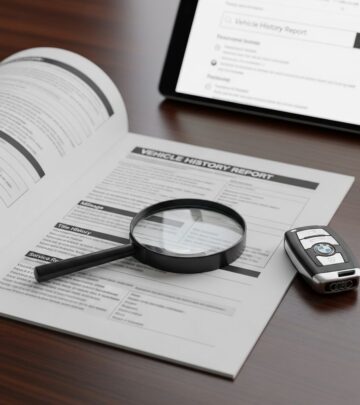
- Obtain the complete vehicle history report from multiple sources to understand exactly what happened to the vehicle and what repairs were performed
- Hire an independent mechanic to perform a comprehensive pre-purchase inspection, particularly examining areas related to the vehicle’s specific brand (water systems for flood damage, suspension for accident damage, etc.)
- Contact insurance companies to obtain quotes for insuring the specific vehicle before purchase
- Research lender requirements to understand what financing terms, if any, are available
- Investigate state-specific regulations about branded vehicles, as requirements and implications vary significantly by jurisdiction
- Request documentation of all repairs performed, including inspection records showing the vehicle passed state safety requirements
- Verify current market value to ensure the asking price reflects the vehicle’s actual worth given its branded status
Frequently Asked Questions
Is a branded title the same as a salvage title?
No. Salvage title is one specific type of branded title. Branded title is the broader category that includes salvage, reconstructed, lemon, flood, theft recovery, hail damage, and other designations. A salvage title specifically indicates an insurance company declared the vehicle a total loss.
Can a branded title ever be removed from a vehicle?
No. Once a brand is applied to a title, it remains permanently attached to the vehicle. The brand cannot be removed even if the vehicle is extensively repaired, moved to a different state, or changes ownership multiple times. This permanence is intentional, designed to ensure that potential buyers always have access to the vehicle’s history.
What’s the difference between a salvage title and a reconstructed title?
A salvage title indicates the vehicle was declared a total loss by an insurance company and has not yet been repaired or inspected. A reconstructed title indicates the vehicle originally had a salvage title but has subsequently been repaired and passed state inspection to verify it’s safe to drive. Reconstructed vehicles are roadworthy but still carry the brand permanently.
How much will a branded title affect insurance costs?
Insurance premium increases for branded vehicles vary significantly based on the specific brand type, the vehicle’s make and model, your location, and your insurer. Some insurers charge 10-30% more for branded vehicles, while others charge substantially more. Some insurers won’t insure branded vehicles at all. Contact insurers directly for specific quotes.
Should I buy a branded vehicle if I’m paying cash?
Even paying cash doesn’t eliminate all risks associated with branded vehicles. You’ll still face higher insurance costs, permanent resale value reduction, and potential hidden issues. However, avoiding financing does eliminate one category of challenges, making branded vehicles slightly more practical for cash buyers than those requiring loans.
What inspection should I perform before buying a branded vehicle?
Hire an independent ASE-certified mechanic to perform a comprehensive inspection, with particular attention to systems related to the vehicle’s specific brand. Request a written report documenting findings. This inspection should occur before purchase and should influence your decision about whether to proceed.
Making Your Final Decision
Branded titles exist to protect consumers by ensuring transparency about vehicle history. While the lower purchase price of branded vehicles can be tempting, buyers must carefully weigh immediate savings against long-term financial and practical implications. Understanding what various brands mean, how they affect insurance and financing, and what risks they represent allows you to make an informed decision aligned with your specific circumstances and risk tolerance.
References
- Branded Car Titles: Meaning, Types, Pros, And Cons — CarBuzz. 2024. https://carbuzz.com/branded-car-titles-meaning/
- What Is a Branded Title? And Should You Buy a Vehicle With One? — Freeway. 2024. https://www.freeway.com/knowledge-center/auto/what-is-a-branded-vehicle-title/
- A Used Car with a Branded Title: Meaning and Drawbacks — Indy Auto Man. 2025. https://www.indyautoman.com/blog/branded-title-meaning
- Branded Titles: What You Should Know — CARFAX. 2024. https://www.carfax.com/buying/branded-titles
- What You Need To Know About Branded Vehicle Titles — CarPro. 2024. https://www.carpro.com/blog/what-you-need-to-know-about-branded-vehicle-titles
- What Is a Branded Title? Everything You Need to Know — Used Cars. 2024. https://www.usedcars.com/what-is-a-branded-title
Similar Articles








Read full bio of medha deb