Understanding the Main Types of Pet Insurance
Learn how accident-only, accident-and-illness, and wellness pet insurance plans work so you can choose coverage that fits your pet and budget.
Veterinary care is advancing rapidly, and that means better outcomes for pets but also higher medical bills when something goes wrong. Pet insurance can offset these costs, but policies are not all the same. Understanding the main types of pet insurance will help you match coverage to your pet’s health needs and your budget.
This guide explains the core categories of pet insurance, how they work, what they typically cover and exclude, and what to consider when comparing plans.
What Are the Main Types of Pet Insurance?
Most providers organize pet insurance into three broad coverage types:
- Accident-only plans – coverage for unexpected injuries and physical trauma, not disease.
- Accident and illness plans – comprehensive coverage for both injuries and medical conditions.
- Wellness or preventive care plans – usually add-ons that reimburse routine and preventive services.
On top of these, many insurers offer optional riders or niche policies, such as dental illness coverage, behavioral treatment coverage, or liability coverage for damage or injury your pet causes.
How Pet Insurance Typically Works
Before looking at each type, it helps to understand the basic mechanics of most pet insurance policies:
- You choose a plan type (accident-only, accident and illness, and optional wellness).
- You pay a monthly premium to keep coverage active.
- When your pet needs eligible care, you usually pay the vet bill in full, then file a claim.
- The insurer reimburses you based on your plan’s deductible, reimbursement rate, and annual or per-incident limits.
Different plan types simply define which medical events are considered eligible for reimbursement.
Accident-Only Pet Insurance
Accident-only insurance is the leanest and usually the least expensive type of pet insurance. It is designed strictly for sudden, unexpected injuries rather than disease.
What Accident-Only Plans Typically Cover
Accident-only plans typically reimburse costs related to acute physical trauma, including diagnostic tests, surgery, and hospitalization when these are required because of an accident.
- Fractures and broken bones
- Lacerations, cuts, and bite wounds
- Motor vehicle accidents
- Foreign object ingestion (e.g., toys, socks)
- Injuries from falls or blunt trauma
- Burns and eye trauma
- Emergency surgery and related hospitalization due to an accident
Because serious accidents can generate large bills quickly, accident-only coverage focuses on these high-cost, low-frequency events.
What Accident-Only Plans Usually Exclude
These policies typically do not cover illnesses or most non-accidental medical problems.
- All diseases and medical conditions (e.g., cancer, infections, diabetes, arthritis)
- Chronic or hereditary disorders
- Routine and preventive care (checkups, vaccines, parasite prevention)
- Elective or cosmetic procedures
- Breeding- or pregnancy-related care
- Pre-existing conditions – issues that appeared or were diagnosed before enrollment or during a waiting period
Exact exclusions vary by provider, so owners need to read each policy’s terms carefully.
Who Might Consider Accident-Only Coverage?
Accident-only insurance can fit specific situations:
- Owners of young, generally healthy pets who want a budget-friendly way to handle emergencies like broken bones or swallowed objects.
- Seniors or pets with existing medical conditions when the insurer offers accident-only coverage but not illness coverage at that age or health status.
- Owners with limited budgets who could absorb routine costs but need protection from large, sudden accident bills.
Accident and Illness (Comprehensive) Pet Insurance
Accident and illness plans are often considered the industry standard and offer the broadest medical coverage. These policies typically include everything an accident-only plan does, plus a wide range of diseases and conditions.
What Accident and Illness Plans Typically Cover
Comprehensive plans usually reimburse:
- Accident-related injuries – fractures, lacerations, ingestion, trauma, emergency surgery.
- Acute illnesses – infections, vomiting and diarrhea, respiratory disease, urinary tract infections, and more.
- Chronic conditions – arthritis, diabetes, allergies, certain heart or kidney diseases, and other long-term issues.
- Hereditary and congenital conditions – such as hip dysplasia, intervertebral disc disease (IVDD), certain eye disorders, or heart defects, when covered by the policy.
- Cancer – including diagnostics (imaging, bloodwork), surgery, chemotherapy, or radiation when included in the plan.
- Diagnostic testing – X-rays, ultrasound, blood and urine tests needed to diagnose covered conditions.
- Hospitalization and surgery for covered accidents and illnesses.
Some insurers also include or offer add-on coverage for:
- Behavioral issues – such as aggression, compulsive behaviors, or anxiety, when treated under veterinary guidance.
- Alternative and rehabilitative therapies – acupuncture, physical therapy, hydrotherapy, or chiropractic care for covered conditions, depending on the plan.
What Accident and Illness Plans Usually Exclude
Even broad policies have limits. Common exclusions include:
- Pre-existing conditions – symptoms or diagnoses documented before coverage began.
- Routine and preventive care – annual exams, vaccines, flea and tick prevention, and dental cleanings, unless you buy a wellness add-on.
- Cosmetic or elective procedures – such as ear cropping or tail docking, unless medically necessary.
- Breeding, pregnancy, and whelping-related care.
- Non-veterinary costs (licensing fees, registration, or grooming, except when grooming is part of a covered treatment plan).
Some policies also place specific restrictions on hereditary or congenital disorders, especially if symptoms appear before enrollment, so checking the fine print is important.
Who Might Consider Accident and Illness Coverage?
Because of its breadth, comprehensive coverage may suit many households:
- Owners of puppies and kittens who want long-term protection as the pet ages and the risk of illness increases.
- Breeds prone to hereditary or chronic disease (for example, large-breed dogs at risk of hip dysplasia or certain cats predisposed to heart disease).
- Owners concerned about both accidents and serious disease, such as cancer or organ failure, which can be expensive to treat.
- Pet parents who prefer predictable budgeting, paying a premium to reduce uncertainty around future medical costs.
Wellness and Preventive Care Plans
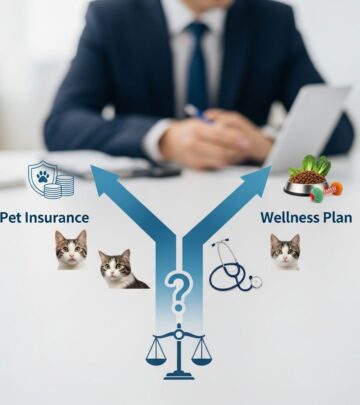
Wellness plans (sometimes called preventive care or routine care plans) are different from traditional insurance. They often function as an add-on to accident or accident-and-illness coverage and help manage predictable, recurring costs.
What Wellness Plans Typically Cover
Wellness coverage usually reimburses routine services that keep pets healthy and may help catch illness early:
- Annual physical exams and wellness checks
- Core and non-core vaccinations (e.g., rabies, distemper, and others as recommended)
- Flea, tick, and heartworm prevention
- Screening tests (fecal tests, heartworm tests, basic lab work)
- Spay or neuter surgeries, in some plans
- Routine dental cleanings
- Microchipping
Because these expenses are relatively predictable, wellness add-ons operate more like a structured reimbursement program than catastrophic insurance.
What Wellness Plans Usually Exclude
Wellness plans typically do not cover:
- Accidents and injuries (handled by accident or accident-and-illness policies)
- Illnesses, chronic diseases, or emergency hospitalizations
- Major surgery unrelated to spay/neuter or other specified preventive procedures
- Pre-existing conditions and medical treatment for those conditions
Who Might Consider a Wellness Add-On?
A wellness plan may be useful if:
- You want more predictable annual costs for checkups, vaccines, and basic prevention.
- You value preventive care and early detection and want a financial nudge to schedule visits on time.
- Your pet is young or entering stages where many preventive procedures are due (e.g., initial vaccine series, spay or neuter).
Common Add-Ons and Specialized Pet Insurance Options
Beyond the main categories, many companies let you customize coverage with riders or optional packages. Availability and details vary by insurer.
Typical Optional Riders
- Alternative and rehabilitative therapies – coverage for acupuncture, physiotherapy, chiropractic care, hydrotherapy, or laser therapy related to covered conditions.
- Behavioral therapy – diagnosis and treatment of issues such as aggression, compulsive licking, separation anxiety, or destructive chewing when treated under veterinary guidance.
- Dental illness treatment – coverage for periodontal disease and other dental problems beyond traumatic tooth injuries.
- Prescription diets and supplements – partial reimbursement for veterinarian-prescribed therapeutic foods or supplements.
- End-of-life care – cremation or burial expenses related to humane euthanasia for covered conditions.
Liability-Related Coverage
Although not the same as medical pet insurance, some owners also consider coverage for damage or injury their pet might cause:
- Dog liability insurance – a policy specifically designed to cover property damage or bodily injury caused by a dog, often considered by owners of breeds labeled as higher-risk.
- Homeowners or renters insurance pet liability – many home and renters policies include some liability coverage if your pet injures someone or damages property, though they generally do not cover veterinary bills for your own pet.
These products fall under property and liability insurance rather than health insurance, but they are an important part of a comprehensive risk-management plan for some households.
Side-by-Side Comparison of Pet Insurance Types
| Plan Type | What It Primarily Covers | Common Exclusions | Typical Use Case |
|---|---|---|---|
| Accident-only | Injuries from accidents (fractures, lacerations, ingestion, trauma); emergency surgery and hospitalization for accidents. | All illnesses, chronic diseases, routine care, and pre-existing conditions. | Budget-conscious owners seeking emergency-only protection, or coverage for seniors who may not qualify for illness plans. |
| Accident and illness | Accidents plus a wide range of diseases, including many chronic, hereditary, and congenital conditions; diagnostics and treatment. | Pre-existing conditions, routine care, elective procedures, and breeding-related care. | Owners wanting comprehensive medical protection for both unexpected injuries and serious illness. |
| Wellness / preventive | Routine exams, vaccinations, screening tests, dental cleanings, parasite prevention, microchipping, and sometimes spay/neuter. | Accidents, illnesses, emergencies, and most non-preventive procedures. | Owners who want help budgeting predictable annual preventive costs and encouragement to maintain regular checkups. |
Key Factors to Consider When Choosing a Pet Insurance Type
Deciding which plan type is best involves more than just price. Veterinary organizations advise owners to compare coverage carefully before enrolling.
- Your pet’s age and breed – Younger pets and breeds predisposed to hereditary issues may benefit from comprehensive accident and illness coverage that includes hereditary and congenital conditions.
- Existing health conditions – Because pre-existing conditions are generally excluded, enrolling before major issues arise can preserve more options.
- Budget and risk tolerance – Accident-only coverage can be more affordable but leaves you exposed to illness costs. Accident and illness plans have higher premiums but cover more scenarios.
- Desired level of preventive care – Wellness add-ons can help spread out the cost of exams, vaccines, and tests if you prefer predictable monthly expenses.
- Policy limits, deductibles, and reimbursement rates – Higher annual limits and reimbursement percentages, and lower deductibles, typically mean higher premiums but lower out-of-pocket costs at claim time.
- Waiting periods and exclusions – Many policies have waiting periods before accident or illness coverage begins and impose specific exclusions for certain conditions, especially hereditary disorders.
Frequently Asked Questions (FAQs)
Q: Is accident-only pet insurance worth it?
Accident-only coverage can be worthwhile if you mainly want protection from sudden injuries and need to keep premiums low. However, it does not help with illnesses, which are a major source of veterinary costs, so it offers narrower protection than accident and illness plans.
Q: What is the most common type of pet insurance?
Accident and illness insurance is widely considered the standard or most popular type of pet insurance, because it covers both injuries and many diseases, including chronic and hereditary conditions, depending on the policy.
Q: Do I need a wellness plan if I already have accident and illness coverage?
Wellness coverage is optional and focuses on routine care, such as exams and vaccines, that accident and illness policies usually exclude. Adding wellness can help make preventive costs more predictable, but you can also pay for these visits out of pocket and reserve insurance for unexpected events.
Q: Are hereditary and congenital conditions always covered?
Not always. Some accident and illness plans automatically cover hereditary and congenital disorders if they were not present before enrollment; others offer this only as an add-on or exclude certain conditions altogether. Reviewing each policy’s stance on hereditary diseases, age limits, and waiting periods is essential.
Q: Can I use any veterinarian with pet insurance?
Many pet insurance policies in the United States allow you to visit any licensed veterinarian, including emergency and specialty hospitals, because reimbursement is based on submitted invoices rather than provider networks. Still, owners should verify this with the insurer before enrolling.
References
- What are the three types of pet insurance? — Bankrate. 2024-04-23. https://www.bankrate.com/insurance/pet-insurance/what-are-the-three-types-of-pet-insurance/
- Pet Insurance Explained: Coverage Types, Costs, and Market Analysis — Los Angeles Times (Veterinarians section). 2023-10-05. https://www.latimes.com/veterinarians/health/specialty/story/pet-insurance-explained-coverage-types-costs-market-analysis
- What Does Pet Insurance Cover? — ASPCA Pet Health Insurance. 2023-08-15. https://www.aspcapetinsurance.com/research-and-compare/pet-insurance-basics/whats-covered/
- What Does Pet Insurance Cover? — MetLife Pet Insurance. 2023-09-12. https://www.metlifepetinsurance.com/blog/pet-insurance/what-does-pet-insurance-cover/
- Comparing Types of Pet Insurance — ASPCA Pet Health Insurance. 2022-11-02. https://www.aspcapetinsurance.com/resources/compare-pet-insurance-types/
- What Does Pet Insurance Cover? (Complete Guide) — NerdWallet. 2024-01-19. https://www.nerdwallet.com/insurance/pet/learn/pet-insurance-coverage
- What Is Pet Insurance and How Does It Work? — Progressive. 2023-05-08. https://www.progressive.com/answers/pet-insurance-101/
- How Do I Choose the Right Pet Insurance? — American Animal Hospital Association (AAHA). 2021-03-01. https://www.aaha.org/resources/pet-insurance/how-do-i-choose-the-right-pet-insurance/
Similar Articles








Read full bio of Sneha Tete