Understanding the True Cost of Auto Financing
Discover overlooked expenses that impact your car loan beyond the advertised price.
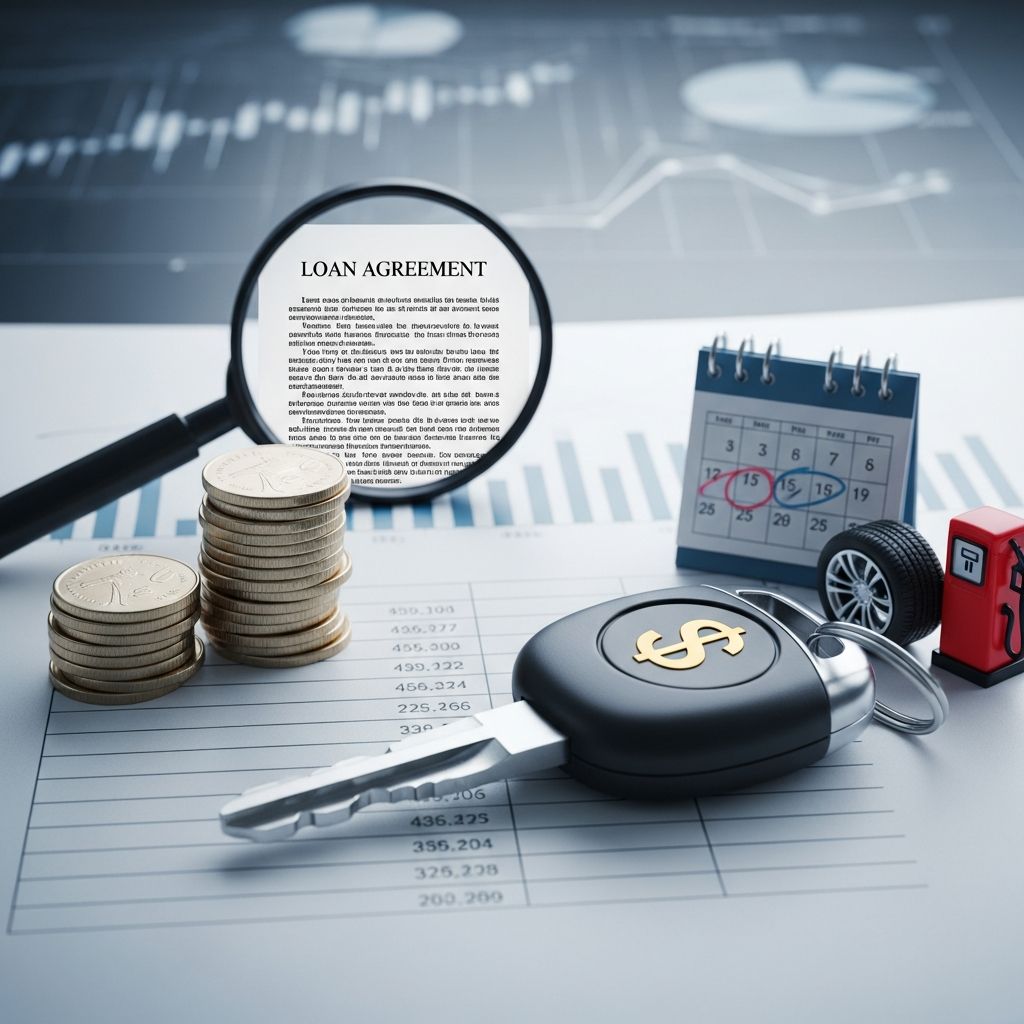
When shopping for a vehicle, most buyers focus on the advertised price displayed on the window sticker. However, this figure represents only a fraction of what you’ll actually pay when financing a car. The gap between the advertised price and your final expense can be substantial, driven by numerous costs that many buyers don’t anticipate until they’re deep in the purchasing process. Understanding these financial components before signing loan documents can help you make informed decisions and potentially save thousands of dollars.
The Interest Rate: Your Largest Hidden Expense
The Annual Percentage Rate, commonly referred to as APR, is perhaps the most significant cost that extends far beyond the vehicle’s purchase price. Your APR represents the yearly cost of borrowing money, expressed as a percentage of your loan amount. This rate directly affects how much additional money you’ll pay over the life of your loan, independent of the vehicle’s actual cost.
Several factors determine the APR you receive when financing a vehicle. Your credit score plays a pivotal role, as lenders view borrowers with higher credit scores as lower-risk customers and offer them better rates. The length of your loan term also influences your rate—shorter loan terms typically come with lower APRs, while extended financing periods carry higher rates to compensate lenders for the increased risk. Additionally, different lenders apply varying rate structures based on their lending criteria and market conditions.
To minimize interest costs, borrowers should shop around with multiple lenders before committing to a dealership’s financing offer. Credit unions and traditional banks frequently offer more competitive rates than dealership financing, providing an opportunity to compare offers side-by-side. If your credit has improved or interest rates have declined since you took out an initial loan, refinancing presents another avenue to reduce your APR and lower overall interest payments.
Government-Imposed Taxes and Fees
Sales Tax on Vehicle Purchases
Nearly every state in the United States imposes a sales tax on vehicle purchases, yet many buyers are surprised by this expense since it doesn’t appear in the advertised vehicle price. Sales tax rates vary significantly by state, ranging from modest percentages to rates exceeding 8% in some jurisdictions. When calculating your true vehicle cost, this tax must be added to the purchase price and often becomes part of your financed amount, meaning you pay interest on the tax itself.
Registration and Licensing Requirements
Once you purchase a vehicle, state and local governments require you to register it before you can legally operate it on public roads. Registration fees vary considerably across states and are frequently based on multiple factors including the vehicle’s age, weight, fuel type, and in some cases, the vehicle’s value. Some states charge flat registration rates regardless of vehicle characteristics, while others employ variable fee structures that increase with vehicle value or weight. These fees must be paid upfront and represent a non-negotiable cost of vehicle ownership.
Administrative and Processing Charges
Loan Origination and Documentation Fees
Dealerships typically charge fees to cover the administrative work associated with processing your auto loan. These charges, often labeled as origination fees or documentation fees, can vary widely depending on the dealership and lender. Many dealerships calculate these fees as a percentage of your total loan amount, meaning higher-priced vehicles or larger loan amounts result in proportionally higher administrative charges. While individual dealerships may justify these fees as covering legitimate paperwork and processing costs, they represent an expense that can often be negotiated or eliminated entirely.
To minimize these charges, compare offers from various lenders including credit unions and traditional banks, as they frequently impose lower documentation fees than dealerships. Additionally, you can attempt to negotiate with the dealership to waive or reduce these fees, particularly if you’re paying a substantial down payment or have excellent credit.
Payment Processing and Late Payment Fees
Some lenders charge supplemental fees whenever you make a loan payment, particularly if you choose to pay online, over the phone, or with a credit card. While these per-transaction fees might seem minimal individually, they accumulate significantly over the life of a multi-year loan. Late payment fees present another source of unanticipated expenses—if you miss a payment deadline or pay past the grace period, lenders may assess substantial penalties that further inflate your total cost.
Dealer Add-Ons and Optional Services
Extended Warranties and Service Contracts
Extended warranties and service contracts are optional products that dealerships frequently offer during the sales process. These plans promise to cover repair costs after the manufacturer’s warranty expires, potentially providing financial protection against unexpected mechanical failures. However, these extended coverage plans can increase your vehicle’s financed cost by $1,000 or more, depending on the coverage level and duration. Many extended warranties come with restrictions on where you can service your vehicle and may exclude certain types of repairs or maintenance. Before purchasing an extended warranty, carefully review your existing insurance coverage and evaluate whether the extended plan provides benefits you wouldn’t receive otherwise.
Insurance-Related Add-Ons
Lenders and dealerships sometimes offer supplemental insurance products alongside your auto loan, including disability insurance and life insurance. These products are designed to continue making your vehicle payments if you experience injury, job loss, or death. While these protections might appeal to some buyers, they significantly increase your loan cost and may duplicate coverage you already maintain through other policies. Before accepting these add-ons, review your existing life and disability insurance to determine whether additional coverage is necessary. If you decide additional protection is valuable, shopping independently for insurance may yield better rates than dealer-offered plans.
Destination Fees and Dealer Preparation
For new vehicles, dealerships charge destination fees to cover the cost of transporting the car from the manufacturing facility to the dealership. These fees are typically non-negotiable and reflect actual transportation costs. Additionally, dealerships may assess preparation fees claiming to cover pre-delivery inspections, detailing, and setup work. Some of these preparation charges are legitimate, while others represent unnecessary costs that may be negotiable or avoidable entirely. Requesting itemized descriptions of all preparation charges can help you identify which costs are essential and which might be eliminated through negotiation.
Special Considerations for Zero-Percent Financing
Zero-percent financing offers appear attractive on the surface—borrowing money without paying any interest seems like an obvious financial advantage. However, this financing option frequently comes with trade-offs that may eliminate any financial benefit. Dealerships offering zero-percent financing typically require excellent credit scores (usually 720 or higher) and limit this offer to specific vehicle models, often their slowest-selling inventory. The more significant hidden cost associated with zero-percent financing involves sacrificed incentives: manufacturers offering zero-percent rates often withdraw cash rebates or other discounts that might provide greater savings than the interest-free loan.
Additionally, zero-percent financing frequently comes with shorter loan terms, resulting in significantly higher monthly payments compared to traditional financing. Missing even a single payment can cause you to lose the zero-percent rate and face much higher APR. Before accepting zero-percent financing, calculate whether you’d save more money accepting a slightly higher interest rate while claiming available cash rebates and discounts.
Strategies for Minimizing Your Total Auto Loan Cost
Review Your Loan Agreement Before Signing
Request that the dealership email or fax your loan contract before your final purchase appointment. Reviewing the complete agreement at home, away from sales pressure, allows you to identify unexpected fees and charges before they’re finalized. This advance review provides opportunity to question charges and negotiate their removal or reduction. If available, consider using the dealership’s internet department for purchase negotiations, as these departments typically operate with lower commission structures and may be more flexible on fees.
Shop Multiple Lenders
Dealership financing isn’t your only option—many banks and credit unions offer competitive auto loans with terms you can review independently. Obtaining pre-approval from your financial institution before visiting a dealership strengthens your negotiating position and ensures you understand the best rates available to you.
Consider Your Down Payment Strategy
A larger down payment reduces your financed amount and subsequently reduces the total interest you’ll pay. However, ensure your down payment doesn’t deplete emergency savings or leave you financially vulnerable. Balancing these considerations depends on your personal circumstances and financial stability.
Evaluate Loan Term Length
While longer loan terms reduce monthly payments, they dramatically increase your total interest cost over time. Shorter loan terms accelerate payoff and minimize accumulated interest, though they require higher monthly payments. Calculate the total interest cost for various loan terms to understand the financial impact of your choice.
Frequently Asked Questions
How much can interest rate differences actually cost you?
Even a single percentage point difference in APR creates substantial cost variations over a multi-year loan. For example, a one-point increase from 7% to 8% APR can add hundreds of dollars to your total interest paid. Two or three percentage point increases can cost several thousand dollars across the loan’s life.
Can you negotiate away dealership fees?
Many dealership fees are negotiable, particularly documentation and preparation charges that represent administrative costs rather than mandatory government requirements. Sales tax, registration fees, and destination charges typically cannot be eliminated but may be structured differently depending on whether you finance them or pay them separately.
Should you pay sales tax separately or include it in your loan?
Paying sales tax separately rather than financing it can reduce your total interest expense, as you won’t pay interest on the tax amount itself. However, this requires having additional cash available at purchase time and may not align with your financial situation.
What’s the difference between a warranty and an extended service contract?
Manufacturers provide standard warranties covering defects for a specified period. Extended warranties or service contracts extend coverage beyond the manufacturer’s warranty period and typically cost significant additional fees. These optional plans often restrict where you can service your vehicle and may exclude certain repair types.
Taking Control of Your Auto Financing
The difference between the advertised vehicle price and your actual total cost depends largely on decisions made during the financing process. By understanding what costs exist beyond the sticker price, shopping multiple lenders for better rates, carefully reviewing all loan documents, and negotiating dealer fees, you position yourself to make financially sound decisions. The time invested in understanding these hidden expenses and exploring your options typically yields significant savings and prevents unpleasant surprises after you’ve driven off the lot.
References
- How to Spot and Avoid Unnecessary Car-Buying Fees — Consumer Reports. Accessed 2026. https://www.consumerreports.org/money/fees-billing/how-to-avoid-car-buying-fees/
- Hidden Finance Costs When Buying a Used Car — Kelley Blue Book. Accessed 2026. https://www.kbb.com/car-advice/used-car-financing-hidden-costs/
- Hidden Cost of Zero Percent Financing — First Service Credit Union. Accessed 2026. https://www.fscu.com/resources/learn/blog/library/hidden-cost-of-zero-percent-financing/
- 10 Hidden Fees to Watch Out for When Buying a Car — New York Mellon Credit Union. Accessed 2026. https://www.nymcu.org/member-resources/financial-education/10-hidden-fees-for-new-yorkers-to-watch-out-for-when-buying-a-car
Similar Articles








Read full bio of Sneha Tete