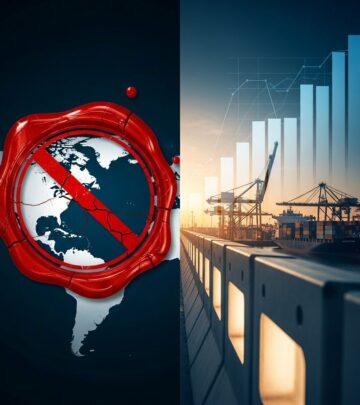
Understanding Subsidies: Definition, Types, and Economic Impact
A comprehensive guide to government subsidies, their forms, benefits, drawbacks, and real-world applications.

What Is a Subsidy?
A subsidy is a form of government expenditure designed to provide financial assistance to individuals, households, or businesses. This support system works by redistributing wealth from taxpayers to targeted recipients, helping to stabilize economies and improve access to essential goods and services. Subsidies serve as critical tools in government policy, enabling policymakers to influence market behavior, support vital industries, and ensure that citizens can afford necessities during economic uncertainty.
The fundamental purpose of subsidies is to buffer economic shocks and maintain economic stability by ensuring that the general population can afford essential household goods and services such as food, energy, and healthcare. Additionally, subsidies can provide domestic businesses with competitive advantages against foreign producers, fostering local industry development and job creation. These financial supports can take various forms, from direct cash payments to indirect benefits like tax breaks and below-market interest rates.
Forms and Structures of Subsidies
Subsidies manifest in multiple formats, each with distinct characteristics and applications. Understanding these different forms is essential for comprehending how governments intervene in markets and influence economic outcomes.
Direct Subsidies
Direct subsidies involve actual cash outlays targeted toward specified individuals, households, or businesses. These are transparent, easily identifiable transfers that create a clear link between the government and the recipient. Common examples of direct subsidies include cash grants to farmers, interest-free loans for business development, and direct payments to consumers during economic downturns. The straightforward nature of direct subsidies makes them simple to administer and understand, though they require substantial government budgetary resources.
Indirect Subsidies
Indirect subsidies do not involve actual cash payments but instead provide benefits through alternative mechanisms. These might include tax breaks, insurance programs, low-interest loans, accelerated depreciation allowances, or rent rebates. Indirect subsidies increase disposable income by reducing the price of essential goods and services or lowering business operating costs. While less visible than direct subsidies, indirect subsidies can have significant economic effects by influencing consumer behavior and business investment decisions.
Tax Subsidies
Tax subsidies, also known as tax breaks or tax expenditures, allow governments to achieve policy objectives without directly providing cash payments. By offering tax reductions, credits, or deductions, governments can incentivize behaviors they consider economically or socially beneficial. Tax subsidies reduce government revenue but avoid the appearance of direct spending. However, they can create hidden costs and may have unintended economic consequences.
Major Types of Subsidies
Beyond the structural classification of direct and indirect subsidies, government incentives can be categorized by their purpose and target recipients.
Production Subsidies
Production subsidies encourage suppliers to increase output of particular products by partially offsetting production costs or losses. These subsidies aim to expand production beyond what the market naturally supports, without raising consumer prices. Production subsidies are predominantly found in developed economies and are frequently used in agriculture, energy, and manufacturing sectors. The government essentially absorbs a portion of production costs, enabling producers to maintain lower prices while increasing output. However, production subsidies can lead to market inefficiencies and overproduction.
Consumer Subsidies
Consumer subsidies make essential goods and services more affordable for the general population. These programs help ensure that households can access necessities like food, energy, healthcare, and education without financial hardship. Governments implement consumer subsidies during economic downturns, energy crises, or when addressing affordability concerns for vulnerable populations. Common examples include fuel subsidies that prevent gasoline prices from skyrocketing, food assistance programs, and healthcare support initiatives.
Energy Subsidies
Energy subsidies are measures that keep prices for customers below market levels or support suppliers by keeping prices above market levels. These can include direct cash transfers to energy suppliers or customers, tax exemptions, price controls, trade restrictions, and limits on market access. Many countries subsidize fuel costs to shield consumers from global price volatility and maintain economic competitiveness.
Employment Subsidies
Employment subsidies are incentives provided to companies and organizations to enable them to create more job opportunities. These subsidies support workforce development and help reduce unemployment during economic downturns.
Industry-Specific Subsidies
Certain industries receive subsidies because they are essential to support a population or represent promising growth sectors. Agriculture and fishing subsidies maintain food security, while subsidies for new and fast-growing industries like renewable energy, technology, and green manufacturing support innovation and economic diversification.
Categorizing Subsidies: Broad and Narrow Classifications
Subsidies can be further classified along another dimension: their scope and transparency.
Narrow Subsidies
Narrow subsidies are easily identifiable monetary transfers with clear intent. They are characterized by explicit transfers between governments and businesses, or between governments and individuals. A government payment to a farmer represents a classic narrow subsidy, with transparent mechanisms and identifiable recipients.
Broad Subsidies
Broad subsidies include both monetary and non-monetary support and are often difficult to identify. These subsidies are less transparent and less directly attributable to specific policies. Environmental externalities represent the most common type of broad subsidy, where government policies support environmental protection without explicit cash transfers.
Advantages of Subsidies
Subsidies offer several potential benefits when effectively implemented:
Increased Supply and Affordability
One primary advantage of subsidies is the increased supply of goods and services. By reducing production costs, subsidies enable companies to increase output while maintaining competitive prices. This expanded supply improves consumer access to essential commodities, ensuring that more people can afford necessities.
Economic Stability and Protection
Subsidies function as economic buffers, protecting populations from price shocks and economic turmoil. During periods of global commodity price increases or economic downturns, subsidies prevent sudden spikes in consumer prices for essential goods, maintaining household purchasing power and economic stability.
Support for Vital Industries
Subsidies keep essential industries viable and functional, such as agriculture and fishing, which are critical for food security. Additionally, subsidies support new and emerging industries that drive innovation and economic growth, such as renewable energy and advanced manufacturing.
Job Creation and Economic Development
Employment subsidies and industry support programs create job opportunities and stimulate economic activity. By helping businesses remain viable and competitive, subsidies contribute to employment growth and regional economic development.
Support for Positive Externalities
Markets with positive externalities—extra benefits to society—receive favorable policy treatment through subsidies. These markets include education, healthcare, environmental protection, and renewable energy, where societal benefits exceed private market incentives.
Disadvantages and Criticisms of Subsidies
Despite their intended benefits, subsidies can create significant economic problems:
Market Distortions and Inefficiency
In a perfectly competitive market equilibrium, subsidies increase supply beyond the competitive quantity, creating deadweight loss. Deadweight loss represents the amount by which subsidy costs exceed subsidy benefits, indicating market inefficiency. This misallocation of resources represents a market failure that reduces overall economic efficiency.
Supply Shortages and Price Increases
Counterintuitively, lower subsidized prices can trigger sudden demand surges that producers struggle to meet. When demand dramatically exceeds supply capacity, prices may actually increase despite subsidy programs. This shortage-driven inflation undermines the subsidy’s original purpose of maintaining affordability.
Fiscal Burden on Government
Subsidies require substantial government spending, straining public budgets and potentially crowding out other important spending priorities. Long-term subsidy commitments can become fiscally unsustainable, particularly as beneficiary populations grow or production costs rise.
Potential for Overproduction
Production subsidies may promote overproduction, leading to surplus inventories, environmental degradation, and waste. Agricultural subsidies, for example, can incentivize excess production that cannot be efficiently sold, creating economic waste.
International Trade Complications
Subsidies can violate international trade agreements and provoke retaliatory trade measures from other countries. Export subsidies, in particular, can trigger trade disputes and undermine global market stability.
Subsidy Applications and Real-World Examples
Governments employ subsidies across numerous sectors to achieve various policy objectives. Fuel subsidies represent one of the most common applications, with governments maintaining below-market prices to protect consumers from global oil price volatility. Agricultural subsidies support farmers and ensure food security, though they remain controversial due to market distortion effects. Healthcare and education subsidies expand access to these essential services, promoting public health and human capital development. Renewable energy subsidies encourage transition away from fossil fuels, supporting environmental objectives. Business development subsidies and enterprise investment schemes foster entrepreneurship and industrial development in targeted regions.
The Economic Framework of Subsidies
Subsidies operate within complex economic frameworks that determine their effectiveness and consequences. When governments implement subsidies, they fundamentally alter price signals in markets, influencing both consumer behavior and producer decisions. The magnitude of subsidy effects depends on market structure, elasticity of supply and demand, and the size of subsidy payments relative to market prices. Successful subsidy programs balance the goal of providing support with minimizing economic distortion and fiscal costs.
Fisheries Subsidies: A Specialized Framework
Fisheries subsidies exemplify how subsidy classifications apply to specific industries. There are four categories of fisheries subsidies: direct financial transfers, indirect financial transfers and services, certain forms of intervention, and government non-intervention. Direct payments typically affect industry profits in the short term, while indirect subsidies involve government intervention with generally positive short-term profit effects. Certain interventions create negative short-term economic impacts but positive long-term societal benefits, such as environmental conservation. The fourth category—government inaction—paradoxically constitutes a subsidy by allowing producers to impose costs on society, creating positive short-term benefits but negative long-term consequences.
Frequently Asked Questions
Q: What is the primary purpose of government subsidies?
A: The primary purpose of government subsidies is to stabilize the economy by ensuring citizens can afford essential goods and services, supporting vital industries, and achieving social policy objectives. Subsidies redistribute wealth from taxpayers to targeted recipients to accomplish these goals.
Q: How do production subsidies differ from consumer subsidies?
A: Production subsidies target suppliers by offsetting their production costs, increasing output without raising consumer prices. Consumer subsidies directly support buyers by reducing the prices they pay for goods and services, making essentials more affordable.
Q: Can subsidies cause market inefficiency?
A: Yes, subsidies can create deadweight loss and market inefficiency by increasing supply beyond competitive equilibrium levels. This represents a market failure where subsidy costs exceed subsidy benefits, reducing overall economic efficiency.
Q: What are indirect subsidies?
A: Indirect subsidies provide benefits without direct cash payments, including tax breaks, low-interest loans, insurance programs, and accelerated depreciation. They increase disposable income by reducing prices or lowering business operating costs.
Q: How do subsidies affect international trade?
A: Subsidies, particularly export subsidies, can violate international trade agreements and trigger trade disputes. Other countries may perceive subsidies as unfair advantages and implement retaliatory measures, complicating global trade relationships.
References
- Subsidy — Wikipedia. 2025. https://en.wikipedia.org/wiki/Subsidy
- Subsidy — EBSCO Research Starters. 2025. https://www.ebsco.com/research-starters/politics-and-government/subsidy
- Subsidy – Overview, Examples, Advantages and Disadvantages — Corporate Finance Institute. 2025. https://corporatefinanceinstitute.com/resources/economics/subsidy
- Subsidies in International Trade — Curtis Global Legal Consulting. 2025. https://www.curtis.com/glossary/international-trade/subsidies
- Definition of a Subsidy (Article 1) — Cambridge University Press, WTO Agreement on Subsidies and Countervailing Measures. 2017-08-31. https://www.cambridge.org/core/books/wto-agreement-on-subsidies-and-countervailing-measures/definition-of-a-subsidy/A33ED2A3911FAE9C09922970C0FCDAD4
Similar Articles








Read full bio of medha deb