Spread: Understanding Trading and Investing Spreads
Master bid-ask spreads, credit spreads, and option strategies in trading and investing.

Understanding Spreads in Trading and Investing
A spread in finance refers to the difference between two prices or rates. In the context of securities trading and investing, spreads play a crucial role in determining transaction costs and potential profitability. Whether you’re a beginner investor or an experienced trader, understanding spreads is essential to making informed financial decisions and optimizing your trading strategies.
Spreads manifest in various forms across different financial markets and instruments. The most common type is the bid-ask spread, which represents the difference between the price at which buyers are willing to purchase a security and the price at which sellers are willing to sell it. However, spreads also appear in options trading, bonds, forex markets, and other financial instruments. Each type of spread has distinct characteristics and implications for investors and traders.
The Bid-Ask Spread Explained
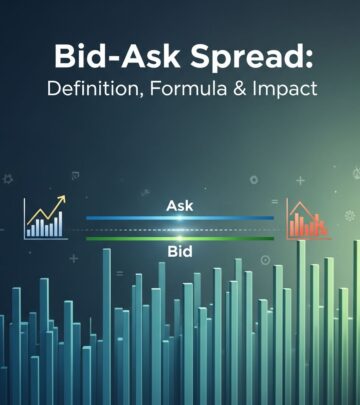
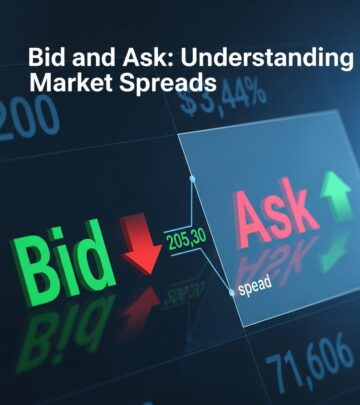
The bid-ask spread, also known as the bid-offer spread, is the most fundamental concept in securities trading. It represents the gap between the highest price a buyer is willing to pay for a security (the bid) and the lowest price a seller is willing to accept (the ask).
What Is the Bid Price?
The bid price is the maximum price that a buyer is currently willing to pay for a security. Market makers and buyers continuously submit bids, and the highest bid at any given moment is displayed in the order book. When you sell a security, you typically receive the bid price. The bid price fluctuates based on market demand, with higher demand leading to higher bid prices.
What Is the Ask Price?
The ask price, also called the offer price, is the minimum price at which a seller is willing to sell a security. This is the price you pay when you buy a security. Like the bid price, the ask price changes constantly based on market conditions, supply, and demand dynamics. Generally, the ask price is higher than the bid price, creating the spread.
Calculating the Spread
The bid-ask spread is calculated by subtracting the bid price from the ask price:
Bid-Ask Spread = Ask Price – Bid Price
For example, if a stock has a bid price of $50.00 and an ask price of $50.10, the bid-ask spread is $0.10. This spread represents the transaction cost you incur when buying and immediately selling a security. Spreads can be expressed in absolute terms (dollars) or as a percentage of the mid-price.
Factors Affecting Bid-Ask Spreads
Several factors influence the width of bid-ask spreads in financial markets:
- Liquidity: More liquid securities typically have tighter spreads because there are more buyers and sellers, reducing uncertainty and risk for market makers. Conversely, illiquid securities have wider spreads.
- Volatility: During periods of high market volatility, spreads tend to widen as market makers increase their margins to compensate for increased risk and uncertainty.
- Trading Volume: Securities with high trading volumes usually have narrower spreads because market makers can quickly offset their positions without significant price adjustments.
- Company Size: Large-cap stocks typically have tighter spreads than small-cap or micro-cap stocks due to higher liquidity and more market participants.
- Market Conditions: During market stress or economic uncertainty, spreads widen across the board as risk aversion increases among market participants.
- Time of Day: Spreads are typically tightest during peak trading hours when market activity is highest, and wider during pre-market and after-hours trading.
Credit Spreads in Options Trading
Beyond the bid-ask spread, spreads also refer to specific options trading strategies designed to generate income or reduce option costs. A credit spread involves selling one option and simultaneously buying another option of the same type (both calls or both puts) with different strike prices or expiration dates.
How Credit Spreads Work
When establishing a credit spread, the premium received from selling the higher-premium option exceeds the premium paid for buying the lower-premium option, resulting in a net credit to your account. This net credit is the maximum profit you can make from the strategy. The maximum loss is the difference between the strike prices minus the net credit received.
Bull Call Spreads
A bull call spread is a moderately bullish options strategy where an investor buys a call option at a lower strike price and sells a call option at a higher strike price, both with the same expiration date. This strategy reduces the cost of buying the call while capping the maximum profit potential. Investors use bull call spreads when they expect moderate upward price movement.
Bear Put Spreads
A bear put spread involves buying a put option at a lower strike price and selling a put option at a higher strike price, both expiring on the same date. This strategy generates income from the premium collected when selling the higher strike put. The maximum profit equals the net credit received, while the maximum loss equals the strike price difference minus the credit.
Debit Spreads and Other Spread Strategies
Debit spreads represent the opposite of credit spreads. In these strategies, you pay a net debit to establish the position because the cost of buying the option exceeds the premium received from selling it. Common debit spread strategies include:
- Bull Call Spreads (Debit): When the net result is a debit, investors pay upfront to establish the position with limited downside risk.
- Bear Call Spreads: Moderately bearish strategies where investors profit if the stock price declines or stays below the lower strike price.
- Calendar Spreads: Strategies involving options with different expiration dates, designed to profit from time decay differences.
- Diagonal Spreads: Combinations of vertical and calendar spreads with different strike prices and expiration dates.
Bond Spreads
In the bond market, spreads refer to the difference in yield between two different bonds. The most common comparison is the spread between corporate bonds and Treasury bonds. A wider credit spread suggests higher default risk and indicates that investors demand greater compensation for taking on that risk. Bond spreads narrow when credit conditions improve and widen during economic stress or recessions.
Yield spread calculations help investors assess relative value and credit quality. For example, if a 10-year Treasury bond yields 3% and a comparable corporate bond yields 4%, the spread is 100 basis points, reflecting the additional risk premium demanded for corporate debt.
Forex and Commodity Spreads
In currency trading, spreads represent the difference between the bid and ask prices for currency pairs. Forex spreads tend to be very tight for major currency pairs like EUR/USD due to high liquidity, but wider for exotic currency pairs with lower trading volume.
Commodity trading also features spreads, particularly in futures markets. The spread between futures contracts with different expiration dates reflects storage costs, carrying costs, and market expectations about future price movements. These spreads provide valuable information to traders about market sentiment and supply-demand dynamics.
Impact of Spreads on Trading Costs
Spreads directly impact your effective trading costs. When you buy a security, you pay the ask price, and when you sell, you receive the bid price. The difference represents an immediate cost that reduces your profitability. For active traders executing numerous trades, even small spreads can accumulate into substantial costs.
Minimizing spread costs involves several strategies:
- Trading during peak market hours when spreads are tightest
- Using limit orders to potentially achieve better prices
- Selecting highly liquid securities with narrow spreads
- Working with reputable brokers who offer competitive pricing
- Avoiding illiquid or thinly traded securities
Market Maker Role in Spreads
Market makers play a crucial role in creating spreads and providing liquidity to financial markets. These firms continuously quote bid and ask prices, ready to buy from sellers and sell to buyers. Market makers profit from the spread between their buy and sell prices, earning compensation for the risk they take by maintaining positions in securities.
Market makers adjust spreads based on their inventory levels, market volatility, and competitive pressures. During volatile market conditions or when holding large positions in illiquid securities, market makers widen spreads to compensate for increased risk. Competition among market makers typically leads to tighter spreads, benefiting retail investors and traders.
Spreads and Market Efficiency
The width of spreads serves as an indicator of market efficiency and liquidity. Narrow spreads suggest an efficient market with abundant liquidity, where prices quickly reflect available information. Wide spreads indicate less efficient markets, higher trading costs, and potentially mispriced securities.
Financial regulators monitor spread widths as part of broader market surveillance efforts. Unusually wide spreads during normal market conditions may signal underlying problems or concentrated positions held by major market participants. Conversely, abnormally narrow spreads might suggest excessive risk-taking by market makers or potential market manipulation.
Frequently Asked Questions About Spreads
What does “spread” mean in investing?
In investing, a spread refers to the difference between two prices. Most commonly, it describes the bid-ask spread—the gap between the highest buy price and lowest sell price for a security. Spreads also refer to options strategies and the yield difference between bonds.
How do spreads affect my trading costs?
Spreads directly increase your trading costs. When buying a security, you pay the ask price, and when selling, you receive the bid price. The difference is an immediate cost that reduces profits. Active traders can minimize this by trading during peak hours and selecting liquid securities.
Why do spreads widen during market volatility?
During volatile market conditions, spreads widen because market makers face increased uncertainty and risk. They adjust spreads upward to compensate for the higher chance of adverse price movements and to cover potential losses from rapid price fluctuations.
What is the difference between bid and ask prices?
The bid price is the highest price a buyer is willing to pay, while the ask price is the lowest price a seller is willing to accept. The ask price is always higher than the bid price, and the difference between them is the spread.
How can I find securities with tighter spreads?
Securities with higher trading volumes and better liquidity typically have tighter spreads. Large-cap stocks, major indices, and heavily traded ETFs generally offer narrower spreads than small-cap stocks or illiquid securities.
Are narrow spreads always better for investors?
Yes, narrow spreads are generally better for investors as they reduce transaction costs. However, investors should also consider other factors like execution speed, broker reputation, and market conditions when selecting where to trade.
References
- Securities and Exchange Commission (SEC) — Trading Basics — U.S. Securities and Exchange Commission. https://www.sec.gov/investor/pubs/askthelawyer.htm
- Financial Industry Regulatory Authority (FINRA) — Understanding Spreads — FINRA. https://www.finra.org/investors/insights/understanding-spreads-trading
- Options Industry Council — Spread Strategies Guide — The Options Clearing Corporation. https://www.theocc.com/education/educational-resources
- Federal Reserve — Understanding Bond Yields and Spreads — Board of Governors of the Federal Reserve System. https://www.federalreserve.gov/econres/notes/feds-notes/
- Market Microstructure and Trading Costs — Journal of Financial Economics Research. Academic peer-reviewed studies on bid-ask spreads and market efficiency principles.
Similar Articles








Read full bio of medha deb