Secured Loans: A Comprehensive Guide For Borrowers
Discover how secured loans work, their benefits, risks, and key differences from unsecured options for smarter borrowing decisions.
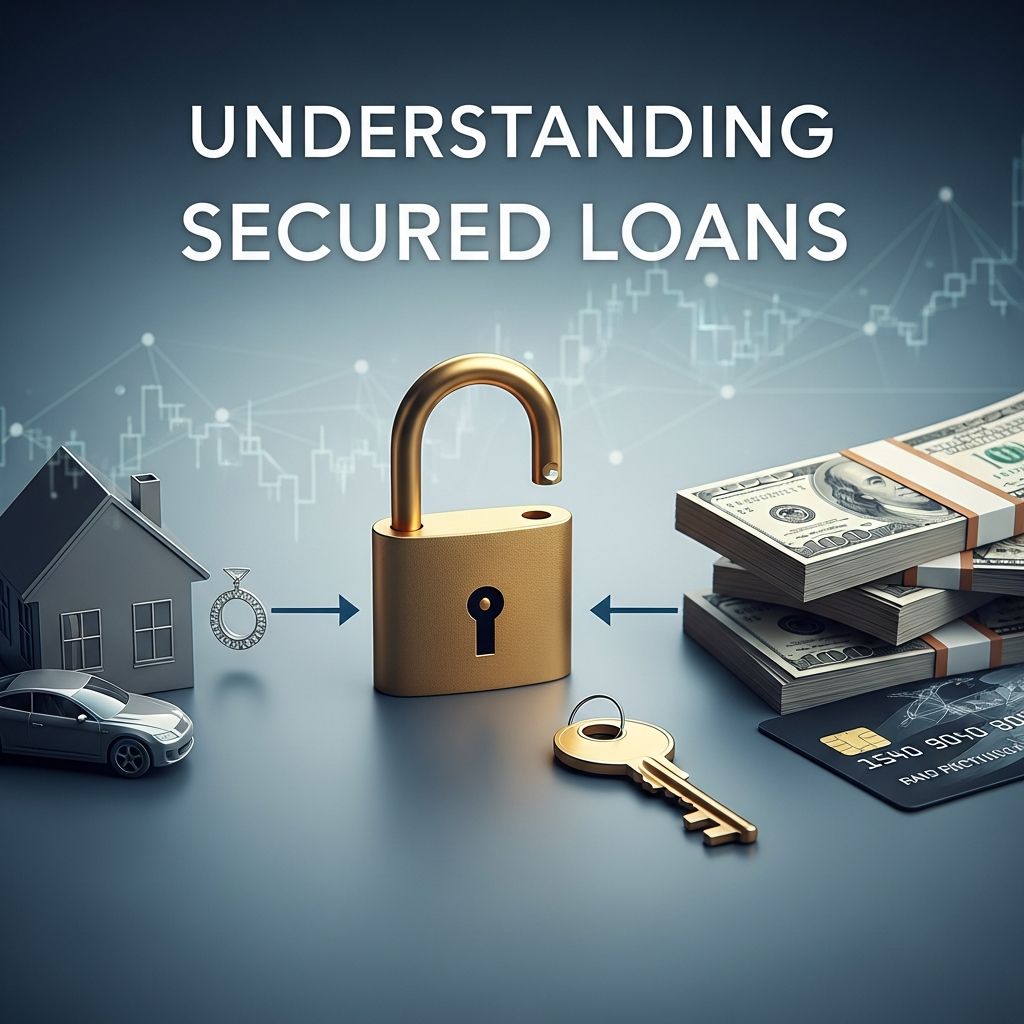
Secured loans provide borrowers with access to funds by using valuable assets as backing, offering advantages like reduced interest costs compared to other borrowing methods. This guide delves into their mechanics, benefits, drawbacks, and strategic use in personal finance planning.
Defining Secured Loans and Their Core Mechanics
A secured loan involves pledging an asset, known as collateral, to guarantee repayment, which significantly lowers the lender’s exposure to loss. Common collateral includes vehicles, real estate, or savings accounts, allowing lenders to recover funds by seizing and selling the asset if payments cease.
The process begins with loan approval based partly on the collateral’s appraised value, which often determines the maximum amount borrowable. Lenders place a lien on the asset, restricting its sale or transfer until the debt is cleared. Repayment typically follows an installment structure with fixed monthly payments over terms ranging from one to thirty years, depending on the loan type.
Everyday Examples of Secured Loans
- Mortgages: These finance home purchases, using the property itself as collateral. Default leads to foreclosure, where the home is sold to cover the debt.
- Auto Loans: Vehicles secure these loans; repossession occurs upon default, with the car auctioned to recoup losses.
- Home Equity Loans and HELOCs: Borrowers tap into home equity, risking the property if unable to repay.
- Secured Personal Loans: Flexible options backed by assets like savings or CDs, suitable for various needs with competitive rates.
- Share-Secured Loans: Credit unions often offer these, using account deposits as collateral for lower-risk borrowing.
Advantages That Make Secured Loans Appealing
Secured loans stand out for their borrower-friendly features, primarily due to minimized lender risk.
- Lower interest rates reduce overall borrowing costs, as lenders face less uncertainty.
- Easier qualification, even for those with suboptimal credit scores, since collateral offsets risk.
- Higher loan limits based on asset value, enabling funding for substantial expenses.
- Extended repayment periods spread payments, easing monthly cash flow burdens.
- Opportunity to improve credit through consistent on-time payments reported to bureaus.
| Feature | Benefit for Borrower |
|---|---|
| Interest Rates | Typically 3-10% lower than unsecured equivalents |
| Approval Odds | Higher for fair/poor credit profiles |
| Loan Amounts | Up to 80-100% of collateral value |
| Terms | 1-30 years, flexible options |
Potential Drawbacks and Risks Involved
While advantageous, secured loans carry serious implications for borrowers’ assets and financial stability.
- Collateral forfeiture upon default, potentially losing homes, cars, or savings.
- Lengthier application processes involving asset appraisals and liens.
- Usage restrictions on some loans, limiting funds to specific purposes like vehicle purchases.
- Credit damage from repossession or foreclosure, lingering on reports for up to seven years.
- Diminished asset liquidity, as liens prevent free use or sale.
Secured Loans Versus Unsecured Alternatives
Unsecured loans rely solely on creditworthiness and income, lacking collateral requirements but imposing higher costs and stricter criteria.
| Aspect | Secured Loan | Unsecured Loan |
|---|---|---|
| Collateral | Required | None |
| Interest Rates | Lower (less risk to lender) | Higher |
| Approval Ease | Easier, especially poor credit | Harder, credit-focused |
| Loan Size | Larger, asset-based | Smaller |
| Default Consequence | Asset loss + credit hit | Credit damage + collections |
| Examples | Mortgage, auto, HELOC | Credit cards, student loans |
This comparison highlights secured loans’ suitability for larger needs with assets available, versus unsecured for smaller, quicker funds without risk to property.
Ideal Scenarios for Choosing Secured Loans
Opt for secured loans when funding major acquisitions like homes or vehicles, where the asset matches the loan purpose. They’re also ideal for debt consolidation if rates beat existing obligations, or building credit via predictable payments. Borrowers with assets but credit challenges benefit most, accessing funds otherwise unavailable.
Assess affordability first: ensure payments fit within 30-40% of income to avoid default risks. Tools like loan calculators help project totals, including interest.
Navigating the Application Journey
Securing a loan starts with shopping lenders—banks, credit unions, online platforms—for best rates. Gather documents: ID, income proof, asset details. Expect appraisals for high-value collateral, influencing terms. Review agreements closely for fees, prepayment penalties, and default clauses. Prequalification checks credit softly, preserving scores.
- Compare APRs across 3-5 lenders.
- Verify collateral valuation methods.
- Negotiate terms where possible.
- Confirm reporting to credit bureaus.
Strategies to Protect Yourself as a Borrower
Mitigate risks by maintaining emergency funds covering 3-6 months of payments. Set autopay for timeliness. Refinance if rates drop or equity grows. Monitor credit regularly for errors. Consult advisors for complex cases, ensuring alignment with long-term goals.
Building Credit Responsibly with Secured Options
Secured credit cards or loans serve as entry points for credit novices or rebuilders. Timely payments boost scores, transitioning to unsecured products over time. Lenders like credit unions offer share-secured variants with minimal risk, as collateral is liquid savings.
Frequently Asked Questions
What qualifies as collateral for a secured loan?
Assets like homes, cars, boats, savings accounts, or investments with verifiable value.
Can I lose my asset if I miss one payment?
No, lenders follow delinquency processes, but prolonged default triggers seizure.
Are secured loans available for bad credit?
Yes, collateral compensates for credit issues, improving approval odds.
How do secured loans impact my credit score?
Positive payments build history; defaults harm via repossession notations.
What’s the difference between a secured loan and a lien?
The loan is the debt; the lien is the legal claim on collateral securing it.
Final Thoughts on Smart Borrowing
Secured loans empower significant financial moves with favorable terms but demand caution due to asset stakes. Weigh personal circumstances, repayment capacity, and alternatives before proceeding. Informed decisions safeguard wealth while achieving objectives.
References
- What is a Secured Loan — HFS FCU. 2023. https://hfsfcu.org/education/what-is-a-secured-loan/
- What Are Secured Loans And How Do They Work? — Bankrate. 2024-01-15. https://www.bankrate.com/loans/personal-loans/what-is-a-secured-loan/
- The Advantages and Disadvantages of Secured Loans — The Loans Engine. 2023-05-10. https://www.theloansengine.co.uk/news/the-advantages-and-disadvantages-of-secured-loans/
- What Is a Secured Loan? — Experian. 2024-08-20. https://www.experian.com/blogs/ask-experian/what-is-a-secured-loan/
- Secured vs. Unsecured Loans — Regions Bank. 2023. https://www.regions.com/insights/personal/article/secured-vs-unsecured-loans
- What is the difference between secured and unsecured debt? — Greenville FCU. 2024. https://greenvillefcu.com/what-is-the-difference-between-secured-and-unsecured-debt/
Similar Articles








Read full bio of medha deb