Understanding Post-Purchase Housing Regret
Learn why homebuyers experience regret and practical strategies to prevent it.
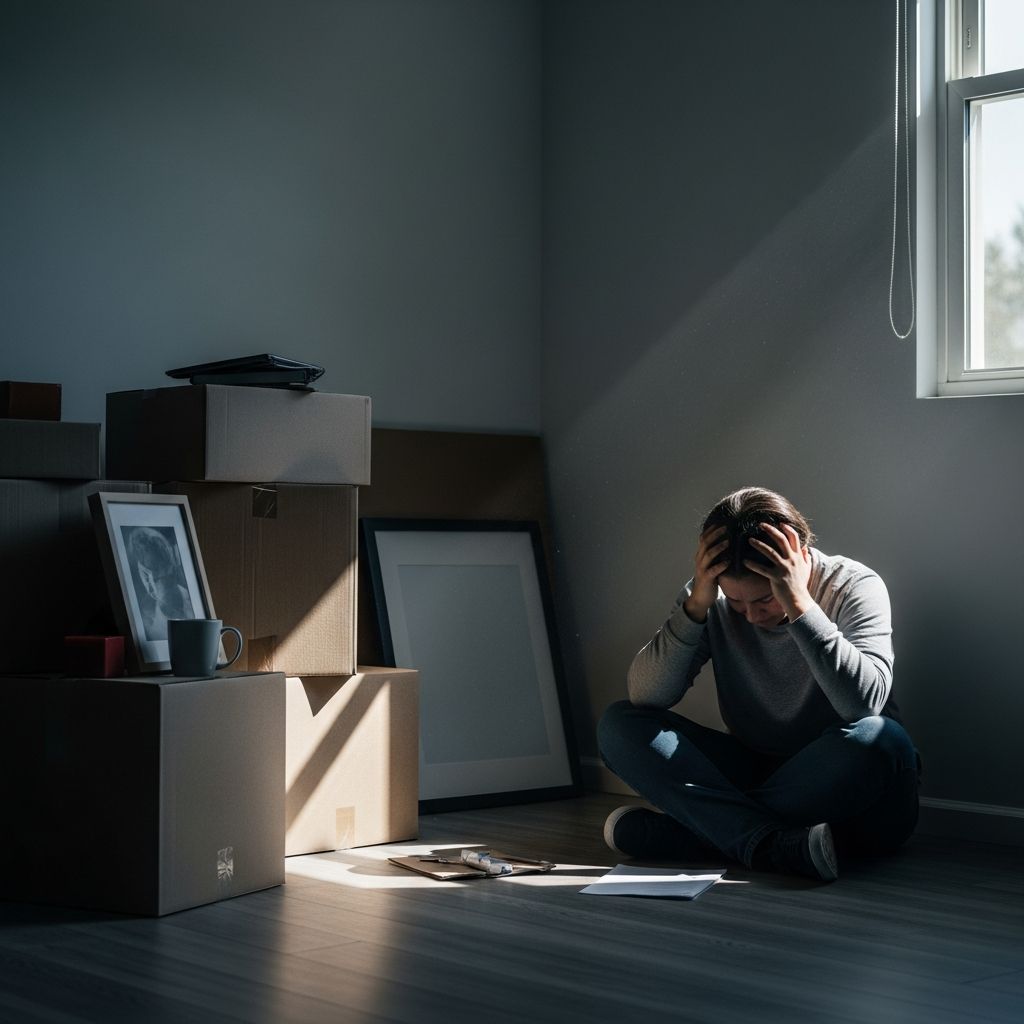
Acquiring a residential property represents one of the most significant financial and emotional decisions most people make in their lifetimes. Yet despite careful planning and due diligence, a substantial portion of homebuyers find themselves questioning their decision shortly after closing. Research indicates that 82% of recent homebuyers report at least one regret related to their purchase, while other surveys suggest that as many as 70% of homeowners experience some form of post-purchase disappointment. This widespread phenomenon deserves serious examination, as understanding its root causes can help prospective buyers make more informed decisions and current homeowners navigate their feelings more effectively.
Defining Post-Purchase Housing Regret
Post-purchase housing regret, commonly referred to as buyer’s remorse in real estate contexts, encompasses the feelings of doubt, anxiety, and disappointment that emerge after a home purchase has been finalized. This emotional response can range from mild dissatisfaction with specific aspects of the property to profound concern about whether the entire purchase was a mistake. The condition manifests differently for different people—some buyers question whether they paid an appropriate price, while others worry they selected the wrong location or property type altogether.
What distinguishes this form of regret from other purchase-related disappointments is the magnitude of the financial commitment involved. A home purchase typically represents the largest expenditure in a person’s or family’s budget, making the stakes considerably higher than dissatisfaction with smaller consumer goods. Additionally, the permanence of real estate transactions—the difficulty and expense involved in selling and relocating—intensifies the emotional weight of any regrets that arise.
The Financial Foundation of Regret
One of the most frequently cited sources of post-purchase housing regret involves financial concerns. Multiple surveys reveal that approximately 23-30% of homebuyers feel they spent too much money or paid more than the property was worth. This financial anxiety often stems from several interconnected issues:
- The gap between anticipated and actual monthly obligations, including mortgage payments, property taxes, insurance, and maintenance costs
- Unexpected closing costs that appeared larger than estimates suggested during the pre-purchase phase
- Rising interest rates that increase the total amount paid over the loan’s lifetime
- The cumulative impact of maintenance, repairs, and upgrades that weren’t anticipated during the initial purchase decision
The residential real estate market has experienced dramatic price appreciation in recent years. The median sales price for new homes in the United States increased from $315,700 in September 2019 to $426,300 by 2024—representing a 35% increase in just five years. This rapid escalation has created an environment where buyers feel pressured to stretch their budgets beyond comfortable limits, leading to financial stress once the reality of ownership sets in.
First-time homebuyers prove particularly vulnerable to financial regret. Many are tempted to maximize their borrowing capacity when they discover multiple offers competing for the same property, only to experience sticker shock when reviewing closing costs and realizing the true expense of homeownership. The transition from estimating costs to confronting actual bills creates a powerful source of regret.
Maintenance Expectations Versus Reality
Perhaps the most consistent source of post-purchase regret relates to maintenance requirements and associated costs. Research shows that 28% of recent homebuyers identified excessive maintenance demands as their primary regret, making this the single most common complaint among dissatisfied buyers. This issue encompasses several distinct problems:
Many buyers underestimate the ongoing costs required to maintain a property in good condition. Homeownership demands regular expenditures for utilities, repairs, landscaping, pest control, and structural maintenance that can accumulate into substantial annual expenses. Buyers who focused primarily on the aesthetic appeal during their property tours—such as fresh paint or modern finishes—sometimes overlooked underlying structural or mechanical issues that create expensive repair obligations after purchase.
Approximately one-third of buyers report that sellers were not forthcoming about maintenance requirements, suggesting that information asymmetry during negotiations contributes significantly to this form of regret. Cosmetic improvements can effectively mask fundamental problems with foundations, roofing, electrical systems, or plumbing infrastructure. A home presenting beautifully decorated interiors might conceal expensive structural vulnerabilities that emerge only after the new owner assumes responsibility for repairs.
Location, Lifestyle, and Property Fit
The second most frequently cited regret involves discovering that the purchased property fails to meet the buyer’s actual needs and lifestyle requirements. Approximately 24% of homebuyers express regret that their home doesn’t accommodate their preferred living arrangements. This category of regret typically emerges after moving day, when theoretical preferences become practical realities.
Location-related regrets develop in multiple ways. A neighborhood that seemed acceptable during daytime showings may prove too noisy at night, with unexpected traffic patterns or social conditions. Commute times that appeared manageable on a map become frustrating when experienced daily. Proximity to desired amenities—quality schools, shopping, recreation facilities—may prove less convenient than anticipated.
Property size and layout frequently generate regret among buyers who didn’t adequately communicate their space requirements. A kitchen that seemed sufficient during the showing may feel cramped for someone who enjoys cooking and entertaining. A home that appeared spacious before furnishing becomes claustrophobic once personal belongings are moved in. Families sometimes discover that their property lacks adequate workspace for multiple household members working remotely, a consideration that has grown increasingly important in the post-pandemic era.
Rushed Decision-Making and Market Pressure
Competitive real estate markets create conditions that encourage hasty purchasing decisions. Approximately 22% of homebuyers report that they purchased their homes too quickly, a situation often driven by external pressures rather than genuine readiness. Fear of missing out (FOMO) has become an increasingly recognized factor in real estate decision-making, with buyers concerned that waiting even weeks might result in missing available properties or facing even higher prices.
When multiple offers compete for single properties, buyers face artificial urgency to submit offers immediately, often without adequate time for thorough research, inspection analysis, or thoughtful consideration. Some buyers skip traditional inspections entirely in hopes of making their offers more attractive, thereby accepting unknown risks. Others accept less favorable terms, waive contingencies, or overlook important property details in efforts to win bidding competitions.
Emotional pressure compounds these market-driven factors. Buyers often feel obligated to make purchases to satisfy family expectations, meet life milestones, or capitalize on historically low interest rates—without genuinely considering whether the timing and property align with their actual needs. The excitement of finally affording homeownership can overwhelm careful deliberation.
Avoiding Common Pitfalls: Strategic Approaches
Understanding what causes post-purchase housing regret provides a foundation for preventing it. Several evidence-based strategies can help buyers make more confident decisions:
Financial Preparation and Honest Assessment
Before beginning any property search, prospective buyers should calculate their true affordability using comprehensive calculators that account for all homeownership costs beyond mortgage payments. This includes property taxes, insurance, utilities, maintenance reserves, and HOA fees where applicable. Financial advisors recommend that total housing expenses not exceed 28-30% of gross household income, a threshold that helps prevent the financial stress driving significant portions of post-purchase regret.
Thorough Due Diligence on Maintenance Requirements
Rather than relying primarily on visual impressions during property tours, buyers should prioritize understanding the home’s maintenance history and future obligations. Requesting documentation about utility costs, regular maintenance needs, and previous repairs helps establish realistic expectations. Professional home inspections remain essential, with particular attention to structural integrity, mechanical systems, and foundation condition—factors that determine long-term ownership costs far more than cosmetic finishes.
Location Validation Beyond Initial Impressions
Prospective buyers should visit properties multiple times, including during different hours and weather conditions, to gain authentic impressions of neighborhood character and traffic patterns. Spending time in the area—visiting local restaurants, parks, and shopping venues—reveals lifestyle compatibility better than cursory drive-throughs. Consulting with current residents and researching school ratings, crime statistics, and future development plans provides data-driven location assessment.
Resisting Market-Driven Urgency
While competitive markets create genuine pressure, buyers who maintain flexibility regarding timelines and property requirements make better long-term decisions. Setting firm criteria for must-have features prevents emotional decision-making in bidding wars. Accepting that missing one property doesn’t mean missing all future opportunities helps buyers avoid accepting poor-fit purchases simply to close quickly.
Managing Regret After Purchase
Despite best efforts, some buyers still experience post-purchase regret. Understanding that this feeling is normal and often temporary provides initial reassurance. Research indicates that most homebuyers’ regret diminishes over time as they adjust to their new surroundings and settle into ownership routines.
For persistent concerns about specific property issues—structural problems, unexpected maintenance costs, or undisclosed conditions—consulting with real estate attorneys about potential remedies may provide options. Some jurisdictions recognize buyer protections related to material misrepresentation, though remedies depend heavily on local law and the specific circumstances of non-disclosure.
Many homeowners find that undertaking planned improvements and customizations helps transform their properties into more personalized spaces, reducing the sense that they made a mistake. This psychological shift from viewing the home as a fixed asset to viewing it as a canvas for personal modification can substantially improve satisfaction.
Conclusion: Informed Decisions, Better Outcomes
Post-purchase housing regret affects a significant majority of homebuyers, but its causes are largely preventable through thorough research, honest financial assessment, and resistance to market-driven urgency. By prioritizing maintenance realities over cosmetic appeal, validating that properties genuinely fit lifestyle needs, and ensuring financial comfort with ownership costs, buyers can substantially reduce the likelihood of experiencing serious regret. While some dissatisfaction appears nearly universal in homeownership, understanding its sources empowers buyers to make decisions they can live with confidently for years to come.
References
- Survey: Buyer’s Remorse Rooted in Surprise Property Issues — National Association of Realtors. 2024. https://www.nar.realtor/magazine/real-estate-news/sales-marketing/survey-buyers-remorse-rooted-in-surprise-property-issues
- Understanding Home Buyer’s Remorse and How to Avoid It — Redfin. 2024. https://www.redfin.com/blog/home-buyers-remorse/
- 5 Common Reasons For Buyer’s Remorse After Purchasing A Home — LRG Realty. 2024. https://lrgrealty.com/blog/2024/4/2/5-common-reasons-for-buyers-remorse-after-purchasing-a-home
- What Is Buyer’s Remorse And How Do You Handle It? — Quicken Loans. 2024. https://www.quickenloans.com/learn/buyers-remorse-for-homebuyers
- FOMO & Buyer’s Remorse – Two Sides of the Housing Market — Freedonia Group. 2024. https://www.freedoniagroup.com/blog/fomo-buyer%E2%80%99s-remorse-%E2%80%93-two-sides-of-the-housing-market
Similar Articles








Read full bio of medha deb