Understanding the Pink Tax: How Gender Pricing Affects Women
Discover how the pink tax impacts your wallet and what you can do to fight gender-based price discrimination.
What Is the Pink Tax?
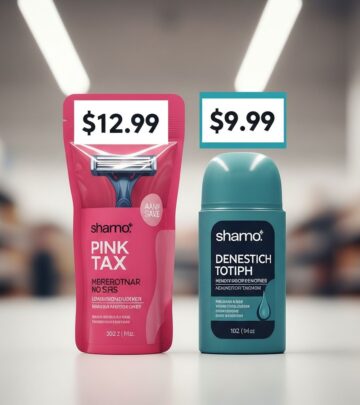
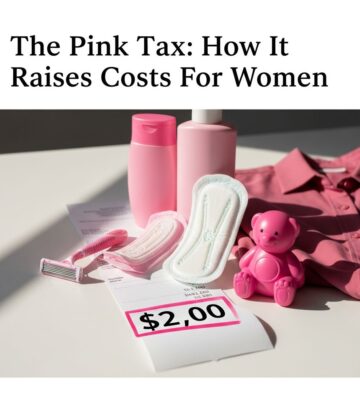
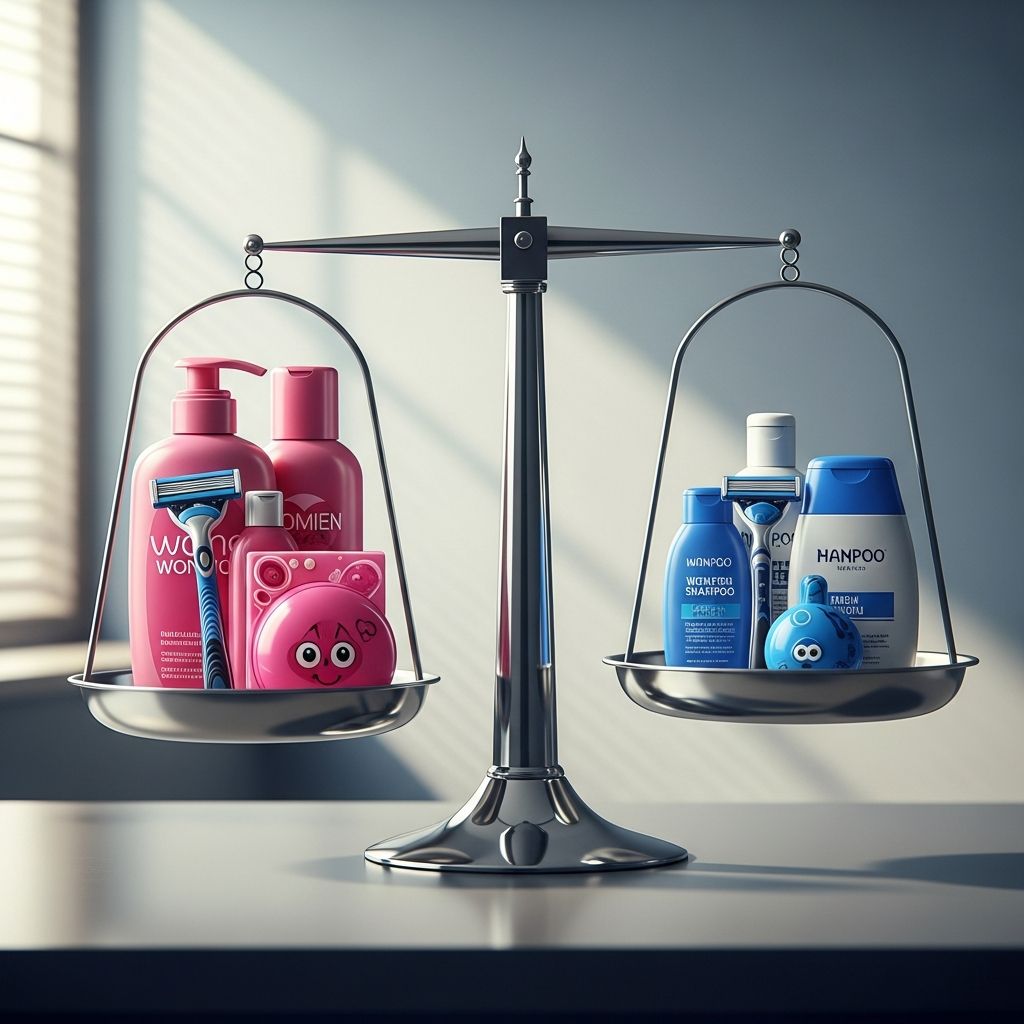
The pink tax is not an actual tax imposed by the government, but rather a systematic price markup on products and services marketed specifically toward women. Despite being functionally identical to their male-marketed counterparts, products branded and packaged for women consistently cost more. The name derives from the common practice of using pink coloring and feminine branding to market these products to women, making the price discrimination immediately visible to consumers.
At its core, the pink tax represents a form of gender-based price discrimination that affects women across all age groups and income levels. From childhood toys to adult personal care items, this pricing disparity compounds over a woman’s lifetime, resulting in substantial financial inequality.
How Much Does the Pink Tax Cost Women?
The financial impact of the pink tax is significant and measurable. Research shows that women pay an average of $1,300 more per year due to gender-based pricing across various consumer goods and services. Over a lifetime, this translates to approximately $188,000 for an individual woman, with the cumulative effect across all women in the United States reaching roughly $47 billion annually.
In international contexts, the disparity is equally concerning. Women in the United Kingdom pay an estimated £200 (approximately $250) more annually than men for identical everyday consumer goods and services. These price differences are not marginal—in some cases, comparable products marketed to women cost up to 46% more than those marketed to men.
The impact extends to tariffs as well. Studies on U.S. tariff rates reveal that imported women’s clothing faces an average tax rate of 15.1%, compared to just 11.9% for men’s clothing, further inflating costs at the point of importation.
Which Products Are Subject to the Pink Tax?
The pink tax affects a wide range of everyday consumer products and services:
- Personal Care Products: Deodorants, razor blades, shampoos, soaps, lotions, and shower gels marketed to women typically cost more than male equivalents despite similar quality and function.
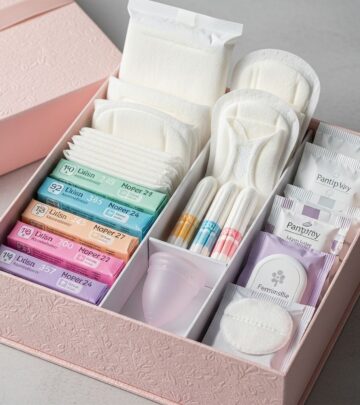
- Feminine Hygiene Products: Menstrual products like tampons and pads are subject to the “tampon tax”—additional sales tax that can reach up to 13% in some states.
- Clothing and Footwear: Women’s clothing, including school uniforms, is often priced 5-12% higher than boys’ clothing, with tariffs contributing to this disparity.
- Toys and Games: Children’s toys marketed for girls cost on average 5.5% more than identical toys marketed for boys, establishing the pink tax from an early age.
- Services: Haircuts, dry cleaning, laundry services, and even car repairs frequently charge women higher prices than men for equivalent work.
Why Does the Pink Tax Exist?
Understanding the causes of the pink tax is essential for addressing this systematic inequality. Multiple factors contribute to this pricing phenomenon:
Market Segmentation and Branding
Companies deliberately segment consumer markets by gender, creating distinct product lines and packaging specifically designed for women. This gendered segmentation allows manufacturers to justify premium pricing by marketing femininity as a valuable attribute. Products receive different branding, colors, and packaging despite performing identical functions, enabling companies to charge significantly higher prices for the “female-oriented” version.
Historical Gender Roles and Consumer Expectations
Traditional gender norms have conditioned society to expect women to invest more heavily in grooming, appearance maintenance, and personal care. These ingrained expectations create a cultural foundation for price discrimination, as consumers have been socialized to accept higher prices for women-targeted products as normal.
Price Elasticity and Consumer Behavior
Research suggests that women may exhibit different price elasticity compared to men, potentially being more willing to pay premium prices for products marketed to them. Additionally, some evidence indicates that marketing strategies target women as ethical consumers willing to pay more for perceived quality or value.
Production Costs and Product Differentiation
In some cases, legitimate production cost differences justify price variations. However, research shows that the primary cause of pink tax pricing is often women sorting into goods with higher marginal costs rather than actual differences in manufacturing expenses. Companies capitalize on perceived product differentiation to maintain price premiums.
Tariffs and Import Taxes
Government tariff structures contribute directly to the pink tax. U.S. tariffs impose higher rates on imported women’s clothing compared to men’s clothing, increasing costs at the source. These structural barriers make women’s products inherently more expensive before they even reach retail shelves.
The Broader Economic Impact of the Pink Tax
The pink tax does more than drain individual wallets—it perpetuates systematic economic inequality between genders. Since women earn approximately 20% less than men on average, the added financial burden of the pink tax disproportionately impacts their economic power and financial stability.
Period Poverty and Essential Products
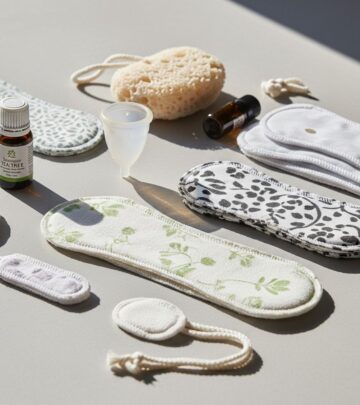
One of the most concerning consequences of the pink tax is its contribution to “period poverty.” When menstrual products carry sales taxes and premium pricing, many women and girls struggle to afford these essential items. Studies estimate that one in four women and girls cannot afford menstrual products, which can negatively affect their social, emotional, and physical health. The annual cost of the “tampon tax” alone amounts to approximately $80 million for U.S. consumers.
Cumulative Purchasing Power Disadvantage
The combination of lower wages and higher prices for women-targeted products creates a compounding economic disadvantage. Men effectively hold more purchasing power in the economy, reinforcing gender-based economic inequality.
Legislative Efforts to Combat the Pink Tax
Recognition of the pink tax’s harmful effects has spurred legislative action at both state and federal levels:
The Pink Tax Repeal Act
Representative Jackie Speier introduced H.R. 5686, the Pink Tax Repeal Act, to the House floor on July 8, 2016. This bipartisan bill aimed to mandate that comparable products marketed to men and women must be priced equally, targeting both public policy and gendered marketing initiatives. Though Speier acknowledged the bill faced significant obstacles to passage, she successfully elevated the conversation about gender-based price discrimination. The bill was reintroduced in June 2021, demonstrating ongoing congressional commitment to addressing this issue.
State-Level Reforms
More than twenty states have passed laws addressing the pink tax. Notable examples include:
- California eliminated gender-based price discrimination on services over a decade ago and expanded protections to products through a new retail law.
- New York eliminated the pink tax on certain goods and services.
- Ohio similarly eliminated pink tax protections.
International Legislative Efforts
The United Kingdom has joined efforts to combat gender-based pricing. Scottish Liberal Democrat Christine Jardine raised an Early Day Motion in Parliament in 2020, proposing the Gender-Based Pricing (Prohibition) Bill to address the disparity in pricing for basic products including toiletries, clothing, and haircuts.
Impact of Women’s Representation
Research reveals an encouraging correlation: a 10% increase in women’s representation in legislative bodies decreases the pink tax by approximately 0.44%. This demonstrates that policy change is achievable through increased female participation in decision-making.
Practical Strategies to Combat the Pink Tax
While legislative changes continue, consumers can take immediate action to minimize the impact of gender-based pricing:
Compare and Switch Products
Carefully examine product packaging and specifications. Many “women’s” products are functionally identical to “men’s” versions—such as razors, deodorants, and shampoos. Switching to the male-marketed equivalent can yield significant savings without sacrificing quality.
Purchase Unisex Alternatives
Many brands now offer gender-neutral product lines that eliminate the pink tax entirely. Opting for unisex options provides the same functionality at fairer prices.
Buy in Bulk
Purchasing personal care and hygiene products in bulk from warehouse retailers can reduce per-unit costs and minimize the cumulative impact of gender-based pricing.
Support Advocacy Organizations
Organizations like Period Law work to eliminate the tampon tax and raise awareness about price discrimination. Supporting these groups amplifies their impact.
Vote with Your Wallet
Choose brands and retailers that explicitly reject gender-based pricing. Rewarding fair pricing practices encourages broader market adoption of equitable pricing structures.
The Dynamic Nature of Pink Tax Pricing
The pink tax is not static. Research indicates that price disparities can increase or decrease over time, a phenomenon called “pinkflation” when women’s products experience disproportionate price increases during inflationary periods. For example, between June 2020 and June 2021 in the United Kingdom, prices for men’s products were less subject to inflation than women’s products, demonstrating how the pink tax can worsen during economic challenges.
Frequently Asked Questions
Q: Is the pink tax actually a tax?
A: No. Despite its name, the pink tax is not a government-imposed tax. It refers to gender-based price discrimination by private companies who charge higher prices for products marketed to women.
Q: Which states have eliminated the pink tax?
A: More than twenty states have passed laws addressing the pink tax. California, New York, and Ohio are among the most notable examples, with California providing the most comprehensive protections for both products and services.
Q: How much can I save by avoiding pink tax products?
A: The average woman spends approximately $1,300 annually due to the pink tax. By actively choosing gender-neutral or male-marketed alternatives, you can reclaim a significant portion of this sum.
Q: Does the pink tax apply to children’s products?
A: Yes. The pink tax begins early, with girls’ toys costing an average of 5.5% more than boys’ toys, and girls’ school uniforms costing 5-12% more than boys’ uniforms.
Q: What is the “tampon tax” and how does it relate to the pink tax?
A: The “tampon tax” refers to sales tax applied to menstrual products in states that have not exempted them. This tax can reach 13% and contributes to period poverty by making essential products unaffordable for many women and girls.
Q: Can I find products that don’t have a pink tax?
A: Yes. Many brands now offer unisex or gender-neutral product lines. Additionally, purchasing male-marketed versions of functionally identical products (such as razors or deodorants) can help you avoid the pink tax entirely.
References
- Pink Tax — Wikimedia Foundation (Wikipedia). 2025. https://en.wikipedia.org/wiki/Pink_tax
- Understanding the Pink Tax and Pinkflation — BSI Economics. 2024. https://bsi-economics.org/understanding-the-pink-tax-and-pinkflation-note/
- The Pink Tax: How Gender-Based Pricing Hurts Women’s Buying Power — U.S. Congress Joint Economic Committee. 2016. https://www.jec.senate.gov/public/_cache/files/8a42df04-8b6d-4949-b20b-6f40a326db9e/the-pink-tax—how-gender-based-pricing-hurts-women-s-buying-power.pdf
- Pink Tax: What Does Price Discrimination Cost Women? — Kiplinger. 2024. https://www.kiplinger.com/taxes/pink-tax-womens-products-price-discrimination
- What is the ‘Pink Tax’ and How Does It Hinder Women? — World Economic Forum. 2022-07. https://www.weforum.org/stories/2022/07/what-is-the-pink-tax-and-how-does-it-hinder-women/
Similar Articles








Read full bio of Sneha Tete