Pending Transactions: 6 Smart Ways To Manage Your Money
Learn how pending transactions work and their impact on your account balance.
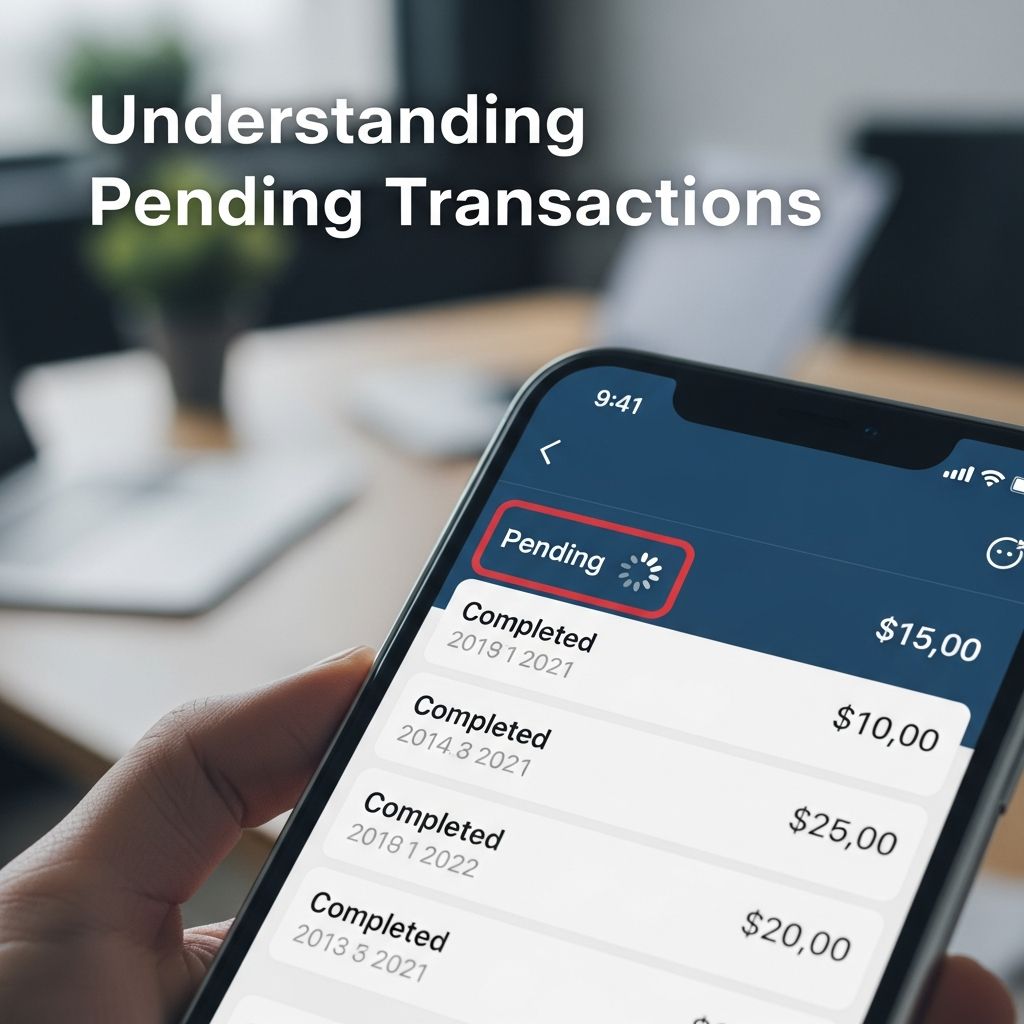
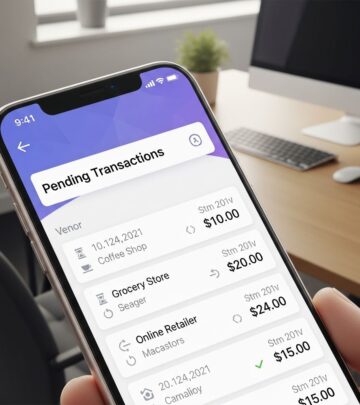
When you check your bank account or credit card statement, you might notice transactions labeled as “pending.” These temporary entries can be confusing, especially if you’re trying to track your spending or understand how much money you actually have available to spend. A pending transaction represents an approved payment or deposit that your financial institution has recognized but hasn’t fully processed and settled into your account yet. Understanding how these transactions work is essential for managing your finances effectively and avoiding overdrafts or confusion about your account balance.
What Exactly Is a Pending Transaction?
A pending transaction occurs when you initiate a financial action—such as making a purchase with a debit card, requesting a payment transfer, or depositing a check—and your bank or credit card issuer has authorized the action but hasn’t completed the full processing cycle. At this intermediate stage, your bank acknowledges that the transaction is legitimate and that sufficient funds exist to cover it, but the money hasn’t moved from one account to another or been formally recorded in your account history.
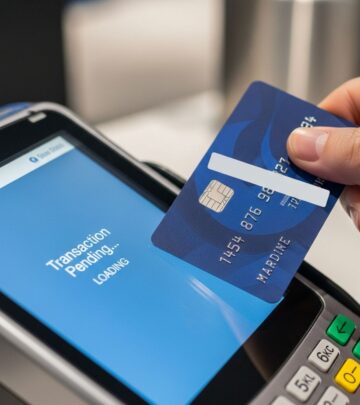
When you swipe your debit card at a retail store, for example, the merchant’s system communicates with your card issuer to request authorization for the purchase amount. If your account has adequate funds and there are no fraud flags, your bank approves the transaction within seconds. However, the merchant may not send the finalized transaction details to your bank until hours or even days later. During this waiting period, the transaction appears in your account with a “pending” label, indicating that it’s in limbo between authorization and settlement.
The Two-Stage Process Behind Pending Transactions
Every transaction involving your bank account or credit card goes through two distinct stages: authorization and settlement. Understanding this dual-step process clarifies why transactions remain pending and how long they typically take to finalize.
Authorization Phase
The authorization phase happens almost instantaneously when you use your card or request a transfer. Your card issuer receives a request from the merchant (or the financial institution on the other end of a transfer) to approve a specific dollar amount. The bank checks several factors: whether your account exists, whether you have sufficient funds available, and whether the transaction matches known patterns of your spending behavior (fraud detection). If everything checks out, the bank places a temporary hold on those funds, reducing your available balance immediately, even though the actual money hasn’t physically moved yet. This authorization typically takes just seconds, and most users see the transaction appear in their account almost instantly.
Settlement Phase
The settlement phase is where the actual money transfer and account posting occurs. After authorizing a transaction, merchants don’t always process individual transactions in real-time. Many businesses bundle transactions together into batches, which they submit to their payment processor and your bank once per day, usually at the end of the business day. When your bank receives and processes these batches, it officially moves the funds from your account to the merchant’s account and marks the transaction as “posted” rather than “pending.” This phase can take anywhere from one to five business days, depending on the transaction type and the institutions involved.
Key Differences: Pending Versus Posted Transactions
The distinction between a pending and a posted transaction is fundamental to understanding your account:
| Characteristic | Pending Transaction | Posted Transaction |
|---|---|---|
| Processing Status | Authorized but not yet finalized | Fully processed and settled |
| Availability of Funds | Funds are held and unavailable for use | Funds have been transferred; balance is updated |
| Account Record | Temporary entry that may change | Permanent record in transaction history |
| Ability to Modify | Amount can change or transaction can be canceled | Can only be reversed through refund or dispute |
| Timeline | Usually 1–5 business days | Final and complete |
Once a transaction posts, it becomes a permanent part of your account history and your bank statement. The amount is fixed, and any changes would require a separate refund or disputed charge process. Pending transactions, by contrast, retain flexibility; the merchant might still adjust the final amount before settlement occurs.
Why Transactions Remain Pending: Common Causes
Several factors contribute to transactions staying in pending status for extended periods:
Merchant Batch Processing
The most common reason for pending status is merchant batch processing. Many businesses, from small retailers to large corporations, don’t finalize individual transactions immediately. Instead, they collect all their day’s transactions and submit them together to their payment processor in one batch, typically at the end of the business day or week. This batch approach is more efficient for merchants and reduces their processing costs. Gas stations, restaurants, hotels, and online retailers frequently employ this method, which can add one to three business days to the processing timeline.
Temporary Authorization Holds
Certain merchants place temporary holds on customer accounts for legitimate business reasons. Hotels may authorize an amount beyond your actual bill to cover potential damages or incidental charges during your stay. Rental car companies place holds to ensure you can cover any damage claims. Restaurants often authorize the bill amount before you add a tip, then adjust the final charge upward when you sign the receipt. Gas stations may place a hold while you’re pumping fuel to ensure the transaction completes. These holds are temporary and should disappear once the merchant processes the actual final charge.
Check Clearing Delays
If you deposit a check into your account or write a check to someone else, the transaction remains pending until the check clears. Your bank must communicate with the issuing bank to verify that funds are available before crediting your account. This verification process involves multiple steps and can take one to two business days or longer, depending on whether the banks have an established relationship and how quickly each bank processes check images.
Security Verification Processes
Your bank may place a transaction in pending status temporarily while conducting fraud detection or security checks. If a purchase seems unusual compared to your spending patterns—such as a large transaction in a different geographic location or a purchase from a merchant category you rarely visit—your bank might hold the transaction pending manual review. This safety measure protects against unauthorized charges but can cause frustration when legitimate purchases are flagged.
Processing Timelines: How Long Does Pending Actually Last?
The duration of pending status varies depending on the transaction type:
| Transaction Type | Typical Timeline | Factors Affecting Speed |
|---|---|---|
| Debit or Credit Card Purchases | 1–3 business days | Merchant batch processing schedule |
| ACH Electronic Transfers | 1–3 business days | Bank processing windows and queue volume |
| Online Purchases | 1–3 business days | Merchant system integration and batch processing |
| Domestic Wire Transfers | Same day | Time of day transaction is initiated |
| Check Deposits | 1–2 business days | Bank verification requirements |
| International Wire Transfers | Several days to 2 weeks | Compliance reviews and currency conversion |
Most common transactions—card purchases, online orders, and standard ACH transfers—clear within one to three business days. However, weekends and holidays extend these timelines since banks don’t process transactions on non-business days. A transaction initiated on Friday evening might not post until Wednesday of the following week.
How Pending Transactions Affect Your Available Balance
A critical point of confusion for many account holders concerns how pending transactions impact available balance. When a transaction is authorized and moves to pending status, your bank immediately reduces your available balance by that amount, even though the money hasn’t physically left your account yet. This means your “available balance” (the amount you can spend) differs from your “account balance” (the total in your account).
If your account contains $500 and you make a $150 purchase that goes into pending status, your account balance still shows $500, but your available balance drops to $350. If you attempt to make another purchase for $400, your bank will likely decline it because your available balance isn’t sufficient, even though your total account balance is technically more than $400. This protection prevents you from overdrafting your account by spending beyond what you’ve actually committed.
What Happens When a Pending Transaction Doesn’t Post?
Not all pending transactions eventually post. Several scenarios can cause a pending transaction to disappear:
- Merchant Cancellation: The merchant might cancel the transaction if the customer requests cancellation before settlement, or if the merchant determines that the sale won’t proceed.
- Failed Authorization: Although less common, a transaction that was initially authorized might fail at the settlement stage if the merchant’s bank rejects it or if an issue is discovered during processing.
- Amount Adjustment: Some transactions, particularly restaurant charges and utility bills, may show a different final amount at settlement than the pending amount. You might have authorized $50 for dinner, but the final charge including tip could be $62.
- Duplicate Prevention: If a merchant accidentally submits a transaction twice, your bank’s fraud detection systems may catch the duplicate and prevent the second posting.
This uncertainty is why pending transactions matter: until they post, the final outcome isn’t guaranteed.
Can You Cancel a Pending Transaction?
The ability to cancel a pending transaction depends on its stage and the institution involved. If you catch an unauthorized or mistaken purchase while it’s still pending, you may be able to cancel it before settlement occurs. Contact your bank or credit card issuer immediately and provide transaction details. Banks are more likely to successfully cancel transactions that haven’t yet entered the settlement phase. However, once a transaction has posted, cancellation requires requesting a refund from the merchant or disputing the charge with your card issuer.
The window for canceling pending transactions is small—typically a few hours to one business day—so prompt action is essential if you need to stop a transaction.
Frequently Asked Questions About Pending Transactions
Does a pending transaction mean the money is gone from my account?
The money is held and unavailable, but it hasn’t permanently left your account until the transaction posts. If the pending transaction is canceled before settlement, the hold is released and the funds become available again.
Why do pending transactions sometimes disappear?
Merchants may cancel orders, fail to finalize payments, or adjust amounts before settlement. Additionally, if the settlement process fails on the merchant’s end, the transaction may be reversed automatically.
Can pending transactions change amounts?
Yes. Until a transaction posts, the merchant may adjust the final amount, particularly for charges involving tips, taxes, or additional services.
How do I know if a pending transaction is legitimate?
Review the merchant name, transaction date, and amount against your recent purchases. If you don’t recognize it, contact your bank immediately to report potential fraud.
What should I do if a pending transaction never posts?
Wait five to seven business days before contacting your bank, as processing can take longer during busy periods. If it doesn’t appear after a week, file a dispute with your card issuer.
Best Practices for Managing Pending Transactions
Effective management of pending transactions helps you maintain accurate spending awareness and prevent overdrafts:
- Regularly review both your account balance and available balance to understand your true spending capacity.
- Keep detailed personal records of purchases you make, noting the transaction date and amount, then verify they post correctly within the expected timeline.
- Account for pending transactions when planning bills or large purchases to avoid insufficient available balance.
- Set up account alerts through your bank’s app or website to notify you of transactions reaching your account, helping you track when pending transactions post.
- Monitor bank statements when they arrive to ensure all pending transactions eventually posted with the correct amounts.
- Report unauthorized or suspicious pending transactions to your bank immediately rather than waiting for them to post.
Conclusion
Pending transactions are a normal part of the modern banking system, representing the necessary delay between transaction authorization and settlement. While they can be confusing, understanding their mechanics—the two-stage process, the distinction from posted transactions, and the various factors affecting their duration—empowers you to manage your finances more effectively. By recognizing how pending transactions impact your available balance and taking proactive steps to monitor them, you can avoid overdrafts, catch fraudulent charges early, and maintain better control over your spending patterns.
References
- What Does a Pending Transaction Mean on a Bank Account? — SoFi. 2026. https://www.sofi.com/learn/content/what-does-pending-transaction-mean/
- What Is A Pending Transaction — PNC Insights. 2026. https://www.pnc.com/insights/personal-finance/spend/what-is-a-pending-transaction.html
- Pending Transaction: What It Means & How It Works — Ramp. 2026. https://ramp.com/blog/pending-credit-card-charges
- What is a pending transaction? — Capital One. 2026. https://www.capitalone.com/learn-grow/money-management/pending-transactions/
- What Are Pending Transactions? — CommBank. 2026. https://www.commbank.com.au/brighter/banking/what-are-pending-transactions.html
Similar Articles








Read full bio of medha deb