Understanding Open Houses in Real Estate
Complete guide to open houses: what they are, how they work, and key benefits.
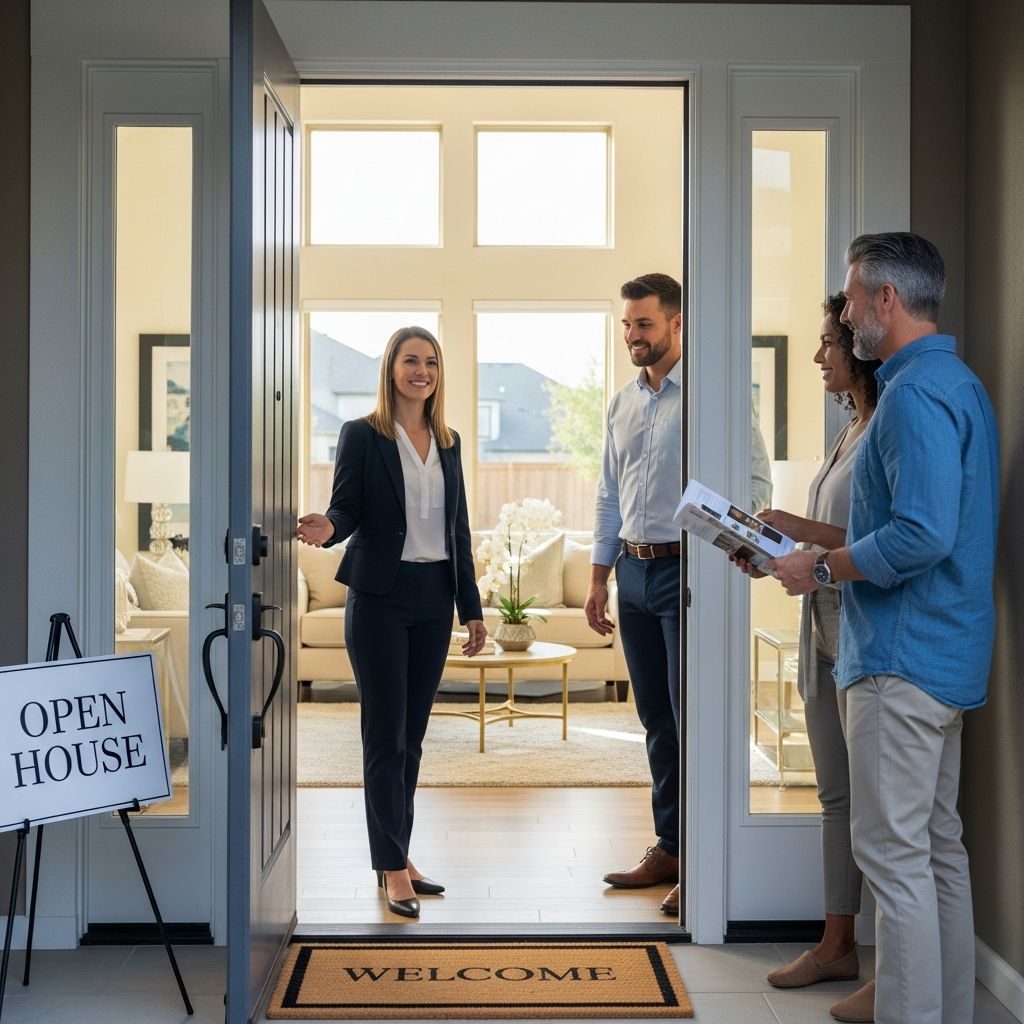
An open house represents a scheduled public viewing event where a property available for sale remains accessible to interested parties without requiring advance appointments. Typically lasting between one to three hours, these events allow prospective buyers to tour residential properties at their convenience, creating an informal setting that contrasts sharply with traditional private showings. Real estate agents and homeowners use open houses as a fundamental marketing strategy to generate interest, attract qualified buyers, and ultimately facilitate faster property sales.
Defining the Open House Concept
At its core, an open house is a real estate marketing event designed to maximize property exposure. Unlike private showings where individual buyers schedule appointments to view a home, open houses invite the general public to explore properties during designated time windows. This fundamental distinction creates an entirely different dynamic—instead of a one-on-one interaction between an agent and buyer, open houses foster a more relaxed, communal atmosphere where multiple visitors circulate through the property simultaneously.
The informal nature of open houses distinguishes them significantly from private viewings. Buyers attending open house events experience reduced pressure compared to private showings, where they may feel watched or rushed by the listing agent. This accessibility appeals particularly to first-time homebuyers who might find private appointments intimidating, and to casual browsers exploring neighborhoods without immediate purchasing intentions.
How Open Houses Function in the Market
The mechanics of hosting an open house involve coordinated planning and strategic marketing. Real estate professionals typically select specific dates and times that maximize foot traffic—often weekend afternoons when potential buyers have greater availability. Before the event, extensive promotion occurs across multiple channels, including online listings, social media platforms, local advertisements, and signage positioned strategically throughout neighborhoods.
During the actual event, the property is professionally prepared and presented at its absolute best. Sellers often employ staging techniques to highlight architectural features, create appealing living spaces, and help visitors envision themselves inhabiting the home. Real estate agents remain present throughout the open house, available to answer questions, provide property information, and engage with visitors. This direct interaction creates valuable opportunities for agents to identify serious buyers and collect feedback about the property’s appeal.
Key Benefits for Property Sellers
Sellers enjoy numerous advantages when hosting open houses, making them an attractive marketing strategy for homeowners looking to sell quickly and effectively.
- Expanded Market Reach: Open houses dramatically increase the number of people viewing the property compared to private showings alone. This expanded exposure helps homes stand out in crowded real estate markets and reaches potential buyers who might not have booked private appointments.
- Increased Competitive Interest: When multiple buyers view a property simultaneously, competitive dynamics emerge naturally. Seeing other interested parties can motivate individual buyers to submit offers promptly, sometimes resulting in multiple competing bids and potentially higher final sale prices.
- Faster Sales Cycles: The combination of increased visibility, buyer competition, and efficient property showcasing often accelerates the overall selling process. Properties with open houses frequently sell more quickly than those relying exclusively on private showings.
- Higher Perceived Value: Professionally staged homes presented during open houses can attract bids exceeding the asking price. The emotional connection buyers develop when viewing properties in person often translates into willingness to pay premium prices.
- Valuable Market Feedback: Open house visitors provide direct, actionable feedback about pricing, desirable features, and areas requiring improvement. This information helps sellers make strategic adjustments to their selling approach if necessary.
- Networking Opportunities: Open houses create valuable connections between real estate agents and other industry professionals, potentially leading to beneficial partnerships and future opportunities.
Advantages for Prospective Buyers
Buyers also benefit substantially from attending open houses, gaining flexibility and comfort throughout their home-search process.
- Appointment-Free Flexibility: Open houses eliminate scheduling constraints, allowing buyers to view properties during convenient times without coordinating appointments with agents. This convenience particularly appeals to busy professionals and families with demanding schedules.
- Low-Pressure Exploration: The casual atmosphere permits buyers to explore properties at their own pace, examining closets, checking room dimensions, and taking time to appreciate architectural details without feeling rushed. This relaxed setting encourages thorough evaluation and deeper property appreciation.
- Comparative Shopping: Open houses enable buyers to view multiple properties within short timeframes, facilitating meaningful comparisons between homes and neighborhoods. This broader perspective helps buyers identify properties best matching their specific needs and preferences.
- Neighborhood Assessment: In-person visits provide superior neighborhood insights compared to online research alone. Visitors gain authentic understanding of local traffic patterns, community atmosphere, and overall area character.
- Direct Agent Communication: Buyers interact directly with listing agents, obtaining detailed property information and answering specific questions on the spot. These conversations provide valuable market context and professional insights.
- Market Competitiveness Insight: Observing other interested buyers helps prospects understand competitive market conditions and gauge property desirability. This market awareness informs strategic decision-making and bid strategies.
The Psychological Impact of Open Houses
Research demonstrates that open houses significantly influence buyer behavior and perception. Remarkably, 92% of buyers reported that open houses are at least “somewhat useful” in their home-buying process, indicating substantial buyer appreciation for this marketing approach. Additionally, traditional open house signage proves surprisingly effective, with 4% of buyers reporting that they discovered their purchased homes through open house signs—a notable achievement for a straightforward marketing tool.
The emotional dimension of open houses cannot be understated. When buyers physically tour homes, they naturally envision themselves inhabiting the spaces, imagining furniture placement and lifestyle possibilities. This emotional engagement creates stronger connections than online photographs or virtual tours can generate, often translating directly into purchase motivation and willingness to submit competitive offers.
Attracting Diverse Buyer Audiences
Open houses naturally appeal to broad audience segments, extending beyond highly motivated active buyers. Properties attract casual neighborhood observers curious about comparable homes, early-stage home searchers still developing preferences, and unexpected purchasers who weren’t previously considering relocating. First-time buyers find open houses particularly welcoming, as the group setting reduces the intimidation factor sometimes associated with private viewings.
This broad appeal creates unexpected advantages for sellers. Sometimes visitors who weren’t seriously house hunting fall in love with properties during open house tours, converting casual browsers into committed buyers. The diversity of attendees ensures maximum market exposure and increases the likelihood of identifying the right buyer for any given property.
Strategic Marketing Through Open Houses
Successful open houses require deliberate marketing strategies that extend well beyond simply unlocking doors. Targeted marketing approaches identify potential buyers using demographic data and tailor advertising messages to emphasize specific property features and benefits. Online promotion across real estate platforms, social media, and local websites reaches digitally-engaged shoppers, while traditional signage and neighborhood advertising capture local interest.
The most effective open house promotions highlight unique selling points—whether breathtaking views, recent renovations, updated systems, or distinctive architectural features. Emphasizing these competitive advantages attracts qualified buyers genuinely interested in properties’ specific characteristics, improving conversion rates and reducing time on market.
Identifying Serious Buyers Through Open Houses
Real estate professionals use open houses as efficient screening mechanisms for identifying serious, committed buyers. The interactive nature of these events reveals genuine purchase interest, buyer preferences, and timeline intentions through direct conversation. Information gathered during open houses helps agents prioritize follow-up efforts, focusing energy on high-potential prospects and accelerating transaction processes.
Well-prepared open house environments—featuring informative materials about property features, neighborhood information, and financing options—attract and engage serious buyers more effectively. Creating welcoming, informative atmospheres demonstrates professionalism and commitment, which resonates particularly strongly with qualified, motivated purchasers.
Creating Competitive Market Dynamics
When multiple interested buyers view properties simultaneously, natural competitive pressures emerge that benefit sellers significantly. Observing fellow prospective purchasers’ interest motivates individual buyers to act quickly, submit stronger offers, and potentially exceed asking prices. Limited inventory in desirable locations intensifies these competitive dynamics, often resulting in multiple simultaneous offers and favorable sale conditions.
Sellers can amplify competitive effects by emphasizing unique property advantages and maintaining attractive presentations throughout open house events. When buyers recognize property desirability through competitive interest signals, they demonstrate greater willingness to negotiate favorably and close transactions promptly.
Frequently Asked Questions
What is the typical duration of an open house event?
Open houses typically last between one to three hours, with most real estate professionals scheduling weekend afternoon events to maximize attendee availability. Duration may vary based on property size, location, and local market conditions.
Do I need to schedule an appointment to attend an open house?
No, appointments are unnecessary. Open houses specifically eliminate scheduling requirements, allowing buyers to arrive during advertised hours and tour properties freely without advance coordination.
Why would sellers choose open houses over private showings exclusively?
While private showings serve important purposes, open houses dramatically increase property exposure, attract diverse buyer audiences, create competitive market dynamics, and often accelerate sales timelines compared to private showings alone. Most effective selling strategies combine both approaches.
How can buyers best utilize open house visits?
Buyers should arrive with lists of questions, take notes about impressions, examine property details thoroughly, ask about neighborhood characteristics, and engage directly with listing agents to gather comprehensive information.
Can open houses result in higher sale prices?
Yes, well-presented open houses frequently result in higher sale prices than private-showing-only strategies. Competitive buyer interest, emotional engagement, and favorable market perception often translate into multiple offers exceeding asking prices.
Conclusion: Open Houses as Essential Real Estate Tools
Open houses remain fundamental real estate marketing strategies that benefit both sellers and buyers. For property owners, these events provide unparalleled exposure, attract diverse buyer audiences, generate competitive interest, and often accelerate sales at favorable prices. For buyers, open houses offer convenient, low-pressure property exploration opportunities that facilitate informed decision-making and neighborhood assessment.
The continued popularity of open houses—supported by research showing 92% of buyers finding them useful—demonstrates their enduring effectiveness in modern real estate markets. Whether you’re selling property or searching for homes, understanding open house dynamics and leveraging these events strategically contributes significantly to real estate success.
References
- Demystifying Open Houses: Definition, Benefits, and Process — Dauby Real Estate. Accessed February 2026. https://www.daubyrealestate.com/blog/demystifying-open-houses-definition-benefits-and-process
- 7 Benefits of Having an Open House — HAR.com. Accessed February 2026. https://www.har.com/ri/2901/7-benefits-of-having-an-open-house
- Advantages and Disadvantages of Hosting an Open House — Tyler Stewart. Accessed February 2026. https://tyler-stewert.com/blog/advantages-and-disadvantages-of-hosting-an-open-house
- What is an Open House and How Does It Work? — Rocket Mortgage. Accessed February 2026. https://www.rocketmortgage.com/learn/what-is-an-open-house
- How Do Open Houses Work? A Buyer-Friendly Breakdown — Better.com. Accessed February 2026. https://better.com/content/how-do-open-houses-work
Similar Articles








Read full bio of Sneha Tete