Understanding Your Mortgage Closing Disclosure
Master the essential final document that defines your loan terms and closing costs before signing.

When you’re in the final stages of purchasing a home or refinancing your existing mortgage, one of the most critical documents you’ll encounter is the closing disclosure. This comprehensive five-page statement represents your last opportunity to review all the financial details of your loan before making a binding commitment. Understanding what this document contains and how to properly review it can protect you from unexpected costs and ensure you’re comfortable with every aspect of your mortgage agreement.
What Exactly Is a Closing Disclosure?
The closing disclosure is the definitive final statement issued by your lender that consolidates every significant detail about your mortgage transaction. Unlike preliminary estimates you received earlier in the mortgage process, this document reflects the actual finalized numbers and terms you’ll be obligating yourself to. The document typically spans five pages and includes comprehensive information about your loan amount, interest rate, monthly payment obligations, all associated fees, property taxes, insurance requirements, and any other expenses connected to your purchase or refinance.
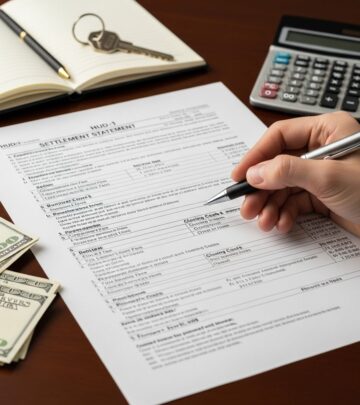
This form emerged from comprehensive banking reforms implemented after the 2008 housing crisis. It replaced two separate federal documents—the Truth-in-Lending statement and the HUD-1 settlement statement—combining them into a single, more transparent disclosure designed specifically to help borrowers understand their loan terms with greater clarity.
The Legal Framework: Your Three-Day Right to Review
Federal law, specifically the TILA-RESPA Integrated Disclosure rule (TRID), which took effect in 2015, mandates that lenders provide your closing disclosure at least three business days before your scheduled closing date. This isn’t merely a suggestion—it’s a legal requirement that exists to protect you.
The three-day window serves a crucial purpose: it gives you adequate time to carefully examine the document, compare it against the loan estimate you received when you initially applied for the mortgage, identify any discrepancies or concerns, and address them with your lender before you’re legally bound by the agreement. During this period, your lender might deliver the disclosure in person, by traditional mail, or electronically through email or their online portal.
The lender must issue a new closing disclosure if certain circumstances change or if corrections are necessary. This means you could potentially receive multiple versions of this document if your situation or terms shift during the final days before closing.
Critical Information Contained in Your Closing Disclosure
The closing disclosure is organized into distinct sections, each providing essential information about different aspects of your transaction:
- Loan Details: Your borrowed amount, interest rate, loan type, and the length of the loan term
- Payment Information: Your monthly payment amount and how it breaks down between principal, interest, taxes, and insurance
- Purchase Price: The agreed-upon purchase price of the property
- Closing Costs: All fees associated with closing, including lender fees, title insurance, appraisal costs, and recording fees
- Prepaid Items: Amounts for property taxes and homeowners insurance that must be paid at closing
- Cash to Close: The exact amount of money you need to bring to the closing table
- Loan Estimate Comparison: A side-by-side comparison showing how final numbers differ from initial estimates
Why Your Closing Disclosure Matters So Much
This document serves multiple critical functions in your homebuying or refinancing journey. First, it provides your final opportunity to verify accuracy before committing financially and legally to the mortgage. Any errors—whether typos, calculation mistakes, or misrepresented terms—should be caught and corrected before you sign.
Second, the closing disclosure ensures transparency and accountability. Lenders are held to the fees they quoted (with limited exceptions), preventing surprise charges that weren’t disclosed earlier. This accountability mechanism protects borrowers from predatory lending practices.
Third, this document eliminates surprises about the total cost of your mortgage. You’ll see not just your monthly payment, but the total amount you’ll pay over the life of the loan, including all interest. This holistic view helps you understand the true cost of borrowing.
Reading and Verifying Your Closing Disclosure
Properly reviewing your closing disclosure requires systematic attention to detail. Begin by comparing each section against your original loan estimate. Look for these key verification points:
- Verify your loan amount matches your expectations
- Confirm the interest rate hasn’t changed (unless circumstances warrant it)
- Check that the loan term is correct
- Review all fee categories to ensure they align with previous estimates
- Verify property address and personal information accuracy
- Confirm the monthly payment calculation
- Review the cash-to-close amount carefully
Pay special attention to any charges that seem higher than your loan estimate. While some fees can legally increase, others—particularly lender-related charges—must stay within specific tolerances. If you notice anything confusing, incorrect, or concerning, don’t hesitate to contact your lender immediately for clarification or correction.
Common Questions About the Closing Disclosure
Does Receiving a Closing Disclosure Mean My Loan Is Approved?
Not necessarily. Receiving a closing disclosure doesn’t guarantee final loan approval. Your lender can still discover new information that causes them to reconsider or withdraw the offer. Additionally, after you sign the closing disclosure, the lender’s underwriting department still needs to formally approve and sign off on the agreement. Only after the lender provides their final signature does the agreement become binding and all terms become officially approved.
What If I Find Errors in My Closing Disclosure?
You have every right to dispute and request corrections for any errors or discrepancies. The three-day review period exists precisely for this purpose. Contact your lender immediately to address any inaccuracies. Most issues can be corrected before closing, though the loan amount and interest rate cannot change unless there are legitimate circumstances justifying the modification.
What Happens After I Sign?
Once you sign your closing disclosure, you’re indicating agreement with the terms and conditions presented. However, the lender’s underwriting team still needs to formally approve the loan. After the lender signs, the terms become binding and the transaction can proceed to the final closing. Following closing and once the lender funds the loan, you’ll receive a final settlement statement. If any costs were overestimated, you may receive a refund for the difference, though the timing varies by state.
Strategic Tips for Closing Disclosure Review
Make the most of your three-day review window with these practical approaches:
- Schedule dedicated time to thoroughly read the entire document without distractions
- Have your loan estimate document readily available for side-by-side comparison
- Use a calculator to verify payment calculations if desired
- Make a list of any questions or concerns before contacting your lender
- Consider consulting with a real estate professional, attorney, or trusted advisor if anything is unclear
- Keep copies of all documents for your records
- Don’t feel pressured to sign before you’re fully satisfied
The Closing Disclosure and Your Financial Protection
The closing disclosure represents a significant consumer protection achievement. Before this document became standardized, borrowers often faced unexpected fees and unclear terms at the closing table—sometimes forcing difficult decisions under time pressure. The modern closing disclosure addresses this vulnerability by ensuring you have adequate time to review everything and seek clarification on any aspect of the transaction.
This protection extends beyond just accuracy verification. It allows you to potentially negotiate changes if you discover discrepancies between the closing disclosure and your original loan estimate. If terms or fees are substantially different than originally quoted, you have the right to discuss modifications with your lender before the transaction becomes final.
Preparing for Your Closing Disclosure Review
To maximize your closing disclosure review process, gather these materials before your three-day window begins:
- Your original loan estimate document
- Your purchase agreement (if applicable)
- Any correspondence from your lender about your loan
- Pre-approval letters and documentation
- Contact information for your lender and loan officer
- Information about any special programs or credits you’re using
Having these materials readily available will help you quickly identify and address any discrepancies if they exist.
Moving Forward After Closing Disclosure Approval
Once you’ve thoroughly reviewed your closing disclosure, verified all information, requested any necessary corrections, and feel confident about the terms, you’re ready to sign. This signature indicates your understanding and acceptance of the loan terms and closing costs. Following your signature, the final closing appointment will complete the transaction process.
The closing disclosure represents one of the most important documents in your homebuying journey. By understanding what it contains, taking full advantage of your three-day review period, and carefully verifying every detail, you protect yourself financially and ensure that your mortgage agreement accurately reflects what you’ve agreed to. Don’t rush this process—this document deserves your careful attention before you make one of the most significant financial commitments of your life.
References
- Closing disclosure explainer — Consumer Financial Protection Bureau. 2024. https://www.consumerfinance.gov/owning-a-home/closing-disclosure/
- What Is A Mortgage Closing Disclosure? — Bankrate. 2024. https://www.bankrate.com/mortgages/closing-disclosure/
- What is a Closing Disclosure? — Peet Law Group. 2024. https://www.peetlaw.com/what-is-a-closing-disclosure
- The Closing Disclosure: A Page-by-Page Breakdown — Veterans United. 2024. https://www.veteransunited.com/education/closing/
- What is the Closing Disclosure? Terms and Timing Explained — Anywhere Real Estate. 2024. https://www.anywhereis.re/blog/what-is-the-closing-disclosure-terms-and-timing-explained_/
Similar Articles








Read full bio of Sneha Tete