Understanding Luxury Estates: The Complete Guide
Discover what truly defines a high-end luxury property and how they differ from ordinary homes.
The concept of a luxury estate carries different meanings across various regions and markets, yet certain universal characteristics define these exceptional properties. Whether you are an aspiring buyer, real estate investor, or simply curious about high-end residential architecture, understanding what constitutes a luxury estate is essential. This comprehensive guide explores the multifaceted definition of luxury properties, examining the criteria that distinguish them from conventional homes.
The Foundation: Defining Luxury Properties in Today’s Market
A luxury estate fundamentally represents more than just a large house; it embodies a lifestyle choice characterized by exceptional quality, sophisticated design, and premium amenities. The term itself carries historical weight, deriving from Latin origins meaning “dwelling” or “habitation,” but modern usage has evolved to signify properties of considerable grandeur and expense. In contemporary real estate, these properties are typically situated on expansive land parcels and feature architectural distinctiveness that sets them apart from standard residential homes.
Geographic location significantly influences how the real estate industry classifies luxury properties. In major metropolitan markets like Los Angeles, where land scarcity drives premium pricing, properties of less than 20,000 square feet may not receive consideration as true luxury estates. Conversely, in regions with more abundant land availability, similar-sized properties might be classified as exceptional luxury residences. This geographic variance reflects broader market conditions and local buyer expectations rather than any universal standard.
Square Footage Requirements: Size as a Primary Indicator
Square footage remains one of the most straightforward ways to initially assess whether a property qualifies as a luxury estate. Real estate professionals typically employ a baseline measurement of 5,000 to 8,000 square feet as the starting point for luxury property classification. Historically, properties exceeding 5,000 square feet were considered mansions, though contemporary standards have shifted upward to accommodate inflation and changing market expectations.
However, relying solely on square footage presents limitations. A property measuring exactly 8,000 square feet with five bedrooms may not automatically qualify as a luxury estate if it lacks the distinctive architectural features, premium finishes, and specialized amenities that characterize true luxury homes. The classification ultimately depends on how the finished square footage compares to typical homes in the surrounding region. Properties that measure three to four times larger than neighboring residences are more likely to receive luxury estate classification regardless of their absolute size.
Room Configuration and Interior Specialization
The quantity and specialization of interior spaces distinguish luxury estates from conventional large homes. Rather than simply providing more square footage, luxury properties feature rooms designed for specific, often leisure-oriented purposes rather than basic residential functions.
Bedroom and Bathroom Distribution
Luxury estates typically include a minimum of five to six themed bedrooms, with many modern examples featuring ten or more. These bedrooms often far exceed standard sizing, with walk-in closets and dressing rooms that rival small apartments in dimension. The bathroom count follows a specific ratio, with quality luxury homes providing at least two bathrooms for every three bedrooms. Contemporary luxury properties frequently incorporate spa facilities, steam rooms, and luxury bathing amenities that extend bathroom functionality beyond basic utility.
Entertainment and Recreation Spaces
What truly elevates a property to luxury estate status is the inclusion of specialized entertainment facilities. These spaces transform homes into self-contained recreational compounds:
- Home theaters with cinema-quality projection systems and seating for multiple guests
- Game rooms featuring billiards, arcade equipment, and other recreational activities
- Indoor swimming pools with spa and sauna facilities
- Bowling alleys and indoor sports courts
- Wine cellars with climate control and extensive storage
- Catering kitchens separate from primary kitchen facilities
- Private gymnasiums equipped with professional-grade fitness equipment
These specialized spaces reflect the lifestyle priorities of affluent homeowners who prefer to entertain guests and pursue recreational activities within their private residence rather than seeking external facilities.
Architectural Expression and Design Excellence
The architectural character of a luxury estate communicates wealth, taste, and cultural sophistication through design choices and construction methodologies. Rather than employing standardized architectural templates, luxury properties typically showcase either carefully researched period styles or innovative contemporary designs executed by renowned architects.
Traditional Architectural Styles
Established architectural traditions dominate luxury estate design, with Victorian, Georgian, French Château, Spanish Revival, and Colonial styles remaining particularly popular. These classical approaches incorporate distinctive elements such as elaborate cornices, high ceilings, expansive windows, and detailed moldings that require skilled craftsmanship to execute properly. The appeal of these traditional styles lies in their ability to evoke timelessness and permanence through proven design principles.
Material Selection and Construction Quality
Construction materials used in luxury estates represent a significant investment that directly impacts both aesthetic appearance and long-term durability. Premium materials include natural stone varieties such as marble, granite, limestone, and slate, along with exotic hardwoods including teak, ebony, ash, and oak. These materials contrast sharply with builder-grade finishes found in standard construction, which typically employs cost-effective alternatives like vinyl flooring and mass-produced fixtures.
Interior finishes in luxury properties extend beyond functional necessity into the realm of artistic expression. Hand-applied finishes, custom wallpapers, built-in furniture, and meticulously detailed moldings represent significant additional expenses that standard home construction avoids. These material choices accumulate to create environments of demonstrable luxury that reflect substantial financial investment.
Amenities That Define Modern Luxury Living
Outdoor Recreation Facilities
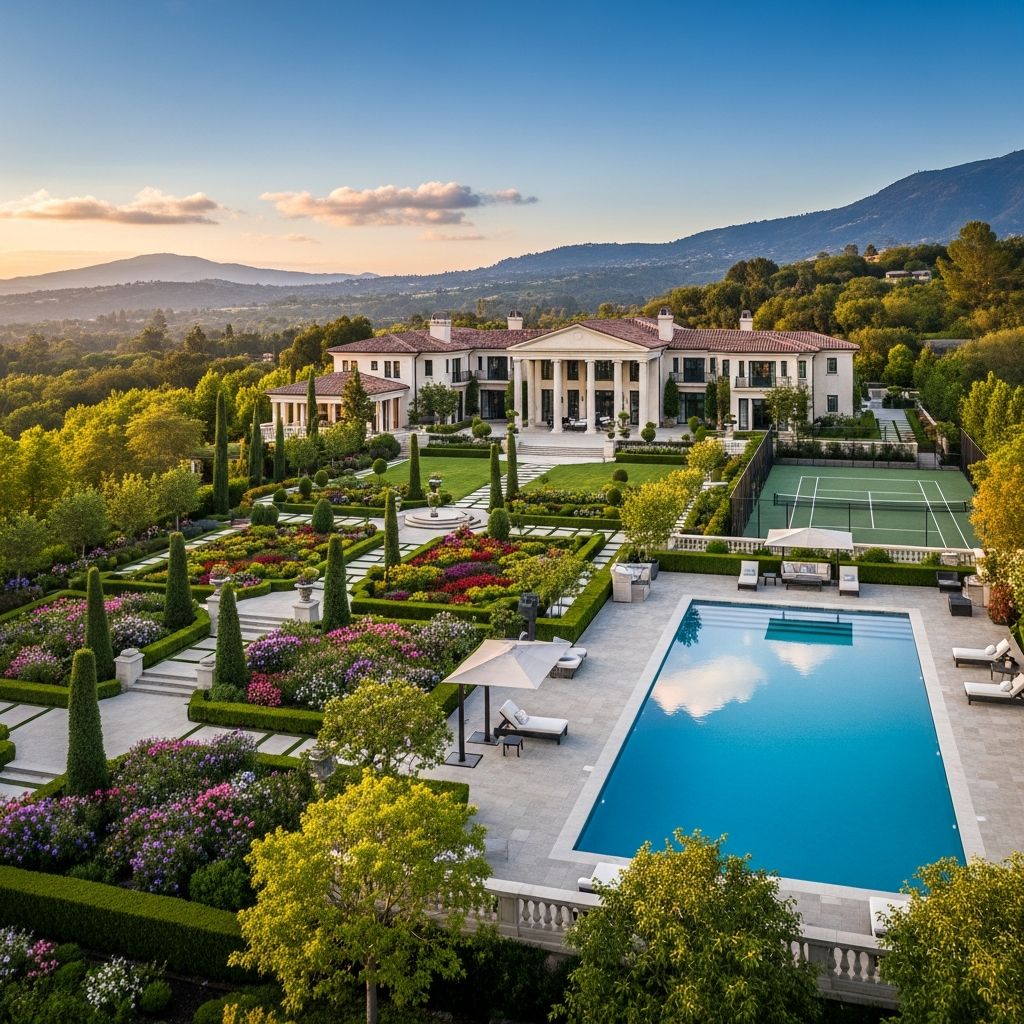
Luxury estates characteristically include elaborate outdoor amenities that extend the living experience beyond interior walls. These outdoor features typically comprise:
- Large swimming pools with infinity edges or designer features
- Professional-grade tennis courts and basketball facilities
- Meticulously landscaped gardens and formal grounds
- Greenhouses for cultivation of specialized plants
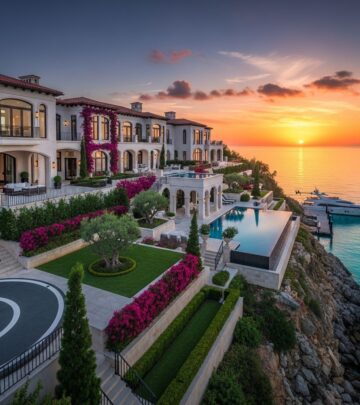
- Waterfront access or views of scenic natural features
- Hiking trails and nature preserves on the property
These outdoor spaces transform the surrounding land into an integrated extension of the home environment, creating opportunities for entertainment, recreation, and enjoyment of natural surroundings without leaving the property.
Secondary Structures and Support Buildings
True luxury estates often encompass multiple structures in addition to the primary residence. Guest houses provide accommodations for visitors without requiring them to stay within the main residence. Pool houses offer changing facilities and additional entertainment space adjacent to aquatic amenities. Carriage houses, originally built to house carriages and horses, now serve various purposes from vehicle storage to art studios or home offices.
Smart Home Technology Integration
Contemporary luxury estates increasingly incorporate advanced smart home systems that manage climate control, security, entertainment, and energy management through integrated digital platforms. These technological upgrades enhance convenience and operational efficiency while adding measurable value to the property.
Landscaping and Ground Conditions
The land surrounding a luxury estate receives attention and investment equal to the structures themselves. Professional landscaping creates aesthetically sophisticated outdoor environments that enhance property value and provide stunning visual appeal. Manicured gardens, decorative water features including reflection pools and fountains, and strategically placed vegetation establish the grandeur that characterizes luxury properties.
The size of the land parcel directly influences the property’s classification as a luxury estate. Properties situated on small lots, regardless of their size or amenities, may not achieve true luxury estate status because they lack the expansive grounds that are characteristic of these properties. The presence of adequate land allows for the integration of diverse recreational facilities, private garden spaces, and architectural features that comprehensive luxury requires.
Distinguishing True Luxury from McMansion Properties
An important category distinction exists between authentic luxury estates and “McMansion” properties, which comprise large homes built by developers for mass production rather than custom construction. While McMansions may superficially resemble luxury estates through large square footage and impressive entry features, they lack the distinctive characteristics that define true luxury properties.
McMansions typically appear as variations of neighboring homes rather than unique architectural expressions. They are constructed on smaller land parcels that cannot accommodate the diverse amenities and landscaping features of true luxury estates. Additionally, their features frequently appear mismatched to the surrounding context, with grand entryways and multi-car garages that seem disproportionate to the property’s overall size and surrounding area. In contrast, authentic luxury estates demonstrate architectural coherence, situated on generous land parcels that provide space for specialized amenities and distinctive landscaping.
Regional Variations in Luxury Estate Characteristics
Specific geographic regions exhibit distinctive preferences in luxury estate design and amenities that reflect local climate, available resources, and cultural traditions. In the Tampa region, for example, luxury estates typically feature prominent swimming pools and tennis courts, often with waterfront positioning that capitalizes on the region’s coastal location. Coastal properties throughout the United States frequently emphasize water access, reflecting the premium value placed on oceanfront or lakefront positioning.
Architectural styles also vary by region, with Spanish Revival properties dominating West Coast luxury markets while Colonial style mansions remain prevalent in Eastern states. These regional preferences develop over time as local building traditions establish themselves and buyer expectations become shaped by predominant examples of successful luxury homes.
Market Insights and Investment Considerations
Understanding luxury estate characteristics carries practical importance for prospective buyers, real estate investors, and those interested in property valuation. Properties meeting the previously discussed criteria command premium prices reflecting their exceptional features, extensive amenities, and prestigious positioning. The investment value of such properties extends beyond mere square footage to encompass the specialized facilities, architectural distinction, and prime locations that contribute to their market appeal.
For potential buyers, recognizing these distinguishing characteristics enables informed evaluation of whether a specific property justifies its pricing through authentic luxury features or merely represents a large standard home at premium prices. The presence or absence of specialized amenities, quality material finishes, and distinctive architectural expression should factor heavily into purchasing decisions and value assessments.
Conclusion: The Complete Picture of Luxury Estates
Luxury estates represent a comprehensive category of residential properties distinguished by multiple interconnected characteristics rather than any single defining factor. While square footage provides an initial classification baseline, true luxury properties demonstrate their exceptional status through specialized amenities, premium material finishes, distinctive architectural design, and expansive grounds that distinguish them fundamentally from standard residential homes. Understanding these elements enables appreciation for what truly constitutes a luxury estate in today’s sophisticated real estate market.
References
- What Makes A House A Mansion? Defining Mansions — Eaton Realty. 2024. https://www.eatonrealty.com/blog/buying/what-makes-house-mansion
- What Qualifies As A Mansion And How Big Should It Be? — Forbes Global Properties. 2024. https://www.forbesglobalproperties.com/insights/what-qualifies-as-a-mansion-and-how-big-should-it-be
- Mansion vs Estate: Features of Luxury Properties — Windermere. 2024. https://www.windermere.com/blog/mansion-vs-estate-features-of-luxury-properties
- What Is a Mansion? Does Your Neighbor’s House Qualify? — eXp Realty. 2024. https://www.exprealty.com/guides/what-is-a-mansion-does-your-neighbors-house-qualify
- Mansion – Wikipedia — Wikimedia Foundation. 2024. https://en.wikipedia.org/wiki/Mansion
- What Is a Mansion? The Luxury Home Next Door Might Not Qualify — Realtor.com. 2024. https://www.realtor.com/advice/buy/what-is-a-mansion/
- What Is a Mansion? Definition & Buyer’s Guide — Chase Bank. 2024. https://www.chase.com/personal/mortgage/education/finding-a-home/what-is-a-mansion
Similar Articles








Read full bio of medha deb