Understanding Loan Options: A Complete Guide
Explore different loan types and find the right borrowing solution for your needs.

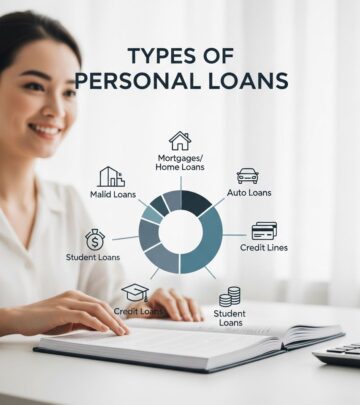
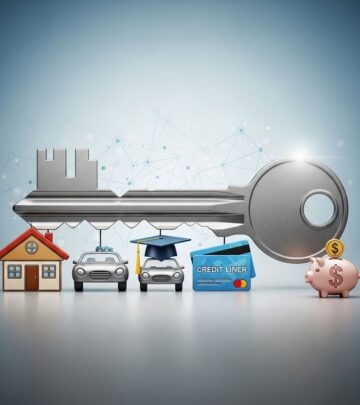
When you need to borrow money, the lending landscape offers numerous pathways tailored to different financial situations and objectives. Whether you’re facing an unexpected expense, planning a major purchase, or seeking to simplify existing debt, understanding the various loan structures available empowers you to make decisions aligned with your circumstances. This comprehensive guide explores the primary categories of loans and their distinct characteristics.
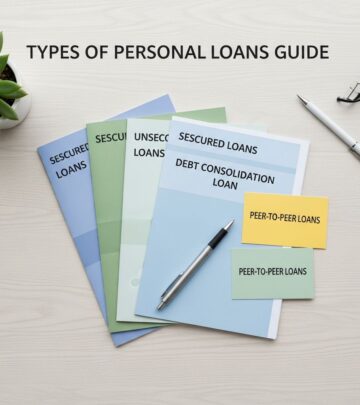
The Foundation: Secured vs. Unsecured Loans
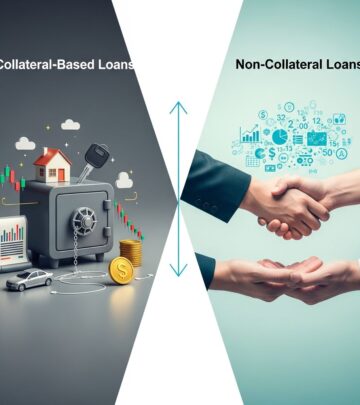
At the most fundamental level, loans divide into two primary categories based on whether collateral is required. This distinction significantly impacts your interest rates, approval likelihood, and overall borrowing experience.
Secured Loans: Backed by Assets
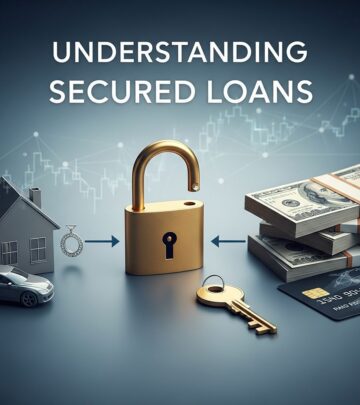
Secured personal loans require you to pledge a valuable asset as collateral, such as a savings account, certificate of deposit, investment portfolio, or vehicle. This collateral serves as insurance for the lender, reducing their financial exposure if you default on the loan. Because lenders face diminished risk, they typically offer lower interest rates and have more lenient approval standards compared to unsecured alternatives. Financial institutions including banks, credit unions, and a limited selection of online lenders provide secured loan products.
The primary disadvantage centers on the risk to your assets. If you fail to repay according to the agreed terms, the lender can claim ownership of your pledged collateral, potentially leaving you without critical financial resources.
Unsecured Loans: Freedom Without Collateral
Unsecured personal loans do not require collateral, meaning you maintain full ownership and control of your assets throughout the loan term. This loan type has become increasingly common among lenders, particularly online platforms. The accessibility and simplicity appeal to many borrowers who lack significant assets or prefer not to risk their possessions.
The trade-off for this flexibility appears in the interest rates. Without collateral protection, lenders charge higher APRs to compensate for increased default risk. Additionally, approval requirements typically prove more stringent, with lenders scrutinizing credit scores and income documentation more carefully.
Interest Rate Structures: Predictability vs. Flexibility
Beyond collateral status, loans differ substantially in how interest rates operate throughout the repayment period. This choice directly affects your monthly payments and long-term borrowing costs.
Fixed-Rate Loans: Stability and Predictability
The overwhelming majority of personal loans feature fixed interest rates, where your APR remains constant throughout the entire loan term. This means your monthly payment amount never changes, making budgeting straightforward and predictable. Fixed-rate loans appeal to borrowers who secure competitive interest rates and value payment consistency.
This stability proves particularly valuable for those with tight budgets who need to plan expenses months or years in advance. You’ll never face unpleasant surprises when your next payment arrives.
Variable-Rate Loans: Potential Savings with Risk
Variable-rate loans feature interest rates that fluctuate based on market conditions, meaning your monthly payment obligations can increase or decrease over time. These loans often begin with lower initial APRs compared to fixed-rate alternatives, potentially providing short-term savings.
However, variable rates introduce uncertainty into your financial planning. Should market rates increase, your monthly payments could rise significantly, potentially straining your budget. This loan structure best suits borrowers with short repayment timelines who plan aggressive payoff strategies before rate increases could substantially impact their costs. Variable-rate loans demand careful consideration and financial discipline.
Purpose-Specific Loan Categories
Beyond fundamental structure and rate considerations, lenders offer specialized loan products designed for particular financial objectives. These targeted products often feature terms and conditions optimized for specific uses.
Debt Consolidation Loans
If you’re managing multiple high-interest debts—particularly credit card balances—a debt consolidation loan can transform your financial situation. This loan type combines multiple obligations into a single monthly payment, typically at a lower overall interest rate. Rather than juggling several creditors with varying due dates and rates, consolidation simplifies your payment obligations and can substantially reduce total interest paid.
Some debt consolidation loans directly pay off your existing debts using the loan proceeds, immediately ending multiple creditor relationships. This approach prevents the temptation to accumulate new debt on the newly-empty credit cards. However, consolidation sometimes extends your repayment timeline, meaning you might pay interest longer despite the reduced rate.
Credit-Building Loans
For individuals seeking to establish or rebuild credit history, credit-building loans offer a strategic pathway. These specialized products help demonstrate responsible borrowing behavior to credit reporting agencies, gradually improving your credit profile. While interest rates on credit-building loans tend to be higher than conventional options, the investment in credit improvement can pay dividends through access to better rates on future borrowing.
Medical and Healthcare Loans
Medical loans specifically address unexpected healthcare expenses, surgery costs, or treatment programs not fully covered by insurance. These specialized products provide funds specifically for health-related purposes. However, approval typically requires a solid credit score, and lenders may verify that funds are used for legitimate medical expenses.
Home Improvement Loans
Home improvement loans finance renovation projects, repairs, or upgrades to residential properties. The advantage lies in investing in improvements that increase your home’s market value, making the loan essentially an investment in your asset. Some home improvement loans may be secured by your home equity, typically resulting in lower rates than unsecured alternatives.
Wedding and Special Event Loans
For major life celebrations, wedding and vacation loans provide financing without depleting savings accounts. These allow you to fund significant experiences or celebrations while preserving emergency funds and investment accounts. Interest rates may be higher if your credit isn’t excellent, so comparing offers from multiple lenders proves worthwhile.
Loan Structure: Installment Payment Foundations
The vast majority of personal loans function as installment loans, meaning you receive a lump sum upfront and repay it through fixed monthly installments over a predetermined period. This structure contrasts with credit cards, which offer flexible monthly payment options but encourage ongoing debt accumulation.
Installment loan payments prove easier to budget than credit card payments, which fluctuate based on monthly balances and spending patterns. You know precisely what amount is due each month, simplifying financial planning across months and years.
Comparing Loan Options: Key Advantages and Disadvantages
| Loan Type | Primary Advantages | Notable Disadvantages |
|---|---|---|
| Secured Loans | Lower interest rates, easier approval, more lenient qualification standards | Risk of losing pledged collateral, requires valuable assets |
| Unsecured Loans | No collateral required, asset protection, greater accessibility | Higher interest rates, stricter qualification requirements, lower approved amounts |
| Fixed-Rate Loans | Predictable payments, budgeting simplicity, no surprise increases | May start higher than variable rates, cannot benefit if rates decline |
| Variable-Rate Loans | Lower initial rates, potential savings for short-term borrowers | Payment uncertainty, budgeting challenges, risk of payment increases |
| Debt Consolidation | Simplified payments, typically lower rates, reduced interest overall | Potentially extended repayment period, temptation to re-accumulate debt |
| Credit-Building Loans | Establishes credit history, improves credit scores, builds financial profile | Higher interest rates, limited loan amounts, lengthy approval process |
Practical Considerations for Loan Selection
Selecting the appropriate loan requires evaluating several factors beyond interest rates and loan types:
- Loan Amount: Determine the precise funds needed. Some lenders offer amounts from $500 to $50,000 or higher, while others have minimum thresholds.
- Repayment Timeline: Consider how quickly you can repay. Terms range from six months to seven years or more depending on the lender and loan type.
- Credit Score Impact: Understand that applications typically involve a hard credit inquiry, though many lenders allow rate checking without affecting your credit score.
- Fee Structure: Investigate origination fees, prepayment penalties, late fees, and processing charges that impact your true borrowing cost.
- Funding Speed: If you need immediate funds, some lenders offer same-day or next-business-day funding.
- Lender Type: Banks, credit unions, and online platforms each offer different advantages, approval standards, and customer service approaches.
Understanding Total Borrowing Costs
When comparing loans, looking beyond interest rates to calculate total costs proves essential. A loan with a slightly higher APR but shorter term might cost less overall than a lower-rate loan with extended repayment. Additionally, origination fees, typically ranging from zero to nearly ten percent, significantly impact your effective borrowing cost.
Use loan calculators to project total amounts paid across different scenarios. This analysis clarifies whether paying a higher rate with faster repayment makes more financial sense than accepting a lower rate with extended payments.
Frequently Asked Questions
What’s the difference between a personal loan and a credit card?
Personal loans provide a lump sum with fixed repayment schedules, while credit cards offer revolving credit with flexible monthly payments. Personal loans typically feature lower interest rates for qualified borrowers and create more structured repayment accountability.
Can I get approved for a loan with poor credit?
Yes, options exist including secured loans backed by collateral, credit-building loans designed for credit improvement, and some specialized lenders offering programs for fair or poor credit applicants. However, expect higher interest rates reflecting increased risk.
What should I avoid when borrowing?
Avoid borrowing more than you can reasonably repay, ignore hidden fees and terms, take predatory lending offers with unreasonable rates, use loans for speculative investments, or fail to compare multiple lender options before committing.
Is a fixed or variable rate better?
Fixed rates suit most borrowers valuing payment predictability and long-term budgeting stability. Variable rates work only for those with short repayment timelines and financial discipline to aggressively pay down balances before rates increase.
How quickly can I access loan funds?
Many online lenders offer same-day or next-business-day funding upon approval. Traditional banks and credit unions typically require several business days. Your timeline needs should factor into lender selection.
Making Your Decision
Choosing the right loan requires honest assessment of your financial situation, borrowing needs, and repayment capacity. Start by clearly defining why you need to borrow and how much you actually require. Then evaluate secured versus unsecured options based on your asset availability and risk tolerance. Compare fixed versus variable rates against your timeline and comfort with payment fluctuation. Finally, shop multiple lenders to ensure competitive terms.
The loan landscape offers genuine flexibility for different financial circumstances. By understanding these distinct options and their respective advantages and limitations, you can select a borrowing solution that genuinely serves your financial objectives while minimizing unnecessary costs and risk.
References
- 8 types of personal loans and their uses — plus 5 to avoid — Bankrate. 2026. https://www.bankrate.com/loans/personal-loans/types-of-personal-loans/
- Best Personal Loans for 2026: Check Rates & Apply Online — Experian. 2026. https://www.experian.com/loans/personal/
- 10 Types of Personal Loans — MoneyLion. 2026. https://www.moneylion.com/learn/types-of-personal-loans
- Best Personal Loans of April 2026 — NerdWallet. 2026. https://www.nerdwallet.com/personal-loans
- Comparing Different Types Of Personal Loans — Heritage FCU. 2026. https://heritagefcu.com/comparing-different-types-of-personal-loans/
- Personal Loan Rates: Best Lenders of March 2026 — Credible. 2026. https://www.credible.com/personal-loan
- Understanding the Different Types of Personal Loans Available — Greater Alliance. 2026. https://www.greateralliance.org/understanding-the-different-types-of-personal-loans-available/
Similar Articles








Read full bio of Sneha Tete