Understanding Individual Retirement Accounts
Learn how IRAs can help you build wealth for retirement with tax advantages and investment flexibility.

Planning for retirement is one of the most important financial decisions you’ll make in your lifetime. While employer-sponsored plans like 401(k)s are valuable, many people overlook a powerful tool for supplementing their retirement savings: the Individual Retirement Account, commonly known as an IRA. Whether you’re self-employed, work for a company without a retirement plan, or simply want additional retirement savings vehicles, understanding how IRAs work is essential to maximizing your financial security in your later years.
What Exactly Is an Individual Retirement Account?
An Individual Retirement Account is a tax-advantaged investment account that you set up and manage independently, without employer involvement. Unlike employer-sponsored retirement plans, you have complete control over opening, funding, and directing your IRA. This self-directed nature makes IRAs particularly appealing to individuals who want autonomy in their retirement planning or those who don’t have access to workplace retirement benefits.
The fundamental purpose of an IRA is straightforward: it allows you to set aside money specifically for retirement while receiving favorable tax treatment. This tax advantage is the cornerstone of IRAs’ appeal, as it enables your money to grow more rapidly than it would in a standard taxable investment or savings account.
IRAs function as a complement to other retirement savings strategies. Many people with access to employer retirement plans, such as 401(k)s or 403(b)s, simultaneously contribute to IRAs to maximize their retirement accumulation and benefit from additional flexibility in their overall investment portfolio.
The Tax Advantage: The Primary Benefit of IRAs
The most compelling reason people establish IRAs is the tax treatment they receive. Depending on which type of IRA you choose, your money can grow either tax-deferred or completely tax-free, a feature that dramatically accelerates wealth accumulation over time.
This tax advantage translates into real financial benefits. When your investments earn returns—whether through interest, dividends, or capital gains—those earnings typically wouldn’t be taxed annually within an IRA. This means more of your money stays invested and continues to generate additional returns, a process known as compounding. Over decades of retirement savings, this compounding effect can substantially increase your retirement nest egg compared to saving in regular taxable accounts.
Beyond growth, the tax benefits extend to contribution deductions and withdrawal treatment, though these benefits vary significantly by IRA type. Understanding which type aligns with your current tax situation and projected retirement tax bracket is crucial to maximizing these advantages.
Three Primary IRA Types for Different Savers
The IRA landscape includes several options, each designed for different circumstances and financial situations. Understanding the distinctions will help you select the most appropriate account for your retirement goals.
Traditional IRA: Tax Deductions Now, Taxes Later
A Traditional IRA appeals to individuals who expect to be in a lower tax bracket during retirement than they currently are. Here’s how it functions: contributions you make to a Traditional IRA may be tax-deductible, meaning they reduce your taxable income in the year you make them. This immediate tax deduction can lower your current tax bill while simultaneously building retirement savings.
The growth within a Traditional IRA is tax-deferred, meaning you don’t pay taxes on investment earnings, interest, or capital gains each year. Instead, taxes are postponed until you withdraw money in retirement. The theory behind this structure is that your retirement income will be lower, placing you in a lower tax bracket, so you’ll pay less in taxes overall.
Traditional IRAs also offer penalty-free withdrawal options for specific circumstances, such as medical expenses, college tuition, or first-time homebuyer expenses, providing some flexibility if you need funds before traditional retirement age.
Roth IRA: Tax-Free Growth and Withdrawals
A Roth IRA takes the opposite approach from a Traditional IRA. With a Roth, you contribute after-tax dollars, meaning your contributions don’t reduce your current taxable income. However, this upfront tax payment unlocks a significant advantage: all growth within the Roth IRA is completely tax-free, and withdrawals in retirement (when certain conditions are met) are entirely tax-exempt.
This structure makes Roth IRAs particularly attractive for individuals who anticipate being in a higher tax bracket during retirement or for younger savers with decades of growth ahead. Because the growth is never taxed, the longer your money remains invested, the more substantial the tax-free benefit becomes.
Roth IRAs offer additional flexibility compared to Traditional IRAs, as you can withdraw your contributions (not earnings) at any time without penalties, providing easier access to your money if circumstances change.
Specialized IRAs for Self-Employed Individuals and Businesses
For self-employed individuals, freelancers, and small business owners, specialized IRA options exist. These accounts allow entrepreneurs to save significantly more than standard IRAs permit, making them powerful tools for self-directed retirement planning. While the search results reference these options, consulting with a tax professional is advisable when exploring these specialized accounts, as their rules and contribution limits differ substantially from standard IRAs.
Beyond Tax Benefits: Additional Reasons to Consider an IRA
While tax advantages form the foundation of IRA appeal, several other compelling reasons support opening and maintaining these accounts:
Investment Flexibility and Control
IRAs provide significantly more investment options than most employer-sponsored retirement plans. Within an IRA, you can typically choose from stocks, bonds, mutual funds, exchange-traded funds (ETFs), certificates of deposit (CDs), and other investment vehicles. This breadth of choices enables you to construct a portfolio that precisely matches your risk tolerance, investment timeline, and retirement objectives.
You maintain direct control over these investment decisions, removing the limitations imposed by employer retirement plans, which typically restrict choices to a predetermined menu of options. If you discover a financial institution offering more competitive features or lower fees, you can move your IRA elsewhere without the complications often associated with changing employer plans.
Accessibility for Diverse Savers
IRAs are accessible to most people with earned income. Whether you earn income from employment, self-employment, or other sources, you can establish an IRA. You can begin contributing with modest amounts and increase contributions as your financial situation improves, making IRAs suitable for savers at virtually any income level.
Legal Protection and Security
Funds held within an IRA receive legal protection from creditors in the event of bankruptcy, providing an important safeguard for your retirement savings. This creditor protection means your retirement nest egg remains secure even if you face serious financial difficulties.
Supplement or Primary Retirement Vehicle
Depending on your employment situation, an IRA can serve different roles. For employees with access to employer retirement plans, an IRA provides an additional savings vehicle to accelerate wealth accumulation. For self-employed individuals and small business owners, IRAs can serve as the primary retirement savings mechanism.
Contribution Limits and Annual Restrictions
Understanding contribution limits is essential for maximum retirement planning efficiency. The Internal Revenue Service (IRS) sets annual contribution limits for IRAs, which have been adjusted for inflation and periodically increase. These limits apply across all your IRA accounts combined, so if you maintain multiple IRAs, your total contributions cannot exceed the annual limit.
Contribution limits are typically lower for younger savers, with additional catch-up contributions permitted for individuals age 50 and older. These catch-up contributions recognize that older workers may have less time to save but want to accelerate their retirement accumulation.
For comparison, employer-sponsored 401(k)s generally offer substantially higher annual contribution limits than IRAs, making them useful complementary retirement savings vehicles for those with access to them.
Choosing Between IRA Types: A Decision Framework
Selecting the appropriate IRA type requires honest assessment of your current financial situation and retirement expectations:
- Choose a Traditional IRA if: You expect to be in a lower tax bracket during retirement, want immediate tax deductions to reduce current tax liability, or prefer deferring taxes to retirement years.
- Choose a Roth IRA if: You anticipate higher income during retirement, have many years until retirement (enabling maximum tax-free growth), or prefer the flexibility of tax-free withdrawals and contribution access.
- Consider specialized options if: You’re self-employed or own a business and want to save substantially more than standard IRA limits permit.
The decision ultimately depends on your tax situation, income trajectory, and retirement income expectations. Many savers benefit from discussing options with a qualified financial professional or tax advisor who understands your complete financial picture.
How IRAs Compare to Other Retirement Accounts
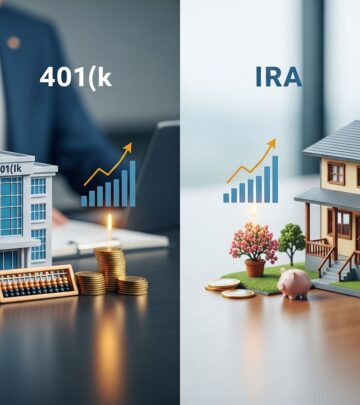
| Feature | IRA | 401(k) |
|---|---|---|
| Who Opens It | Individual | Employer |
| Annual Contribution Limit | Lower ($6,000-$7,000 typical) | Higher ($20,000-$23,000 typical) |
| Investment Choices | Broad range | Limited employer-selected options |
| Employer Match | Not available | Often available |
| Flexibility | High portability | Tied to employment |
Starting Your IRA Journey: Practical Considerations
Opening an IRA is straightforward. Most banks and investment firms offer IRA accounts with minimal barriers to entry. The process typically involves selecting your account type (Traditional or Roth), choosing your financial institution, completing account paperwork, and making your initial contribution.
You can establish an IRA at virtually any financial institution—banks, credit unions, brokerage firms, and investment companies all offer these accounts. The financial institution you choose will provide access to their available investment options, so comparing providers helps ensure access to investments aligned with your strategy.
Beginning early is advantageous. Even modest contributions made over decades, benefiting from tax-advantaged compounding, can grow into substantial retirement assets. The earlier you start, the more time your money has to work for you.
Frequently Asked Questions About IRAs
Can I have both a Traditional and Roth IRA?
Yes, you can maintain both account types simultaneously. However, your total contributions across all IRAs cannot exceed the annual IRS limit.
What happens to my IRA if I change jobs?
Unlike 401(k)s, which are tied to your employer, IRAs remain yours regardless of employment changes. You can maintain your IRA with the same financial institution throughout your career.
Are there income limits for IRA contributions?
Traditional IRA contributions are always allowed, but the deductibility of contributions may be limited at higher income levels if you have access to an employer retirement plan. Roth IRAs have income limits that may prevent contributions if your income exceeds certain thresholds.
Can I withdraw money before retirement?
Traditional IRAs typically impose a 10% penalty for withdrawals before age 59½, though certain exceptions exist for medical expenses, education costs, and first-time homebuyer purchases. Roth IRAs allow penalty-free withdrawal of contributions (not earnings) at any time.
What is a rollover IRA?
When you change jobs, you can roll over funds from your employer 401(k) into an IRA, preserving tax advantages and gaining greater investment flexibility.
Maximizing Your IRA Strategy
To fully leverage your IRA for retirement success, consider these strategies: contribute consistently and regularly, choosing amounts you can sustain throughout your working years; diversify your investments appropriately for your age and risk tolerance; periodically review and rebalance your portfolio; and coordinate your IRA strategy with other retirement savings vehicles and your overall financial plan.
An IRA represents one of the most powerful tools available for individual retirement planning. By understanding how these accounts work and selecting the type that aligns with your circumstances, you can significantly enhance your retirement readiness and financial security in your later years.
References
- Individual Retirement Accounts (IRAs): Types & Advantages — Guardian Life. https://www.guardianlife.com/ira
- The Benefits of Saving with an IRA Account — America’s Credit Union. https://www.youracu.org/the-benefits-of-saving-with-an-ira-account/
- Individual Retirement Account (IRA) — Wex Legal Dictionary, Cornell Law School. https://www.law.cornell.edu/wex/individual_retirement_account_(ira)
- What is an IRA? Individual Retirement Account — Citizens Bank. https://www.citizensbank.com/learning/what-is-an-ira.aspx
- Individual Retirement Accounts (IRAs) — Charles Schwab. https://www.schwab.com/ira
- What is an IRA? Roth, Traditional and SEP — U.S. Bank Retirement Planning. https://www.usbank.com/retirement-planning/open-an-ira/what-is-an-ira.html
Similar Articles








Read full bio of Sneha Tete