Understanding Home Appraisals in Real Estate
Complete guide to property valuations and what appraisals mean for homebuyers

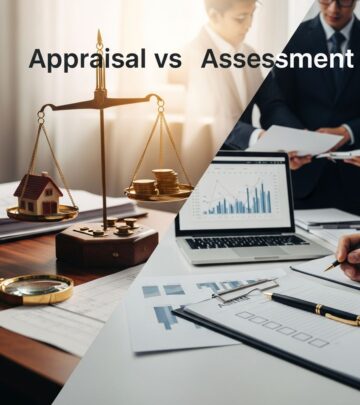
When you embark on the journey of purchasing a property, one of the most critical steps in the mortgage approval process is the home appraisal. An appraisal serves as an independent, professional assessment that determines the fair market value of a residential property. Unlike a home inspection, which evaluates the physical condition and identifies potential maintenance issues, an appraisal focuses specifically on establishing what a property is worth in the current market. This valuation becomes essential for lenders who need assurance that the loan amount aligns with the actual value of the property being financed.
What Is a Home Appraisal and Why Does It Matter?
A home appraisal is fundamentally an opinion of a property’s market value delivered by a licensed professional appraiser. This assessment protects the financial interests of the lending institution by ensuring that the mortgage amount does not exceed the property’s actual worth. When you secure financing through a mortgage lender, the institution assumes a significant financial risk. The appraisal helps mitigate that risk by establishing an objective baseline value against which the loan-to-value ratio can be calculated.
Beyond protecting lenders, appraisals serve several important functions in real estate transactions. They can influence the interest rate you receive on your mortgage, affect the required down payment amount, and help determine your overall loan eligibility. For sellers, understanding appraisals can inform their pricing strategies and help them recognize whether their asking price aligns with market realities. Buyers benefit from appraisals by gaining confidence that they are not overpaying for their property relative to comparable homes in the area.
The Financial Component: Who Pays and How Much Does It Cost?
The responsibility for paying appraisal fees typically falls on the borrower, though this can sometimes be negotiated as part of the overall transaction. The appraisal fee is included in your closing disclosure document, which you will receive three days before your closing date. Appraisal costs generally range from $300 to $450, though this figure can fluctuate based on several determining factors.
Several variables influence the final cost of an appraisal:
- Property size and complexity: Larger homes or properties with unusual characteristics require more time and expertise to evaluate accurately
- Geographic location: Rural properties often cost more to appraise because fewer comparable sales exist in the immediate area, making valuation more challenging
- Property condition: Homes requiring extensive research or additional analysis due to their condition or unique features may incur higher fees
- Age and style: Older homes or architecturally distinctive properties may require specialized knowledge
- Market conditions: In competitive or volatile markets, appraisals may take longer and cost more
Understanding the Appraisal Process Timeline
The appraisal process unfolds in distinct phases, each with its own timeline. When you make an offer on a home and your offer is accepted, your lender will order the appraisal shortly after you sign the purchase agreement. For those refinancing an existing mortgage, the lender typically orders the appraisal after you submit your loan application.
Once ordered, an Appraisal Management Company (AMC) is responsible for assigning a qualified appraiser to your property. This intermediary ensures that the appraiser conducting the assessment operates independently without pressure from the lender, buyer, or seller. The assigned appraiser typically schedules the property visit within 48 hours of receiving the assignment.
The actual on-site inspection may take anywhere from a few hours to several hours, depending on the property’s size and complexity. However, the complete appraisal process—from ordering through report delivery—can span anywhere from a few days to several weeks. After the appraiser completes their research and analysis, they generally need one to two weeks to prepare and deliver the written appraisal report.
Inside the Appraisal Inspection: What Happens During the Visit
During the appraisal inspection, the appraiser conducts a thorough visual examination of both the home’s interior and exterior. They walk through all accessible areas, noting the number of rooms, overall condition, and any significant upgrades or renovations that may have occurred since the last property transaction. The appraiser documents findings through detailed photographs, capturing the front and rear exterior of the home, street views, and interior spaces.
The appraiser’s inspection is systematic and comprehensive. They evaluate structural integrity to ensure there are no safety concerns, examine the foundation and roof, assess the condition of mechanical systems, and note any visible signs of damage or deterioration. They also measure square footage, verify the room count, and document special features like pools, fireplaces, or built-in appliances that might influence value.
Importantly, appraisers cannot discuss the home’s estimated value with you during the inspection itself. This independence is crucial to maintaining the objectivity of the assessment. While you or your real estate agent may be present to answer questions or provide access to all areas of the property, the appraiser works independently and will not share preliminary conclusions.
Valuation Methods: How Appraisers Determine Property Worth
After completing the physical inspection, appraisers employ specific methodologies to arrive at their value conclusion. The most common approach is the sales comparison approach, which analyzes recently sold comparable properties in the surrounding area. The appraiser researches homes with similar characteristics—such as square footage, lot size, age, condition, and location—that have sold within a relevant timeframe. These comparable sales, often called “comps,” provide the primary basis for valuation in most residential appraisals.
The appraiser then makes adjustments to the comparable properties to account for differences between them and the subject property. If a comp has an extra bedroom, the appraiser might reduce its comparable value. If the subject property has a recently updated kitchen while the comp does not, an adjustment increases the comp’s adjusted value. These net adjustments help establish a defensible value range for the property being appraised.
A secondary valuation method, the cost approach, estimates what it would cost to rebuild the home today, including both construction costs and the land value. While less commonly used as the primary valuation method for residential properties, this approach provides a useful check on the sales comparison result, particularly for newer homes or unique properties where few comparable sales exist.
The Appraisal Report: What You’ll Receive and Review
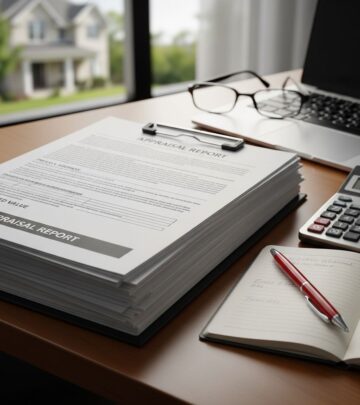
Once the appraiser completes their analysis, they prepare a formal appraisal report, typically using the Uniform Residential Appraisal Report (URAR) form. This comprehensive document includes far more than just a final value number. The report contains a street map showing the property’s location, an exterior building sketch, an explanation of how square footage was calculated, and photographs documenting the home’s front, back, and street views. It also includes front exterior photos of comparable properties used in the analysis and interior photographs of all rooms in the subject property.
As the borrower, you are entitled to receive a free copy of the appraisal report before your loan closes. When you receive it, examine the report carefully to verify that all information about your property is accurate. Check that the square footage matches your understanding, that the room count is correct, and that no significant features have been overlooked or misrepresented. Ensure that comparable properties listed are truly comparable and that adjustments made by the appraiser appear reasonable. This review period is your opportunity to identify and address any errors or omissions.
When Appraisals Come in Lower Than Expected
In some situations, the appraised value comes in lower than the purchase price or your expectations. This scenario is not uncommon in competitive markets where purchase prices may exceed recent comparable sales data. If you receive a lower appraisal, several options may be available to you.
First, you can request a reconsideration of value from the appraiser if you believe there are legitimate errors in their analysis. This might involve providing documentation of recent upgrades, offering evidence of comparable sales the appraiser may have missed, or correcting factual errors about the property. However, the appraiser is not obligated to change their opinion simply because you disagree with it.
Second, you may negotiate with the seller to lower the purchase price to align with the appraised value. Many real estate transactions include appraisal contingencies that allow buyers to renegotiate or withdraw if the appraisal comes in significantly below the agreed price.
Third, some lenders may permit you to obtain a second appraisal, though this comes at additional cost and the lender will likely use the lower of the two values. Finally, you might increase your down payment to compensate for the lower appraised value if your lender permits this approach.
Alternative Appraisal Methods: Drive-By and Technology Solutions
In recent years, some lenders have begun using alternative appraisal methods for qualifying borrowers. A drive-by appraisal involves the appraiser examining only the property’s exterior and relying on available real estate records and public data to determine value. This method is faster and less expensive than traditional appraisals but provides less detailed information about the property’s condition. Drive-by appraisals are typically used only for refinances on properties the lender already holds or when the property’s condition is not a significant factor in the lending decision.
Technology is also changing how appraisals function in some cases. Appraisers increasingly use public records, floor plans, comparable property data, and market analysis tools to supplement or enhance their traditional methods. However, most residential purchase appraisals still require a full interior and exterior inspection to meet lending standards and secondary market requirements.
Preparing Your Property for Appraisal
While you cannot influence the appraiser’s final valuation, you can take steps to ensure the appraisal proceeds smoothly and that all property features are documented. Make all areas of your home accessible, including attics, crawl spaces, and basements. Clean and declutter your home so the appraiser can inspect all spaces without obstruction. Gather documentation of any recent renovations, repairs, or significant upgrades you have made, as these improvements may positively influence the appraisal.
If you are present during the appraisal, remain available to answer questions and provide access, but avoid discussing or speculating about the property’s value. The appraiser’s role is to conduct an independent assessment, and conversations about value could be perceived as attempting to influence their professional judgment.
The Appraisal’s Role in the Broader Mortgage Process
The appraisal is one piece of a comprehensive mortgage approval process. While the appraisal establishes the property’s value, your lender will simultaneously evaluate your creditworthiness, income, debt-to-income ratio, and employment history. The appraisal results directly influence your loan eligibility by establishing the loan-to-value ratio, which in turn affects whether you qualify for the requested loan amount and what interest rate you will receive.
Typically, closing occurs one to three weeks after the appraisal is completed, though this timeline can extend beyond a month depending on various factors including the lender’s processing timeline, the clarity of the appraisal, and any remaining documentation needs. Understanding that the appraisal is part of a sequential process helps you maintain realistic expectations about your overall closing timeline.
References
- How the home appraisals process works — Progressive Insurance. https://www.progressive.com/about/purpose/homeownership/build-wealth/home-appraisal-process/
- The Home Appraisal Process: How it Works — Nationwide Insurance. https://www.nationwide.com/lc/resources/home/articles/home-appraisal-process
- Home Appraisal: What It Is and How It Works — Zillow. https://www.zillow.com/learn/home-appraisal/
- What Happens During a Home Appraisal? — BankSouth Mortgage. https://banksouthmortgage.com/education-center/what-happens-during-a-home-appraisal/
- Home appraisal: Process and cost — Rocket Mortgage. https://www.rocketmortgage.com/learn/home-appraisal
Similar Articles








Read full bio of Sneha Tete