Understanding Fraud: A Complete Guide To Risks And Protection
Discover the nature of fraud, its widespread impact, common forms, and proven strategies to safeguard your financial security in today's digital world.
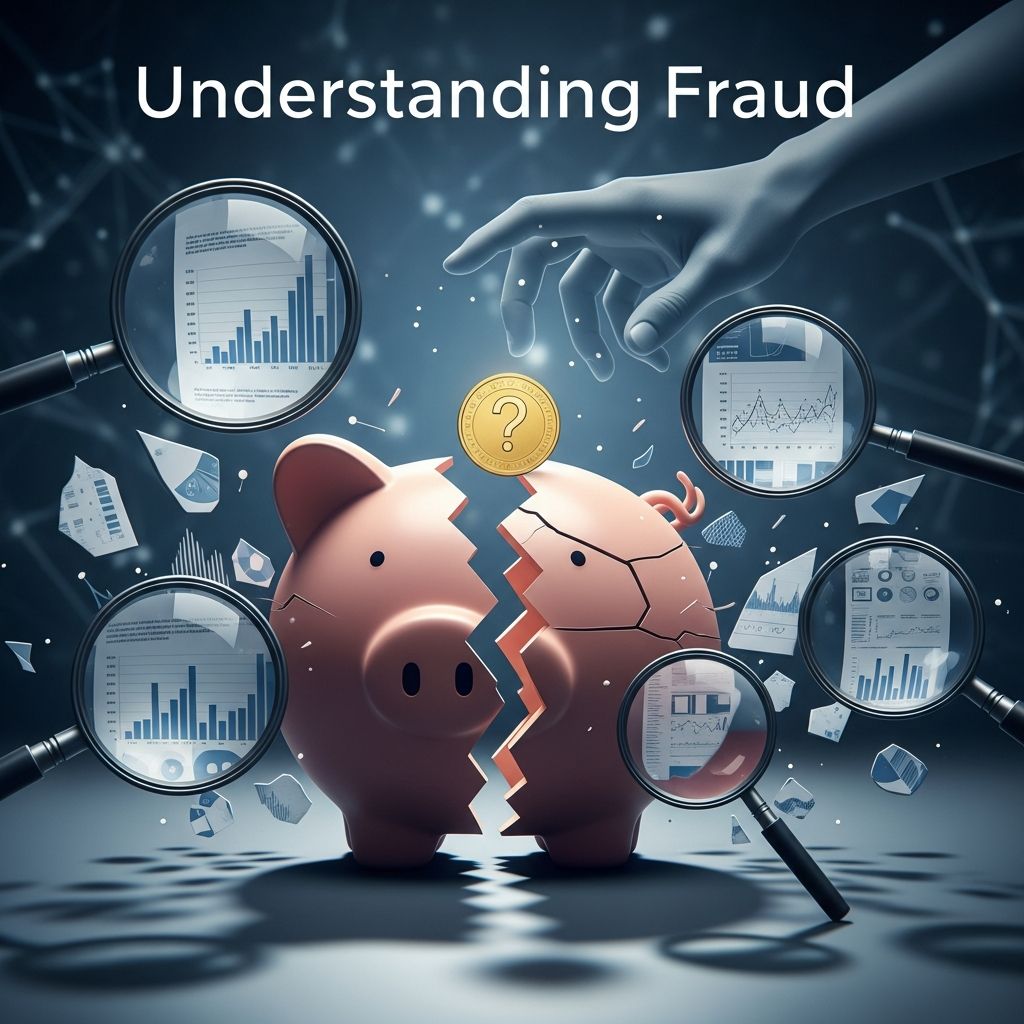
Fraud represents any intentional deception designed to secure unlawful financial gain or other advantages, often at the expense of unsuspecting victims. It spans a wide array of schemes that exploit trust, technology, and personal data, affecting millions annually across personal and business finances.
The Scope and Impact of Fraud Today
Fraud has evolved with digital advancements, becoming more sophisticated and pervasive. In the U.S. alone, credit card fraud reports surged by 13% in 2022, reaching over 440,000 cases, highlighting its growing threat. Globally, financial losses from these crimes run into billions, eroding consumer confidence and straining economic systems. Individuals face drained bank accounts, ruined credit scores, and emotional distress, while businesses grapple with chargebacks, operational disruptions, and regulatory penalties.
Key factors fueling this rise include widespread data breaches, the explosion of online transactions, and advanced tools like deepfakes. For instance, fraudsters recently used AI-generated voices to mimic executives, tricking employees into wiring $25 million. Understanding fraud’s breadth is crucial for mounting effective defenses.
Core Categories of Fraud Explained
Fraud manifests in diverse forms, each with unique tactics and targets. Below, we break down prevalent types, drawing from official insights and real-world patterns.
Identity Theft: Stealing Who You Are
Identity theft occurs when criminals unlawfully seize and misuse personal details like Social Security numbers, addresses, or account credentials to commit further crimes. Methods range from physical theft of wallets and mail rifling to exploiting massive data breaches where hackers plunder databases of sensitive records.
- Physical methods: Snatching purses or dumpster diving for discarded statements.
- Digital exploits: Phishing emails or malware that harvest login info.
- Consequences: Unauthorized loans, drained savings, or tarnished credit histories.
Victims often discover it months later through unexpected bills or credit denials, emphasizing the need for routine monitoring.
Credit and Debit Card Fraud: Unauthorized Spending
This involves illicit use of card details for purchases or cash withdrawals, split into card-present (in-person skimming at ATMs) and card-not-present (online CNP transactions). CNP fraud thrives on stolen data from hacked sites or public Wi-Fi, with fraudsters making bulk buys before detection.
| Type | Description | Common Vectors |
|---|---|---|
| Card-Present | Physical use via skimmers or shimmers on machines | ATMs, gas pumps, POS terminals |
| Card-Not-Present | Online or phone-based transactions | Phishing, data breaches, e-commerce hacks |
Banks deploy AI-driven alerts for odd patterns, but updating contact info ensures swift notifications.
Account Takeover: Hijacking Your Accounts
Fraudsters seize control of online accounts by stealing credentials through phishing or malware, then siphoning funds, opening new lines of credit, or rerouting benefits. Surveys indicate nearly 40% of people experienced this in recent years, underscoring its prevalence.
Peer-to-peer payment apps amplify risks, as takeovers enable instant transfers. Regulators now prioritize these platforms for enhanced safeguards.
Investment and Advance Fee Scams: Promises of Easy Money
These lure victims with high-return opportunities or windfalls like lottery wins, demanding upfront fees for ‘processing.’ Common guises include fake investments, inheritances, or rentals. Once paid, scammers vanish or demand more.
- Red flags: Unrealistic returns, urgency, poor grammar in messages.
- Channels: Email, social media, encrypted apps like WhatsApp.
Ponzi schemes and crypto cons exemplify this, preying on greed via impersonated advisors.
Business-Targeted Frauds: Invoice, Payroll, and Insurance Schemes
Companies face invoice fraud, where fake bills from spoofed vendors prompt erroneous payments, often via urgent social engineering. Payroll fraud diverts salaries, while insurance scams involve padded claims like staged accidents.
Return fraud plagues retail: falsified receipts, ‘bricking’ devices to swap for refunds, or reselling stolen goods.
How Fraudsters Operate: Tactics and Tools
Criminals blend old-school cons with cutting-edge tech. Phishing poses as banks or charities via email/SMS, tricking clicks to fake sites. Malware infects devices for data theft, ransomware locks files for crypto ransoms, and cryptojacking mines coins covertly.
Social engineering builds false rapport, as in ‘pigeon drop’ scams or charity switches during crises.
Prevention Strategies: Shielding Yourself and Assets
Proactive measures drastically cut risks. Start with vigilance: scrutinize statements, ignore unsolicited offers, and verify requests independently.
- Secure personal data: Use strong, unique passwords; enable multi-factor authentication (MFA).
- Monitor finances: Check credit reports weekly via official portals; set transaction alerts.
- Educate and train: Businesses should audit vendors, train staff on phishing.
- Leverage tech: Antivirus software, VPNs for public Wi-Fi, and fraud detection apps.
- Report promptly: Contact issuers/banks immediately for suspicious activity to limit liability.
For businesses, internal controls like segregated duties and AI monitoring prevent invoice/payroll abuses.
Responding to Fraud: Steps After Detection
Act fast: freeze accounts, notify police and credit bureaus, file identity theft reports. Dispute charges within time limits—federal law caps debit/credit liability if reported promptly. Professional recovery services can aid complex cases.
Long-term, rebuild via credit freezes and monitoring services.
Frequently Asked Questions (FAQs)
What should I do if I suspect fraud on my account?
Contact your bank or card issuer immediately, change passwords, and monitor all accounts closely.
How can I check if my identity has been stolen?
Review credit reports for unfamiliar activity and set fraud alerts with bureaus.
Is online shopping safe from fraud?
Yes, with precautions like secure sites (HTTPS), virtual cards, and avoiding public Wi-Fi.
What is synthetic identity fraud?
Combining real and fake data to create new identities for loans or accounts.
Who is most at risk for financial fraud?
Elderly, tech-novices, and frequent online users, but anyone can be targeted.
References
- 12 types of financial fraud — ComplyAdvantage. 2024-02. https://complyadvantage.com/insights/types-of-financial-fraud/
- 7 Common Types of Financial Fraud & How to Detect Them — Sanctions.io. 2023. https://www.sanctions.io/blog/7-common-types-of-financial-fraud-how-to-detect-them
- Common types of financial fraud explained — Alloy. 2023. https://www.alloy.com/guides/fraud-types-guide
- Consumer Fraud Awareness and Prevention – Types of Consumer Fraud — Office of the Comptroller of the Currency (OCC). 2024. https://www.occ.gov/topics/consumers-and-communities/consumer-protection/fraud-resources/types-of-consumer-fraud.html
- Types of Fraud — Investor.gov (SEC). 2024. https://www.investor.gov/protect-your-investments/fraud/types-fraud
Similar Articles








Read full bio of medha deb